
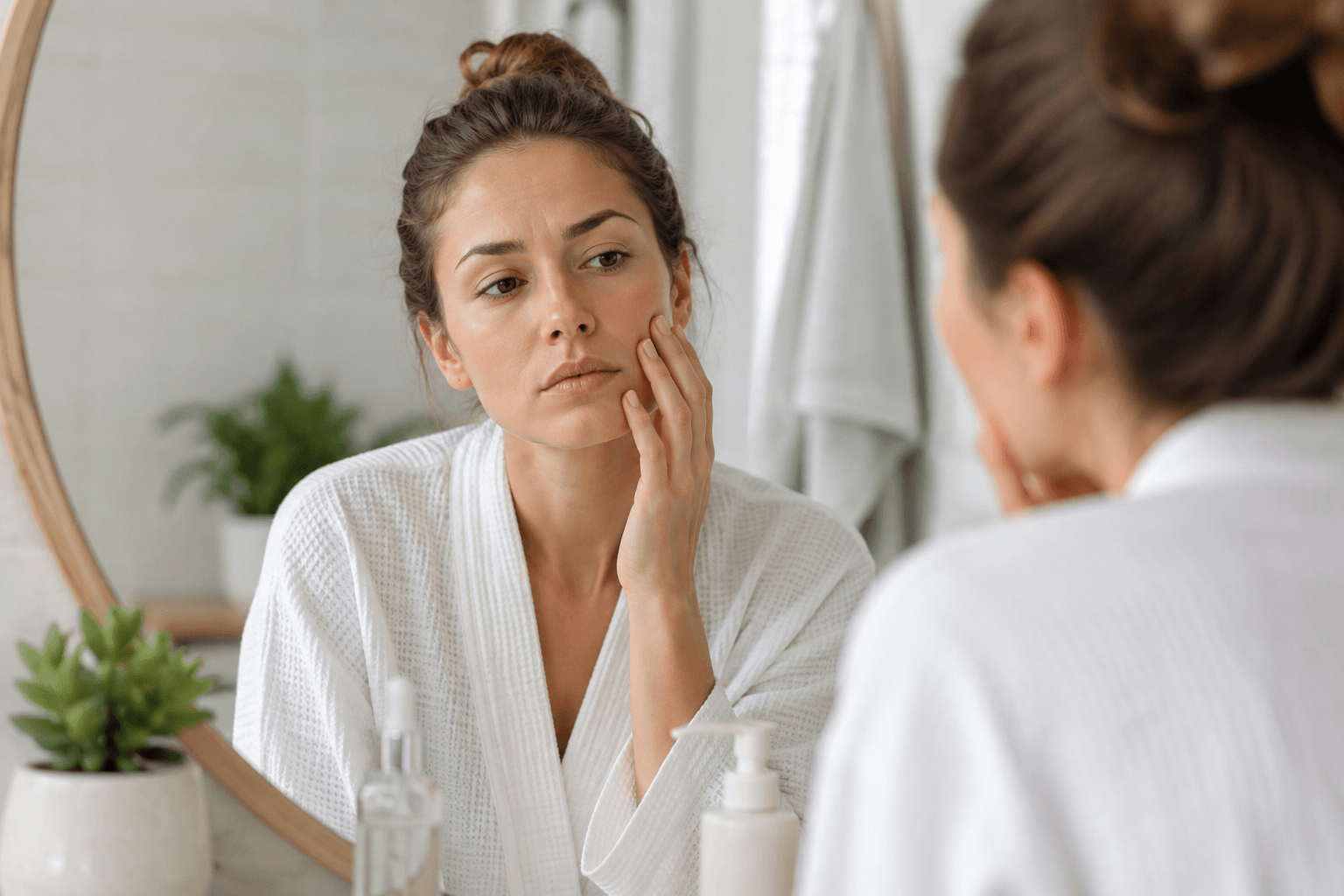
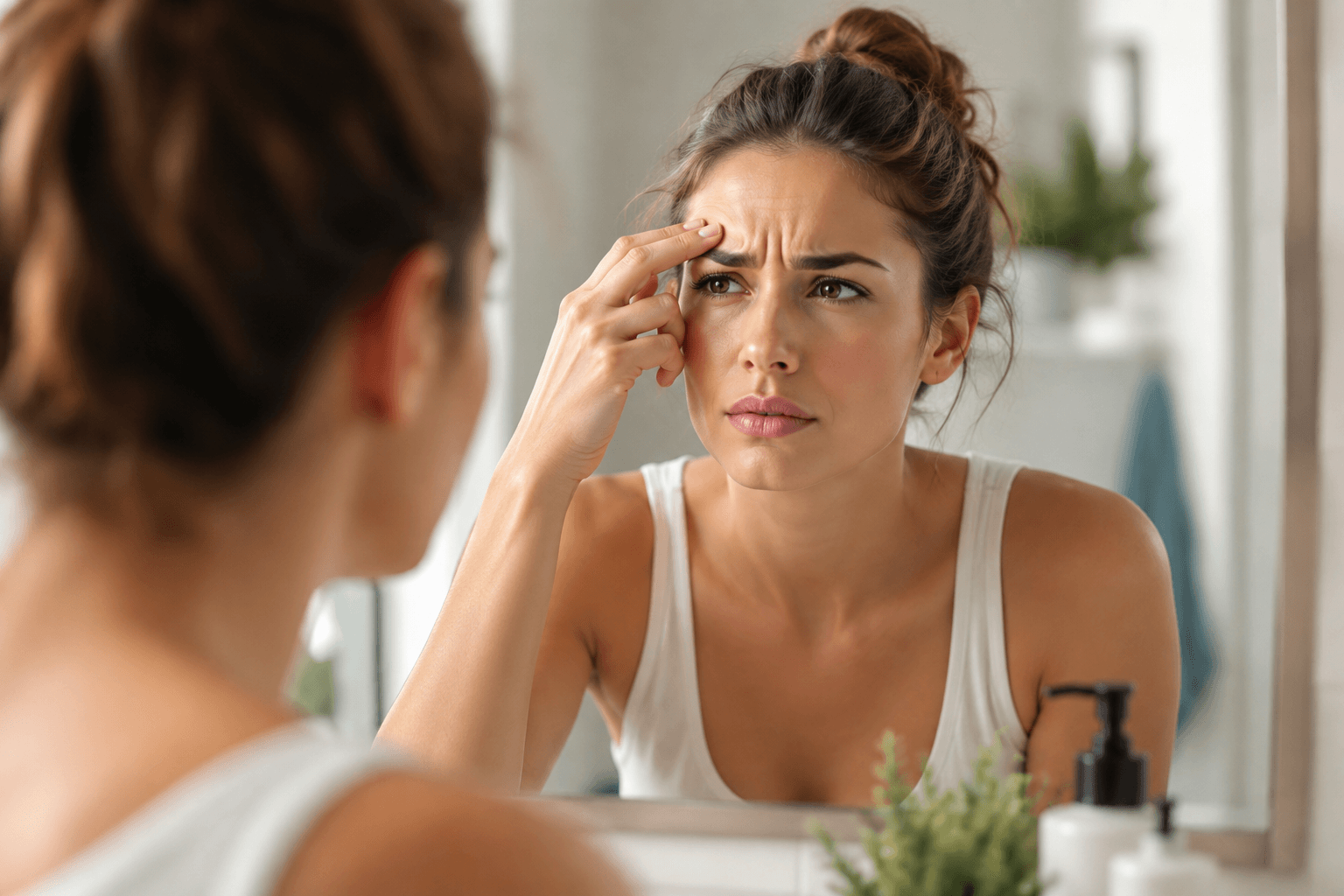
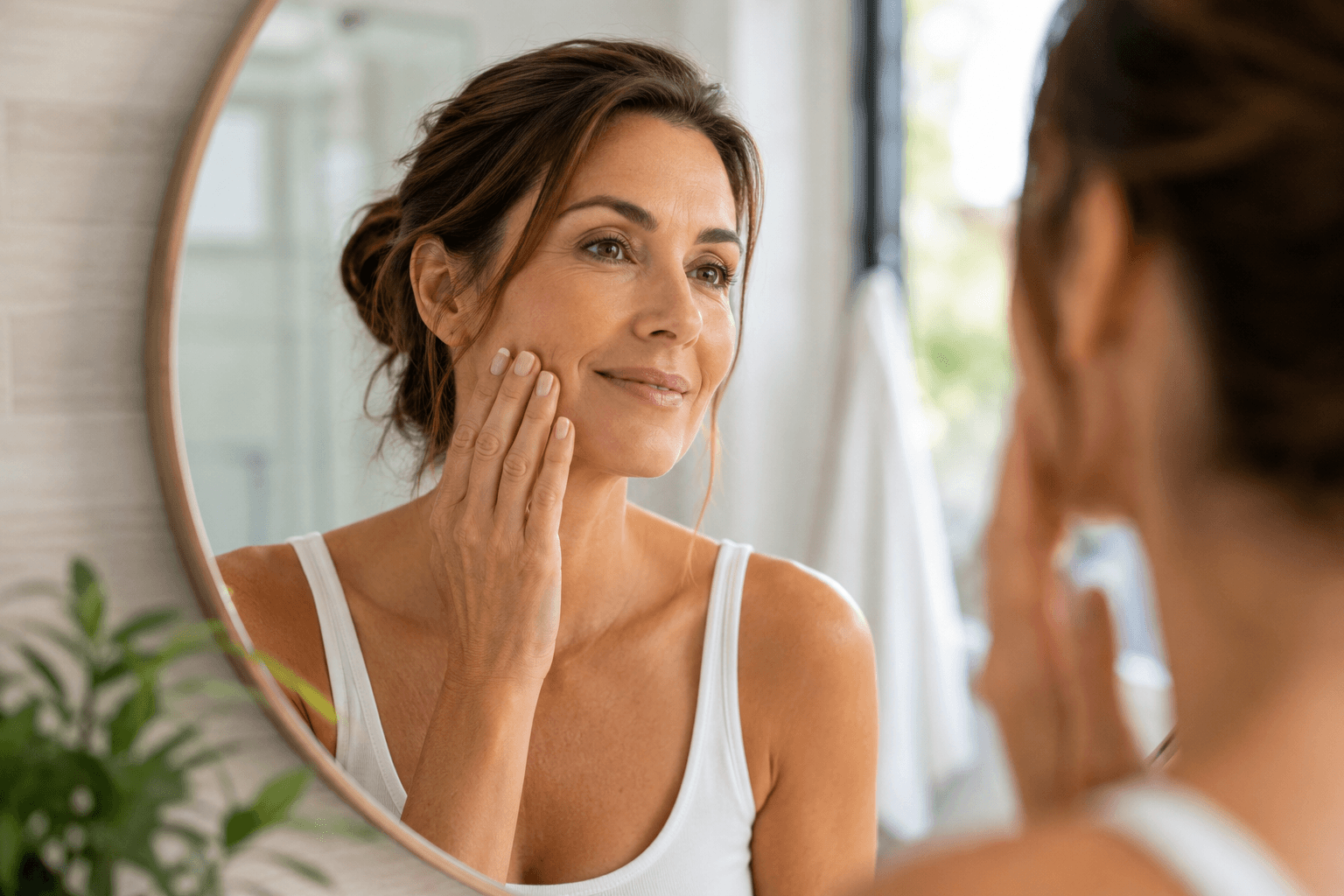
If you have caught yourself studying the lines around your eyes or the crease between your brows in the mirror lately, you are not alone. Wrinkles are one of the most talked about, and most misunderstood, parts of aging skin. Some people notice them in their late twenties, others not until their forties, and the reasons behind that timeline have as much to do with biology as they do with sun exposure and daily habits.
At Ageless Skin and Beauty in McMurray, Pennsylvania, we talk to people every week who want to understand their skin before they commit to any kind of wrinkle treatment. That is the right instinct. Knowing why a wrinkle formed in the first place makes it much easier to choose a treatment that actually addresses it, instead of guessing your way through skincare aisles or chasing trends that were never meant for your skin type. This guide walks through the real causes of wrinkles, the difference between the types you are likely dealing with, and the treatment options available right here in McMurray and neighboring Canonsburg. (Updated September 2026)
Wrinkles are not just a sign of getting older. They are the visible result of several things happening underneath the skin at the same time.
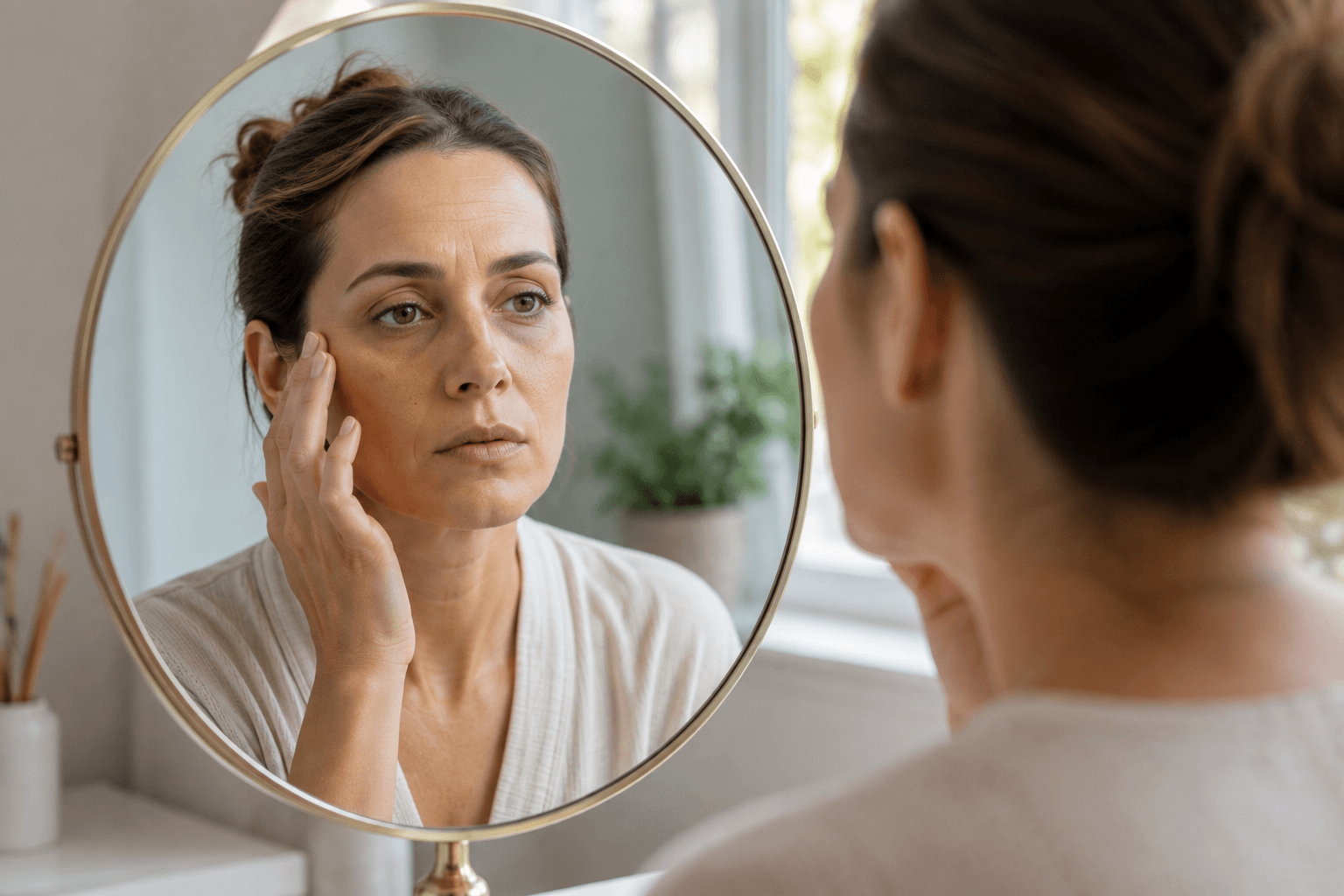
Yes, and it is the biggest factor. Collagen and elastin are the proteins that keep skin firm and springy. Production naturally slows starting in your mid twenties, and by your forties, skin has lost a meaningful percentage of the collagen it had in your twenties. As that support structure thins, skin folds more easily and those folds start sticking around even when your face is at rest.
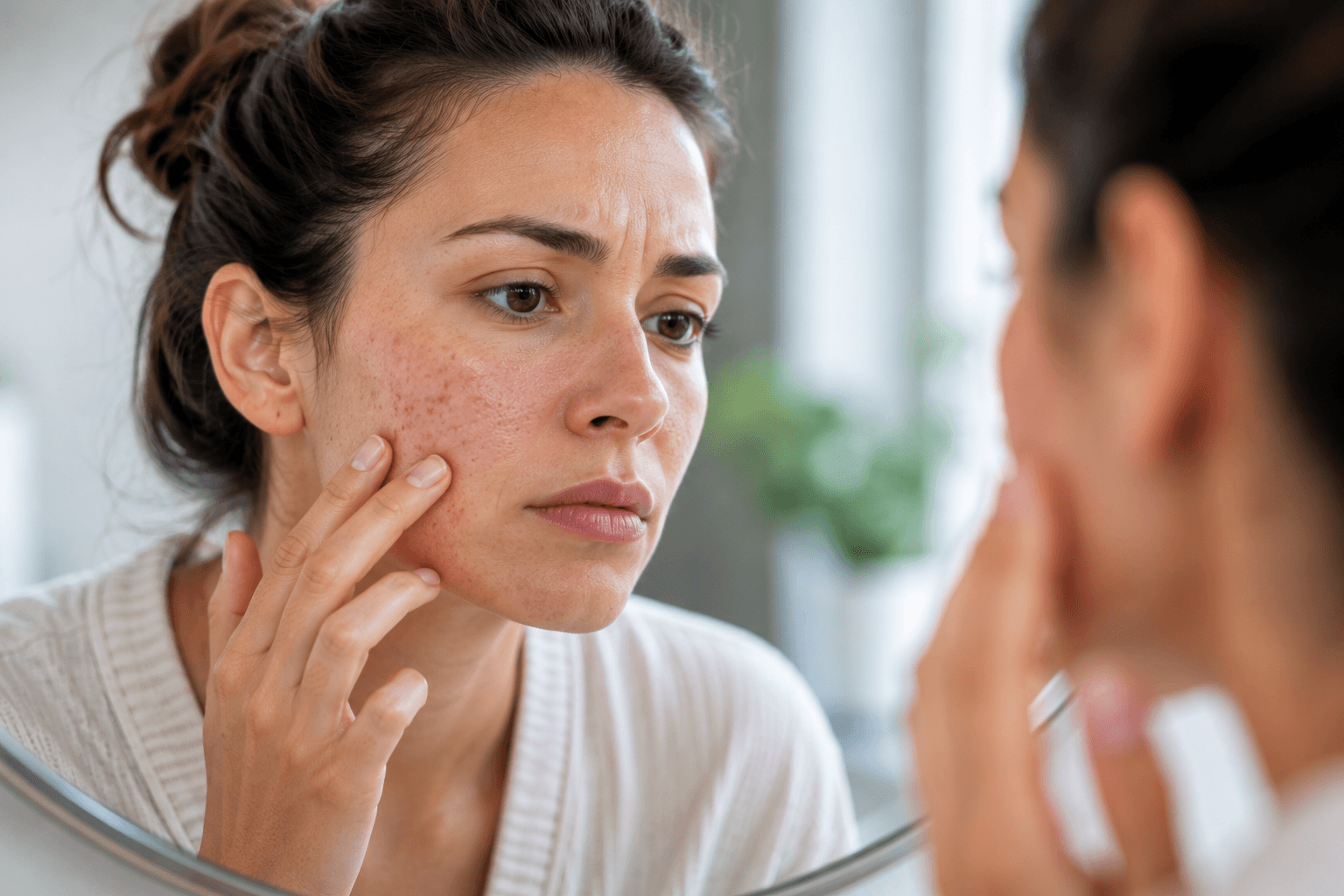
Ultraviolet light breaks down collagen fibers and damages the DNA inside skin cells responsible for repair and renewal. Dermatologists often refer to this as photoaging, and it is considered responsible for a large share of the visible aging most people experience, far more than the natural aging process alone. This is why sunscreen is the single most effective wrinkle prevention tool that exists, and it costs a fraction of any in office treatment.
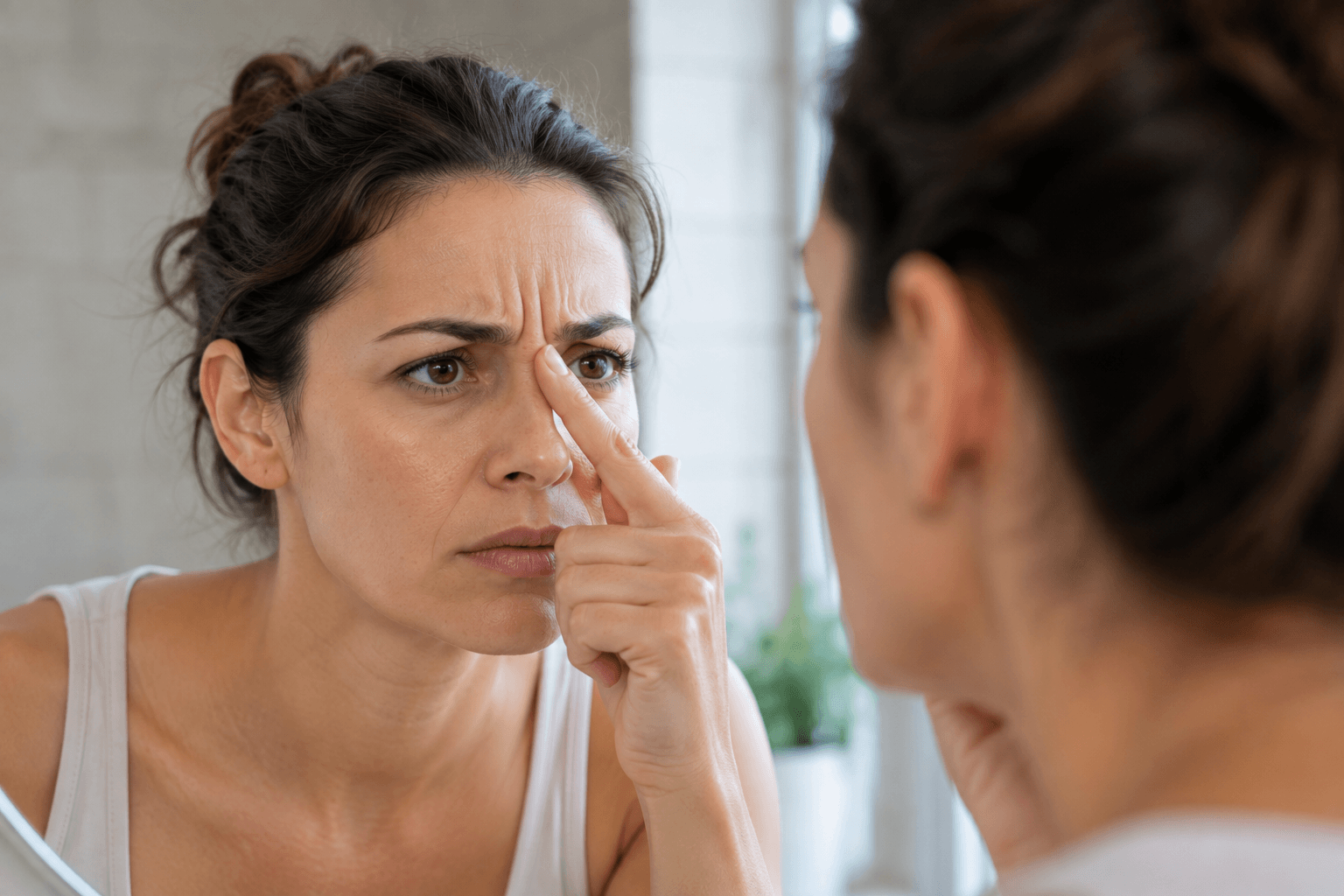
Every time you squint, frown, smile, or raise your eyebrows, the muscles underneath your skin contract. Repeat that movement thousands of times over years and the skin above those muscles begins to crease along the same lines, even when your face relaxes. This is why lines between the brows, at the corners of the eyes, and across the forehead tend to appear before wrinkles elsewhere.
Smoking, dehydration, poor sleep, high sugar intake, and chronic stress have all been linked to accelerated skin aging. Smoking in particular restricts blood flow to the skin and depletes vitamin C, which the body needs to produce collagen.
Understanding this distinction matters because it determines which treatment will actually work.
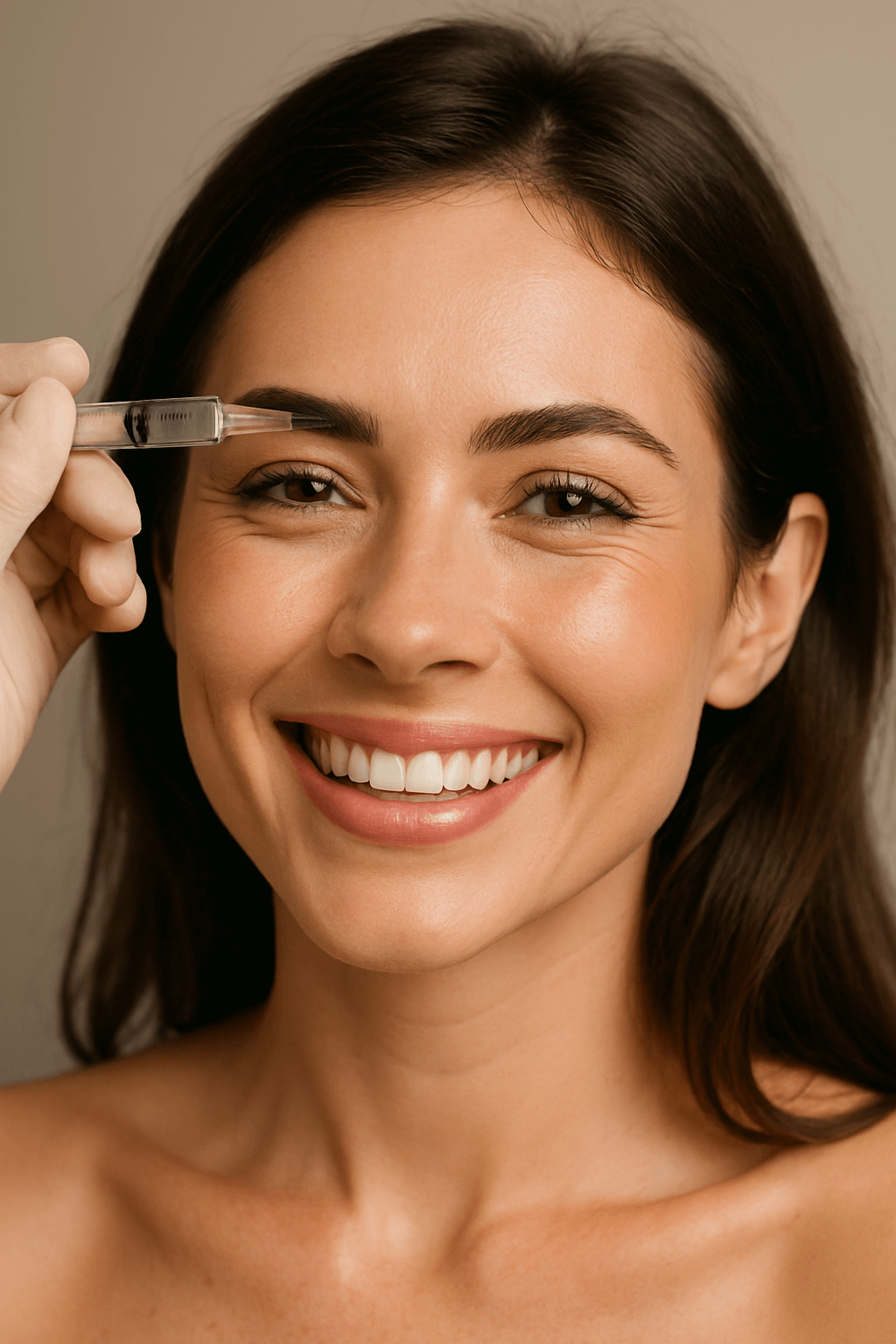
Dynamic wrinkles only appear when you move your face. Think of the lines that show up when you smile or raise your eyebrows but disappear once your expression relaxes. These respond extremely well to neuromodulators, which temporarily relax the targeted muscle so it stops creasing the skin above it.
Static wrinkles are visible all the time, even with a completely relaxed face. These typically form after years of repeated dynamic movement combined with volume loss, and they usually need a treatment that adds structure and hydration back into the skin rather than just relaxing muscle activity.
Most people over thirty five have a combination of both, which is exactly why a personalized consultation matters more than picking a treatment off a menu.
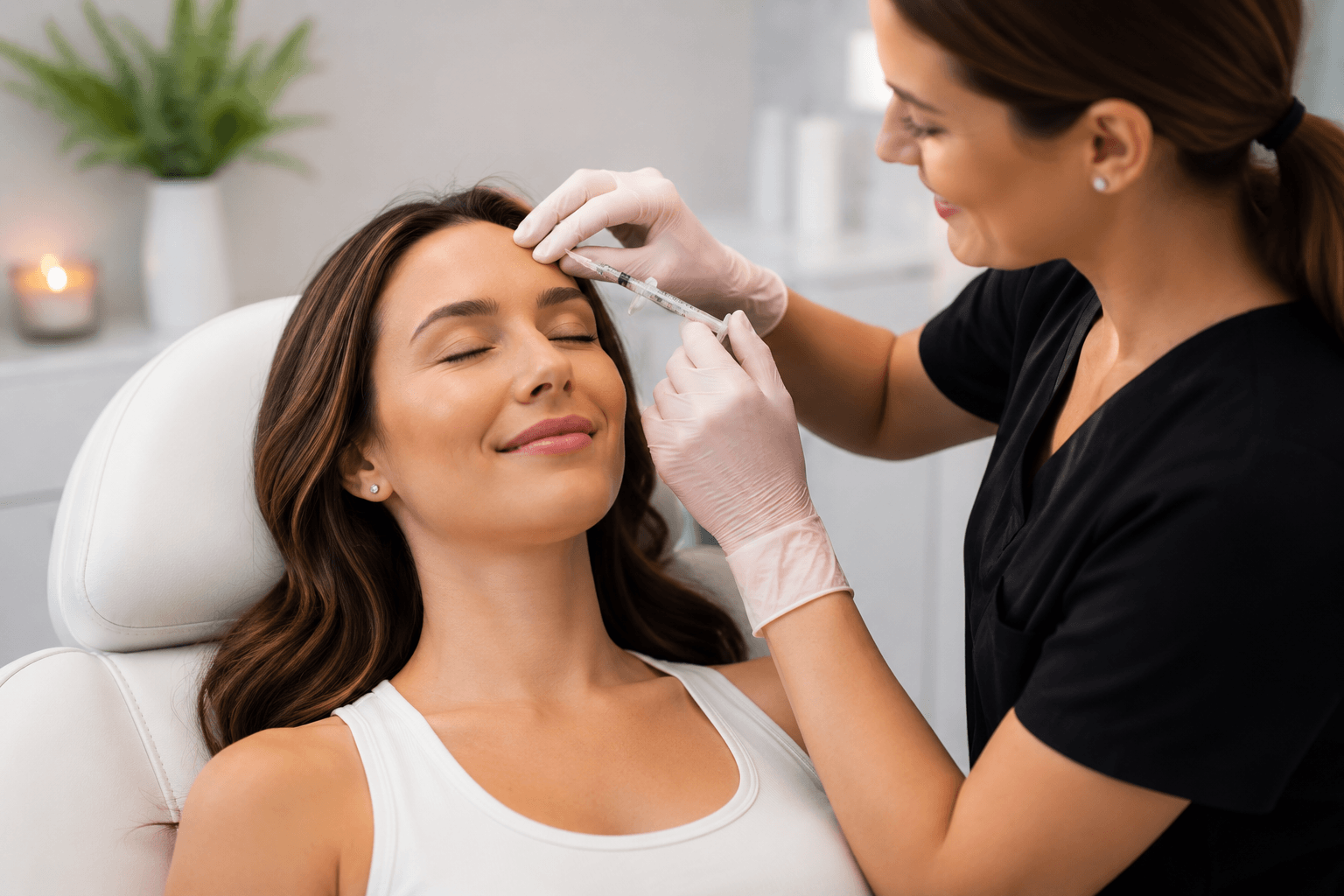
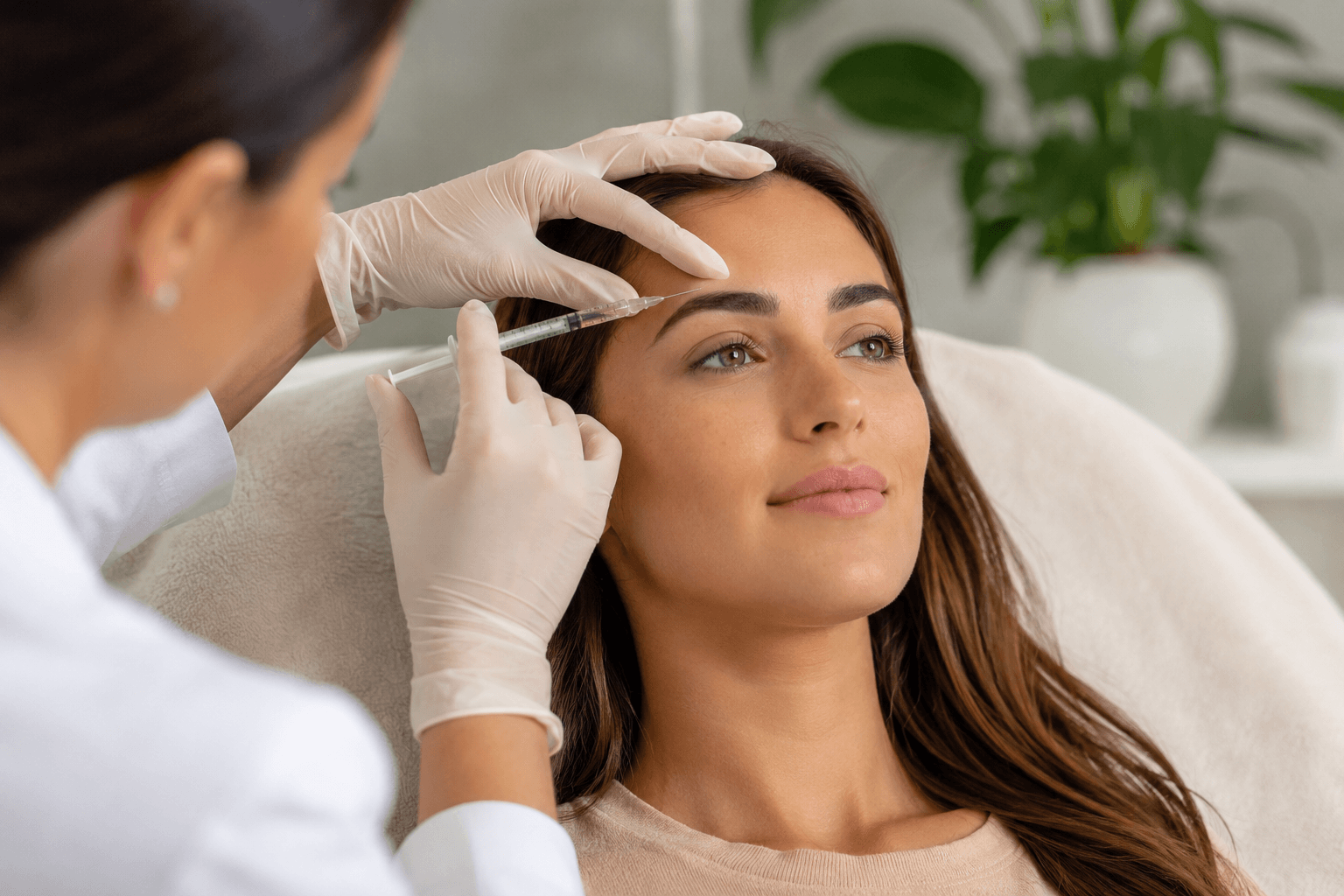
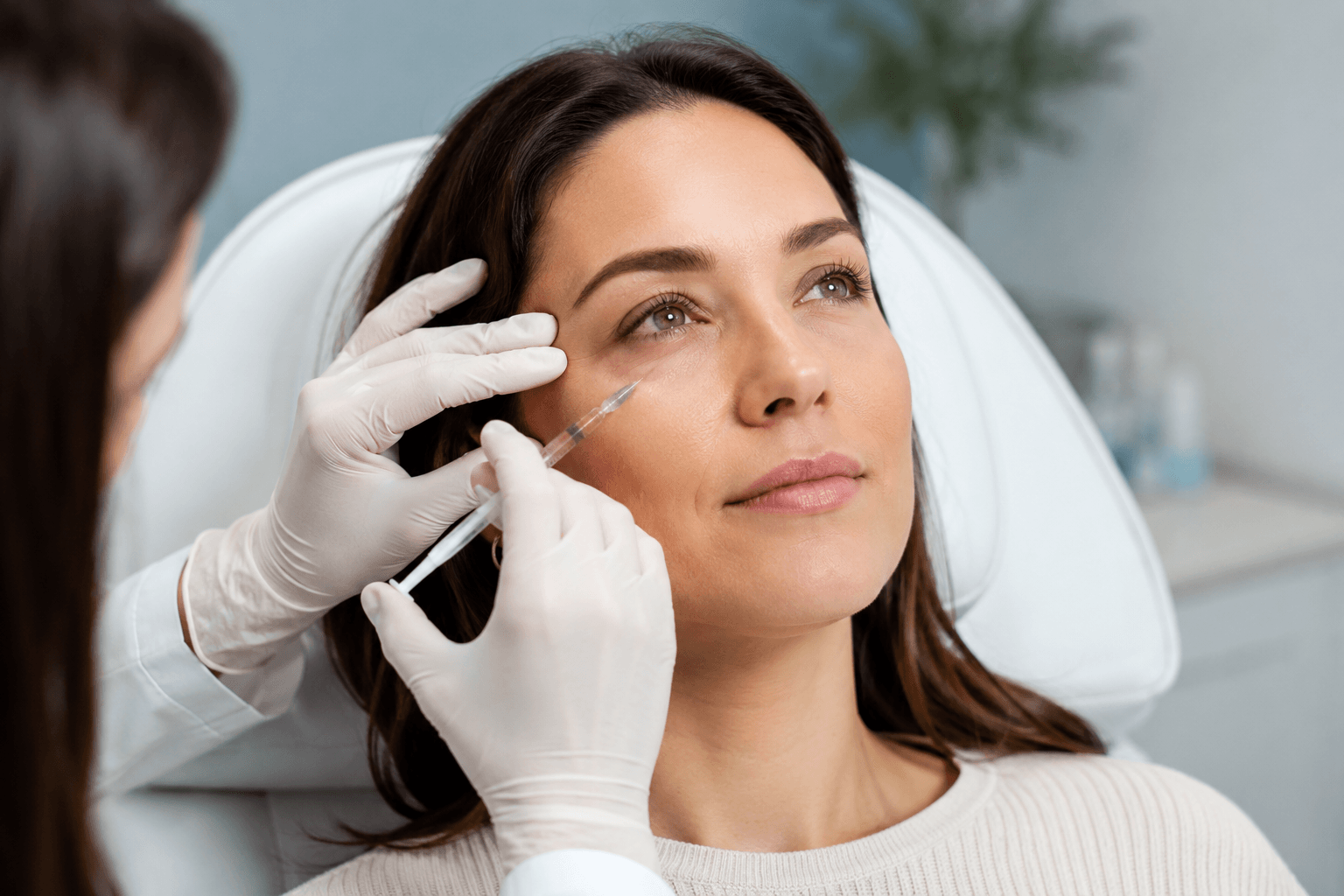
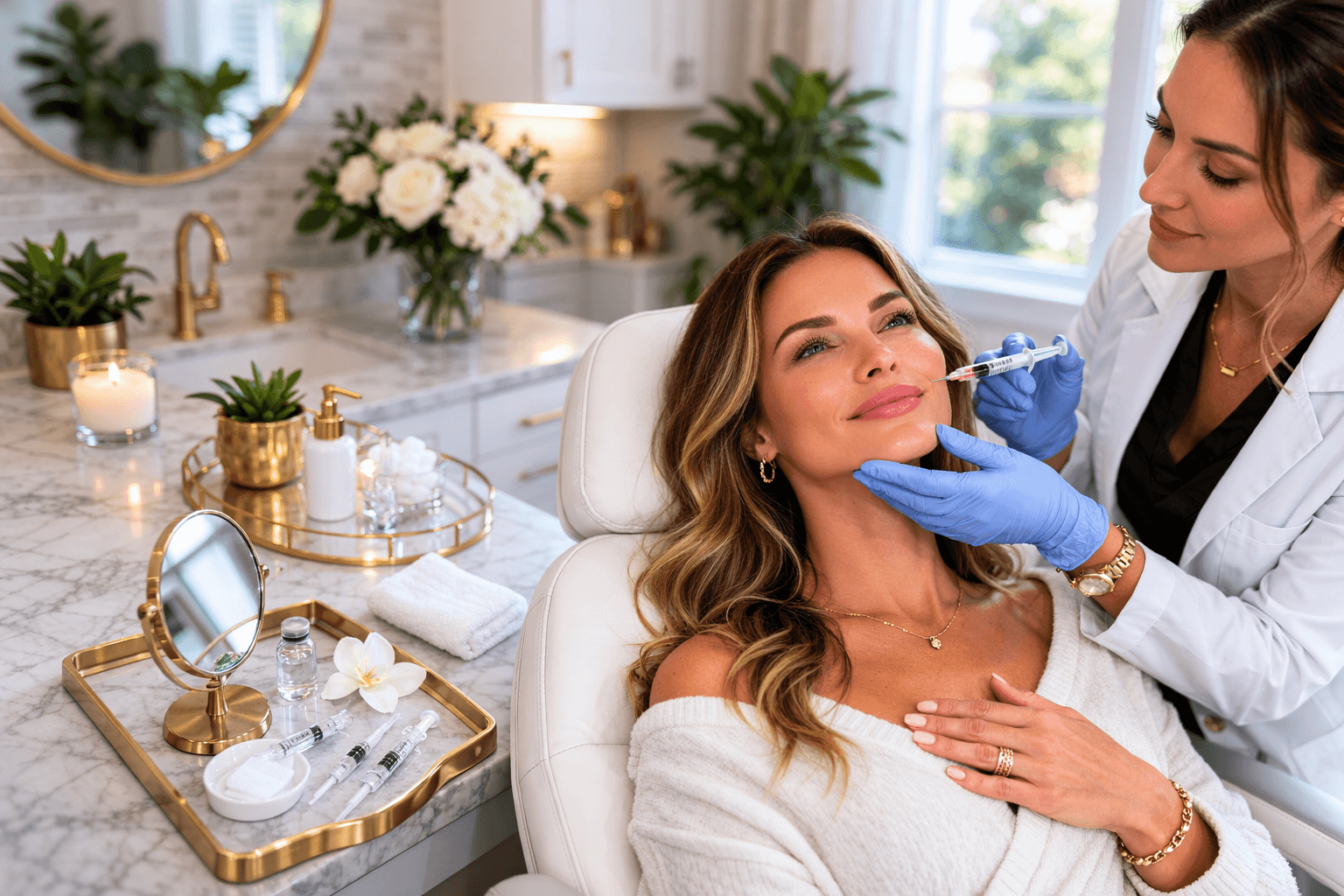
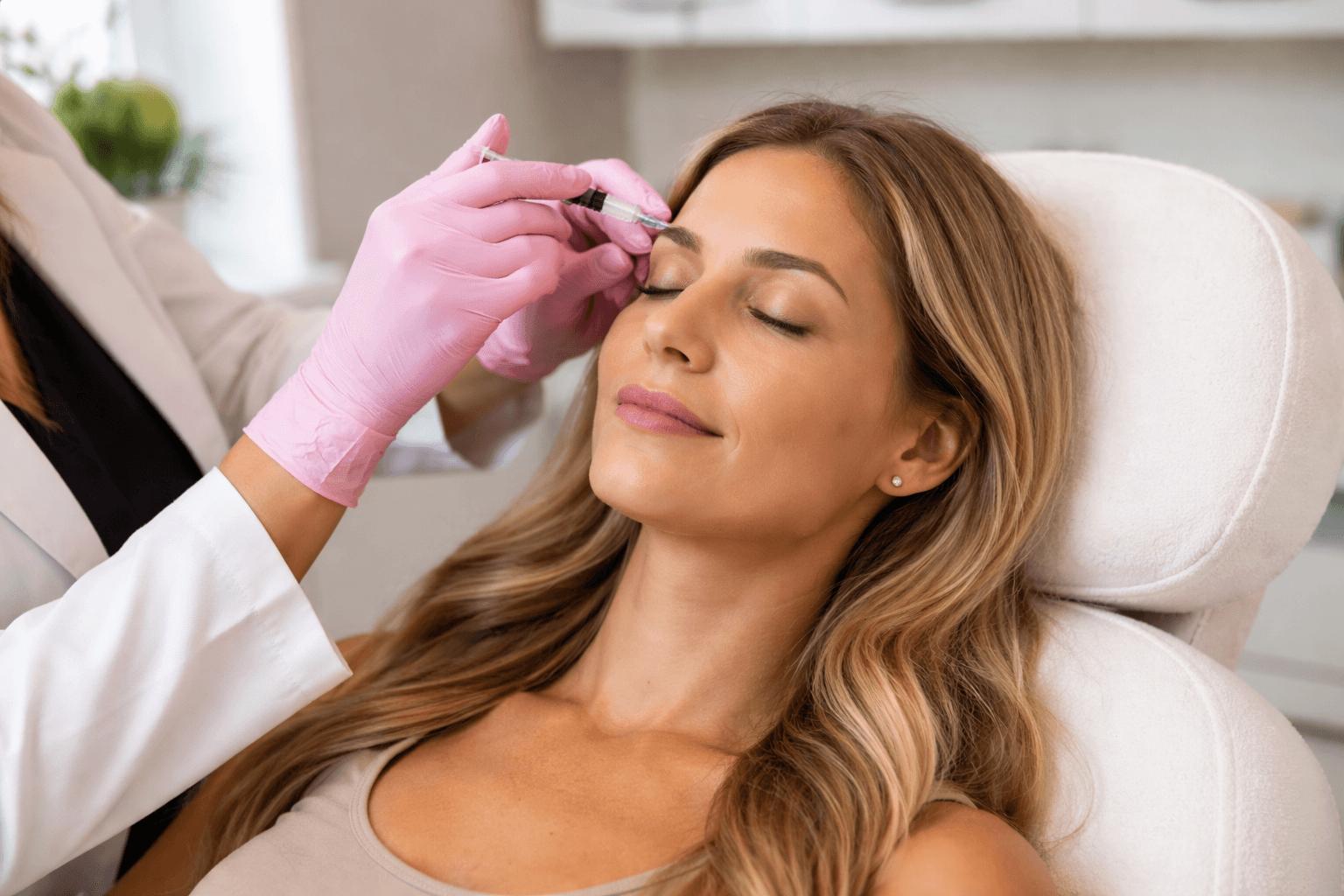
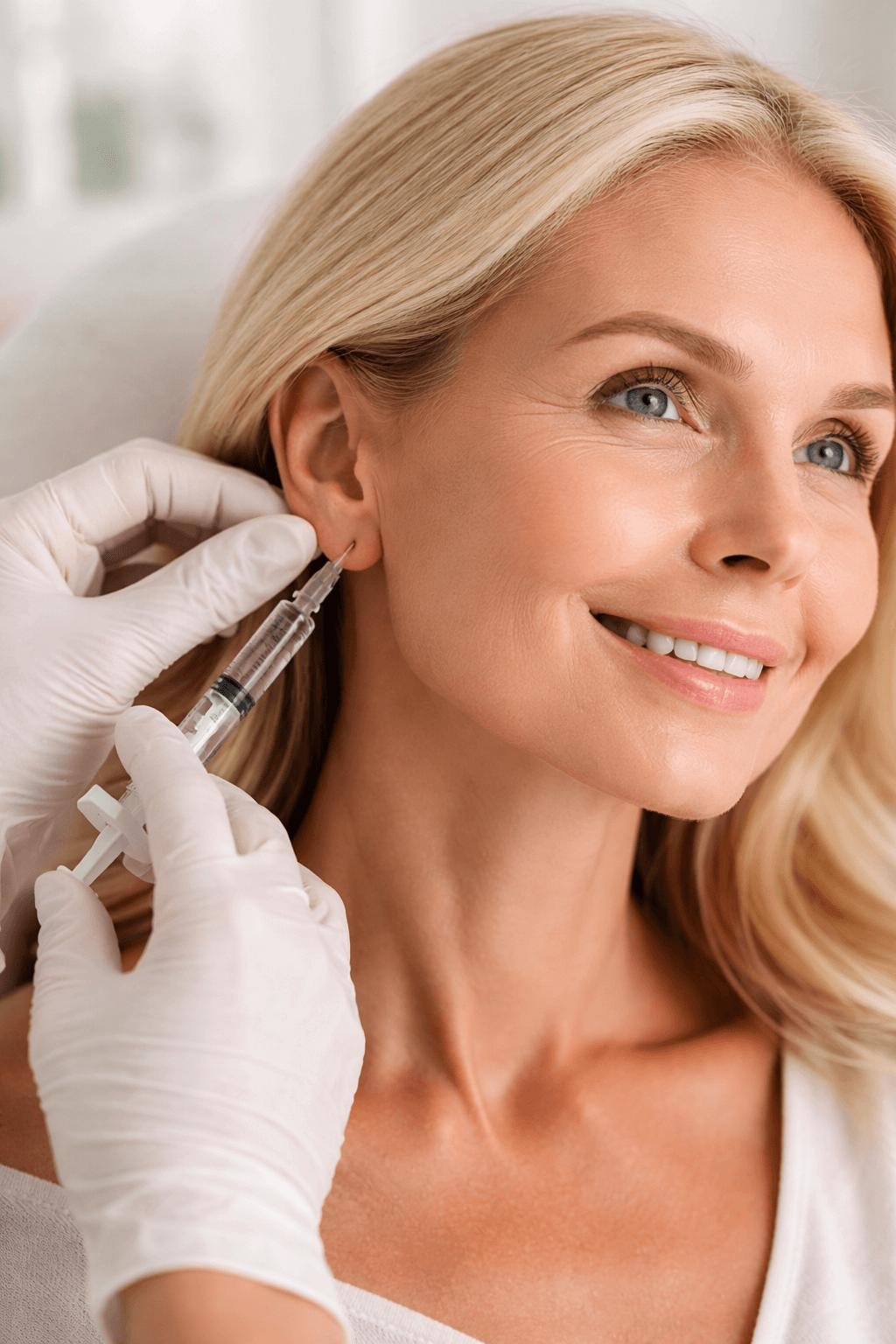
Botox and Dysport are both neuromodulators that work by temporarily blocking the nerve signals that tell specific facial muscles to contract. Once those muscles relax, the skin above them smooths out within days. These are especially effective for forehead lines, frown lines between the brows, and crow's feet around the eyes. Results typically show up within three to seven days and last three to four months, which is why most patients return for maintenance appointments a few times a year. You can read more about how these treatments compare on our Botox and Dysport service page.
Daxxify is a newer neuromodulator that some patients prefer because it is formulated to last longer than traditional options, often stretching results out toward the six month mark for some patients. It works on the same principle of relaxing overactive muscles, but the extended duration means fewer appointments per year for people who want less frequent upkeep. Details are available on our Daxxify service page.
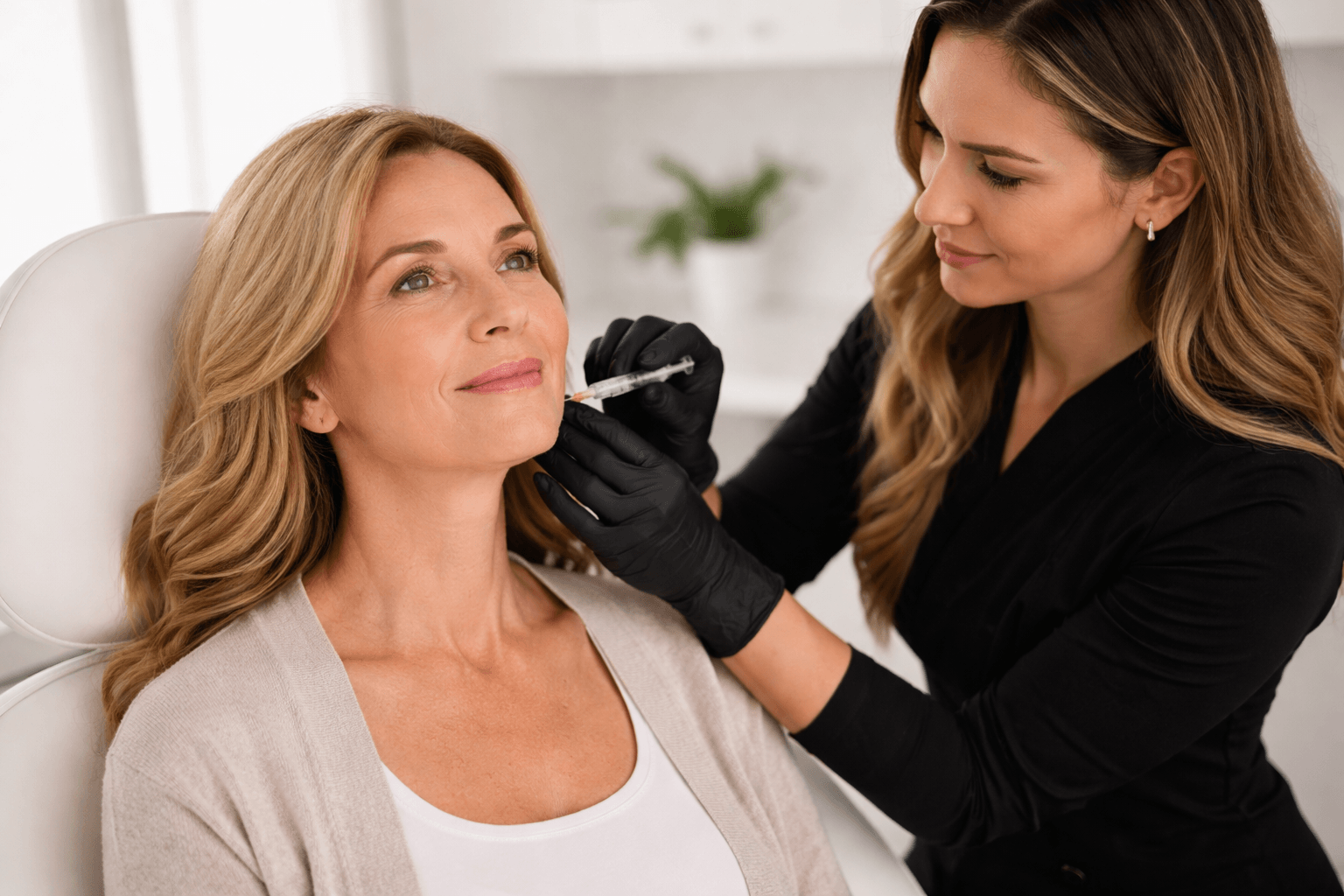
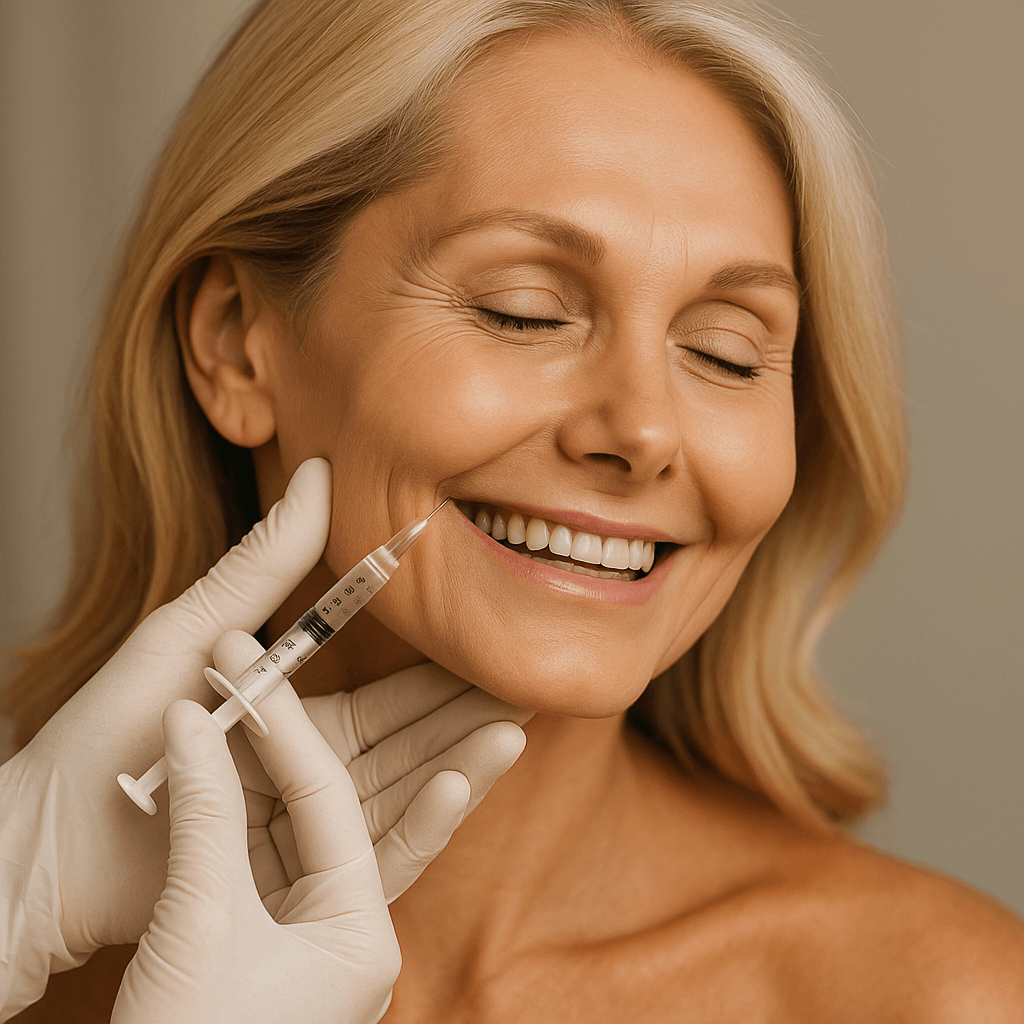
While neuromodulators address movement related lines, dermal filler targets the volume loss that causes static wrinkles and hollowed areas, particularly around the nasolabial folds, marionette lines, and cheeks. Filler adds structure back to the skin, which softens the appearance of creases that neuromodulators cannot reach on their own. Many patients in the South Hills area combine both approaches for a fuller result. You can explore filler options on our dermal filler service page.
Sculptra works differently than traditional filler. Instead of adding immediate volume, it stimulates your own body to gradually rebuild collagen over the following months. This makes it a strong option for people dealing with more widespread static wrinkles and thinning skin who want a gradual, natural looking improvement rather than an immediate change. Learn more on our Sculptra service page.
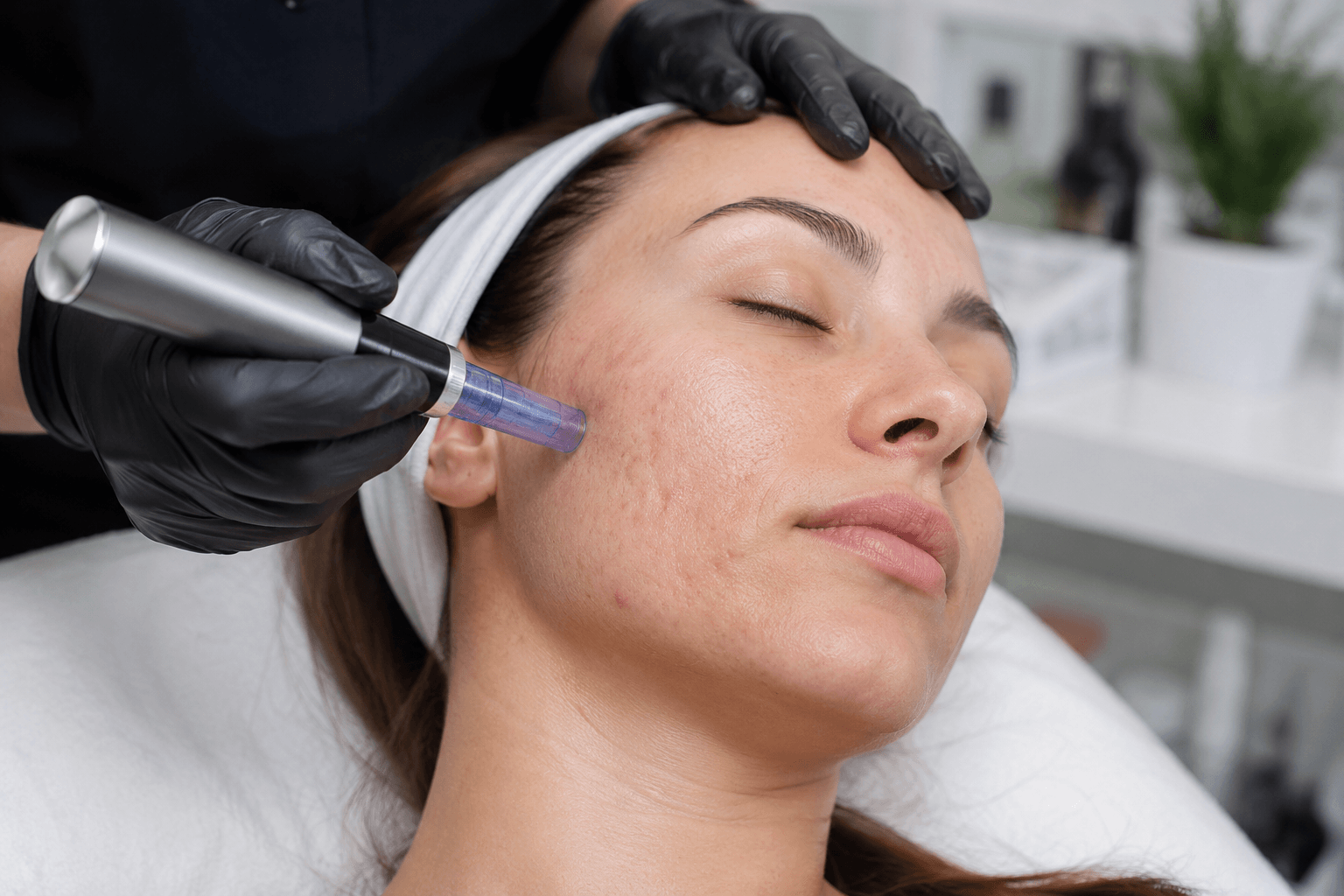
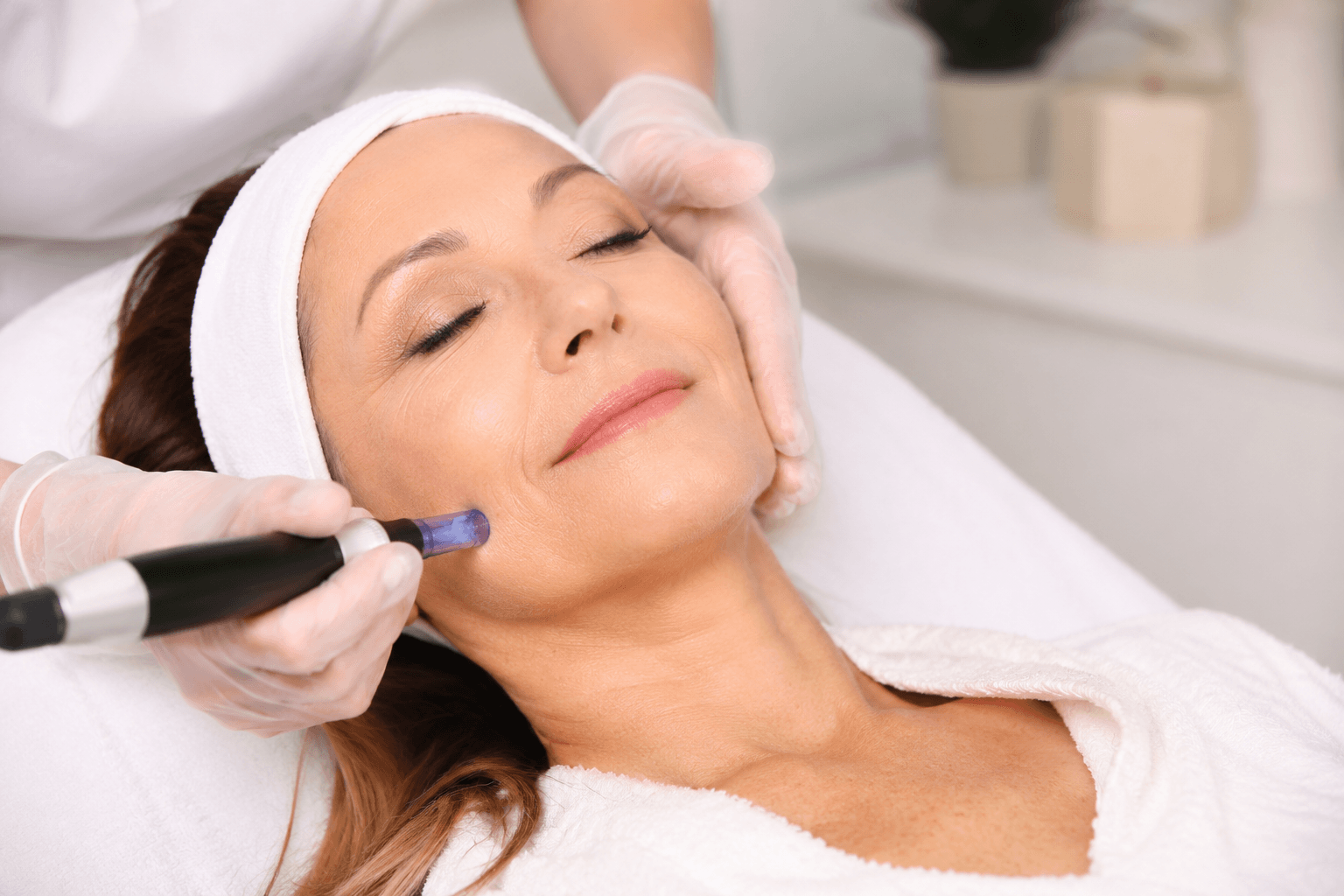
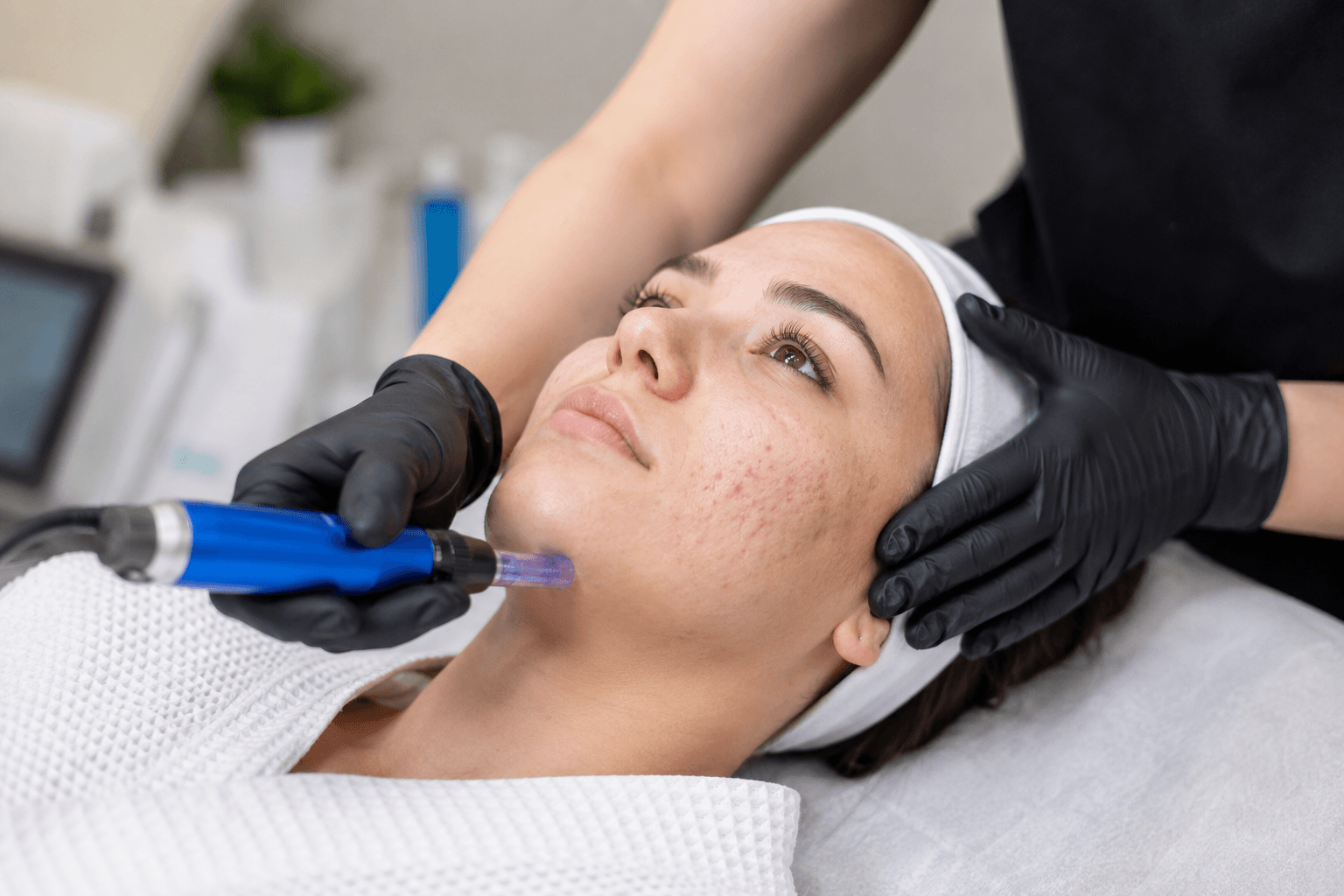
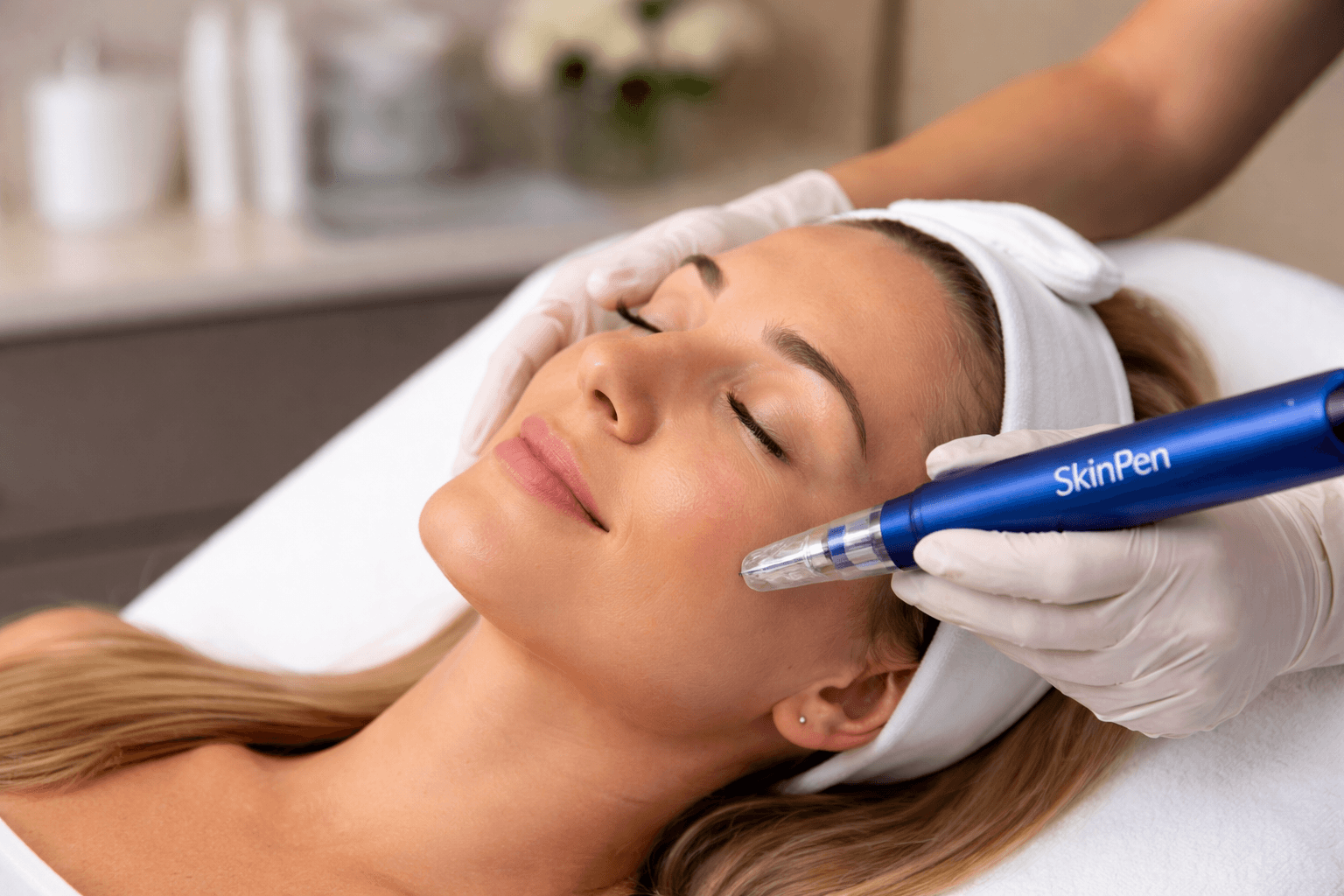
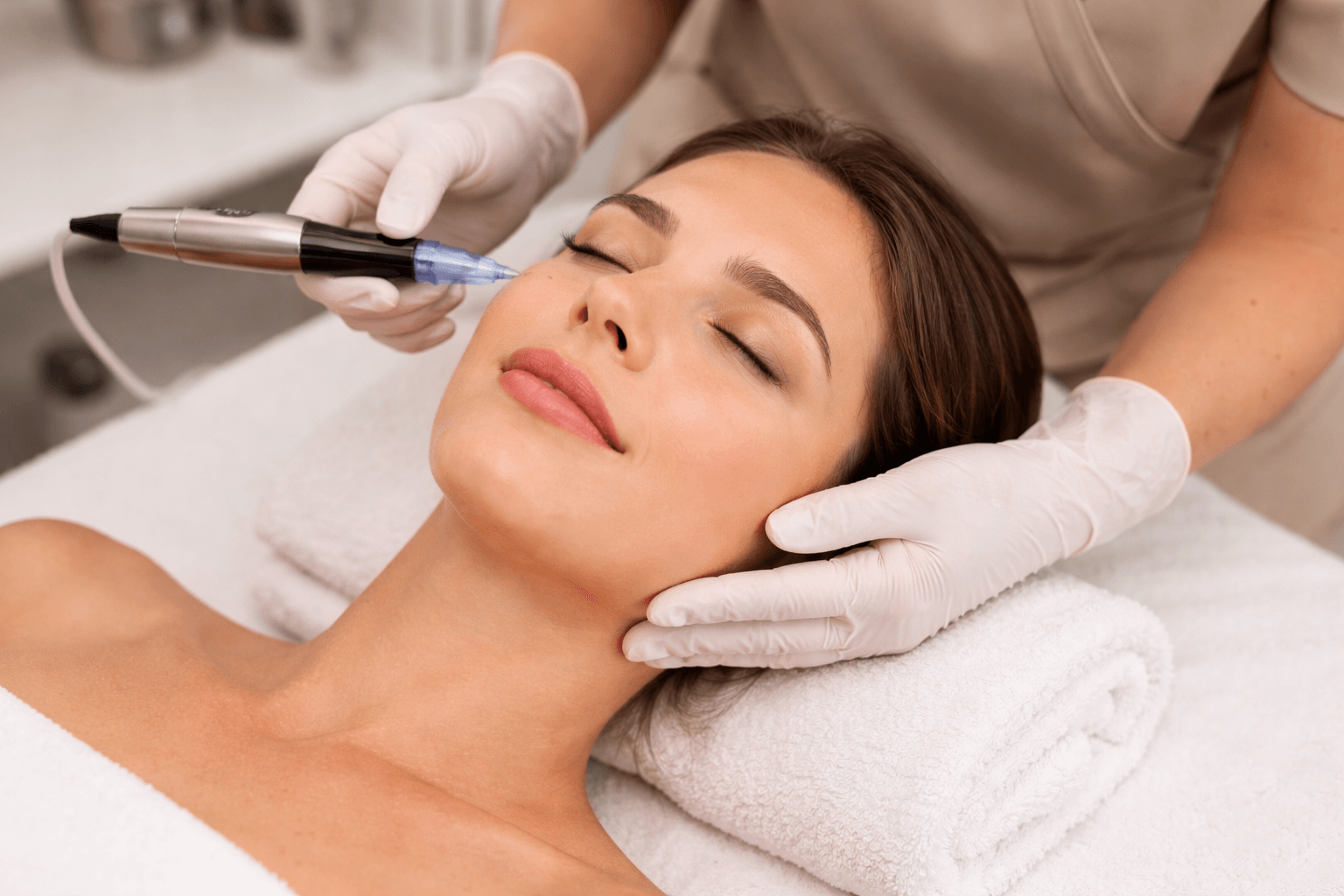
Absolutely, and this is often the piece people overlook. Treatments like microneedling with SkinPen or RF microneedling support the same collagen rebuilding process that injectables encourage, while a consistent skincare routine with the right actives helps maintain results between appointments. Our ZO Skin Health line was built with exactly this kind of long term skin support in mind.
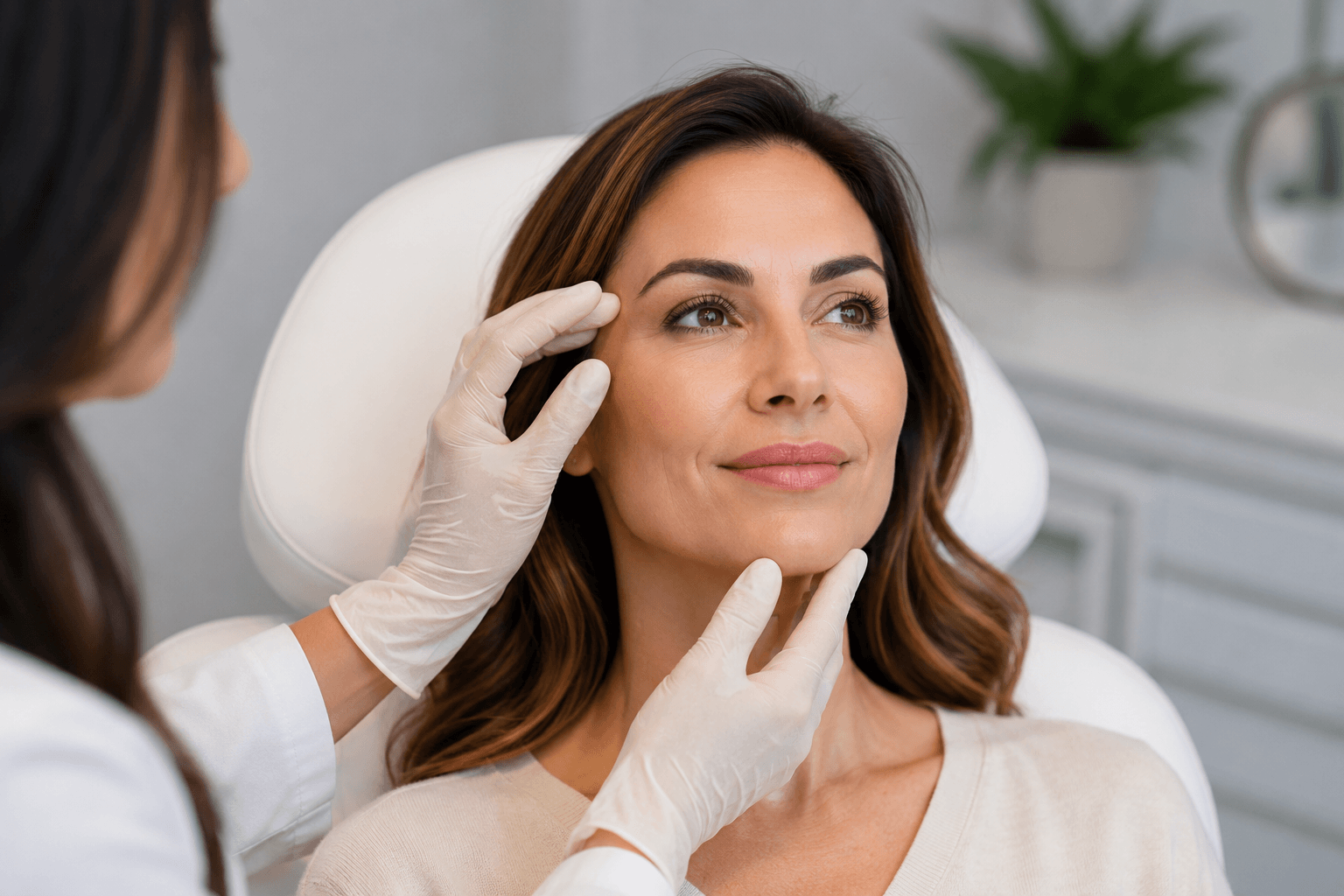
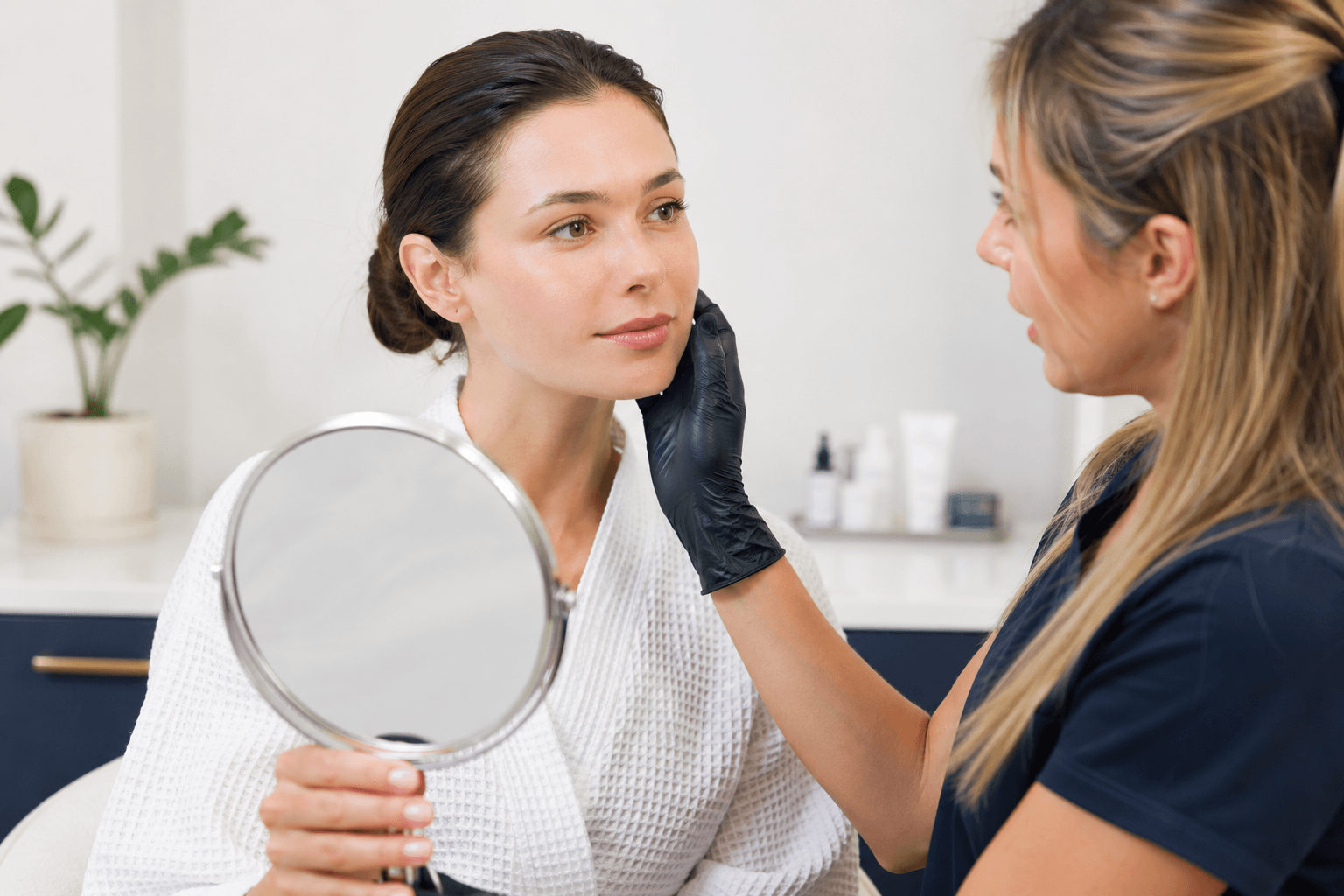
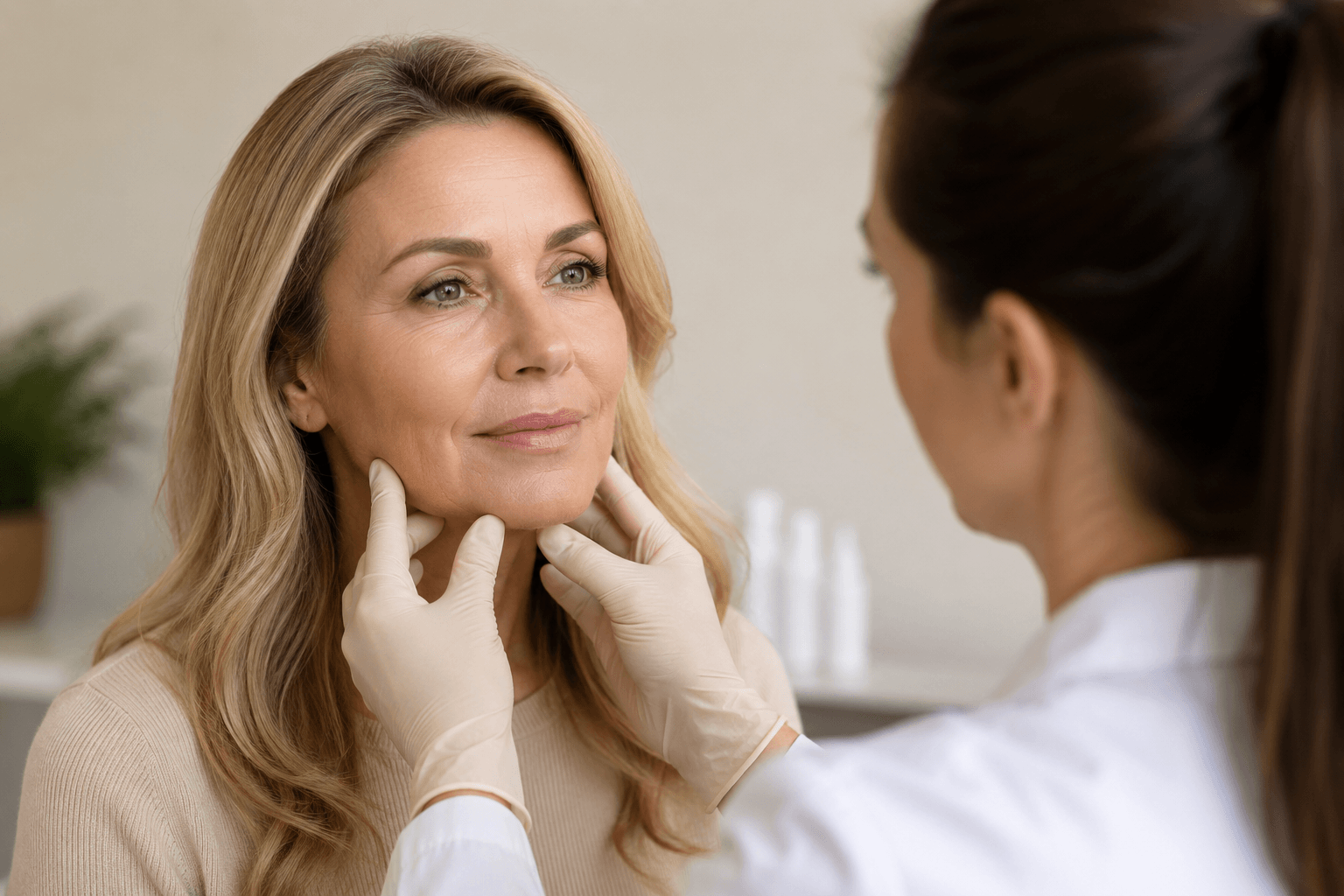
Most healthy adults who are bothered by visible lines are candidates for some form of wrinkle treatment, but the right approach depends on which type of wrinkle you have, your skin's elasticity, and your goals. People who are pregnant, breastfeeding, or managing certain neuromuscular conditions are generally advised to wait or choose alternative options, which is why an in person consultation is always the first step before scheduling anything.
One of the appeals of modern wrinkle treatments is how little downtime they require. Neuromodulator appointments typically take fifteen to thirty minutes with no recovery time needed, though mild redness or small bumps at injection sites can appear briefly. Filler and Sculptra may cause slightly more swelling or bruising for a few days, but most patients return to normal activities the same day.
Choosing where to go for a wrinkle treatment is as important as choosing which treatment to get. Injectors who understand facial anatomy and have handled a wide range of skin types and aging patterns are far more likely to deliver a result that still looks like you, just rested. Patients throughout McMurray and Canonsburg have been coming to Ageless Skin and Beauty for exactly that kind of personalized approach, whether the goal is a subtle refresh or a more noticeable transformation.
Wrinkles are not a flaw to fix, they are simply a part of how skin ages, and the good news is you get to decide how much of that story you want written on your face. Whether that means softening a stubborn frown line, restoring volume that time has quietly taken, or simply understanding your options before you commit to anything, the right plan starts with knowing your skin. If you are ready to talk through what would actually work for you, our team at Ageless Skin and Beauty is just a short drive from McMurray and Canonsburg and happy to walk you through it. You can get in touch here or browse our full list of services to see what fits.
What is the best wrinkle treatment for someone in their thirties? For most people in their thirties, dynamic wrinkles caused by expression are the main concern, which makes neuromodulators like Botox or Dysport a common starting point before deeper static lines develop.
How long does a wrinkle treatment typically last? Neuromodulator treatments generally last three to four months, Daxxify can last longer for some patients, and Sculptra results build gradually and can last up to two years as collagen rebuilds.
Does wrinkle treatment hurt? Most patients describe the sensation as a quick pinch. A topical numbing option is often available for those who are more sensitive to needles.
Can wrinkle treatment be combined with other skin services? Yes, many patients pair injectables with microneedling, facials, or a ZO Skin Health regimen to support skin quality between appointments.
How soon will I see results from a wrinkle treatment? Neuromodulators typically show visible improvement within three to seven days, while filler results are immediate and Sculptra improvement develops gradually over several months.

Start your skincare journey with $50 off your first visit when you spend $200 or more. From glowing facials to advanced laser treatments, our team is here to help you look and feel your best.
.png)
.png)












.png)
.png)











.png)



.png)



.jpg)


