
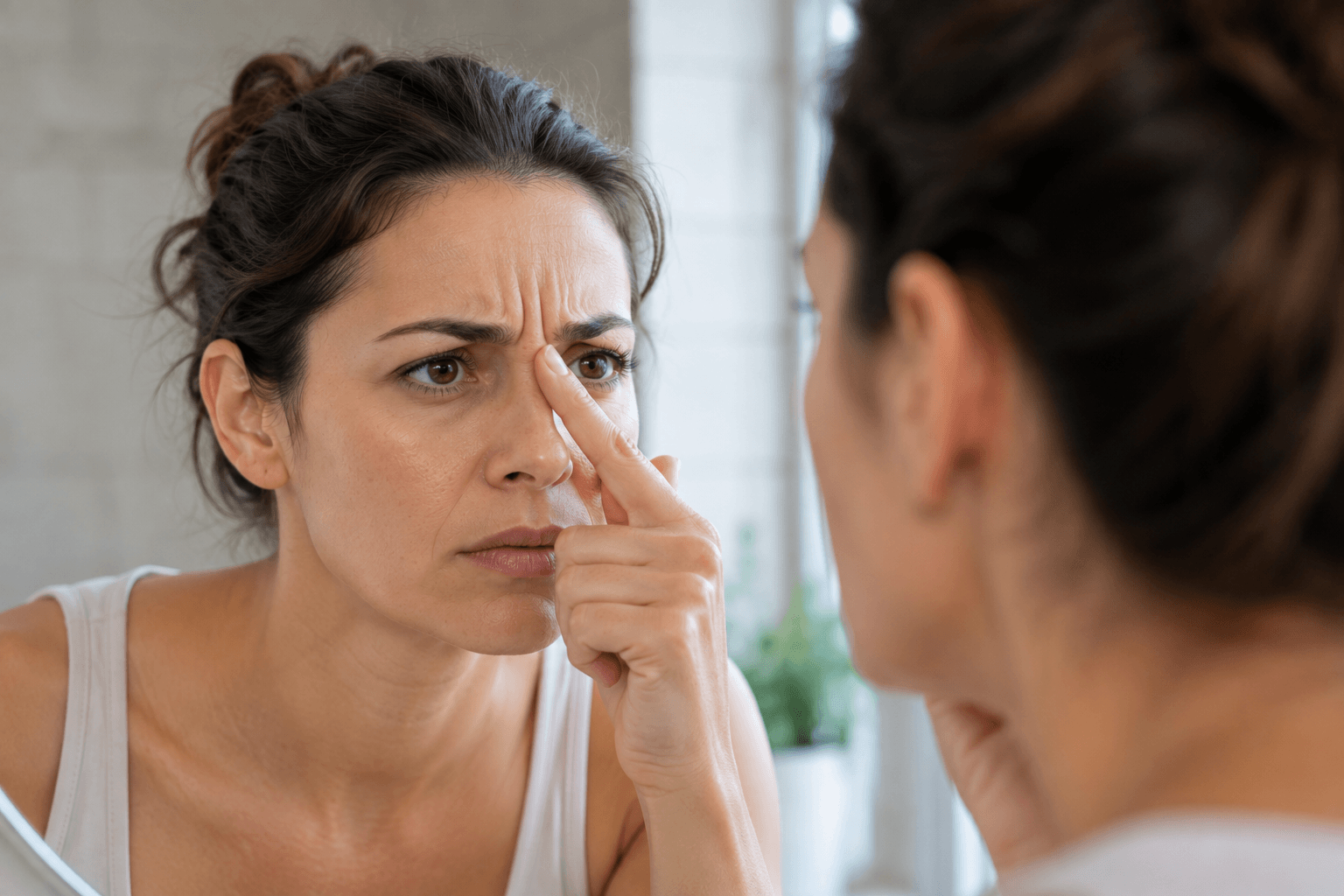
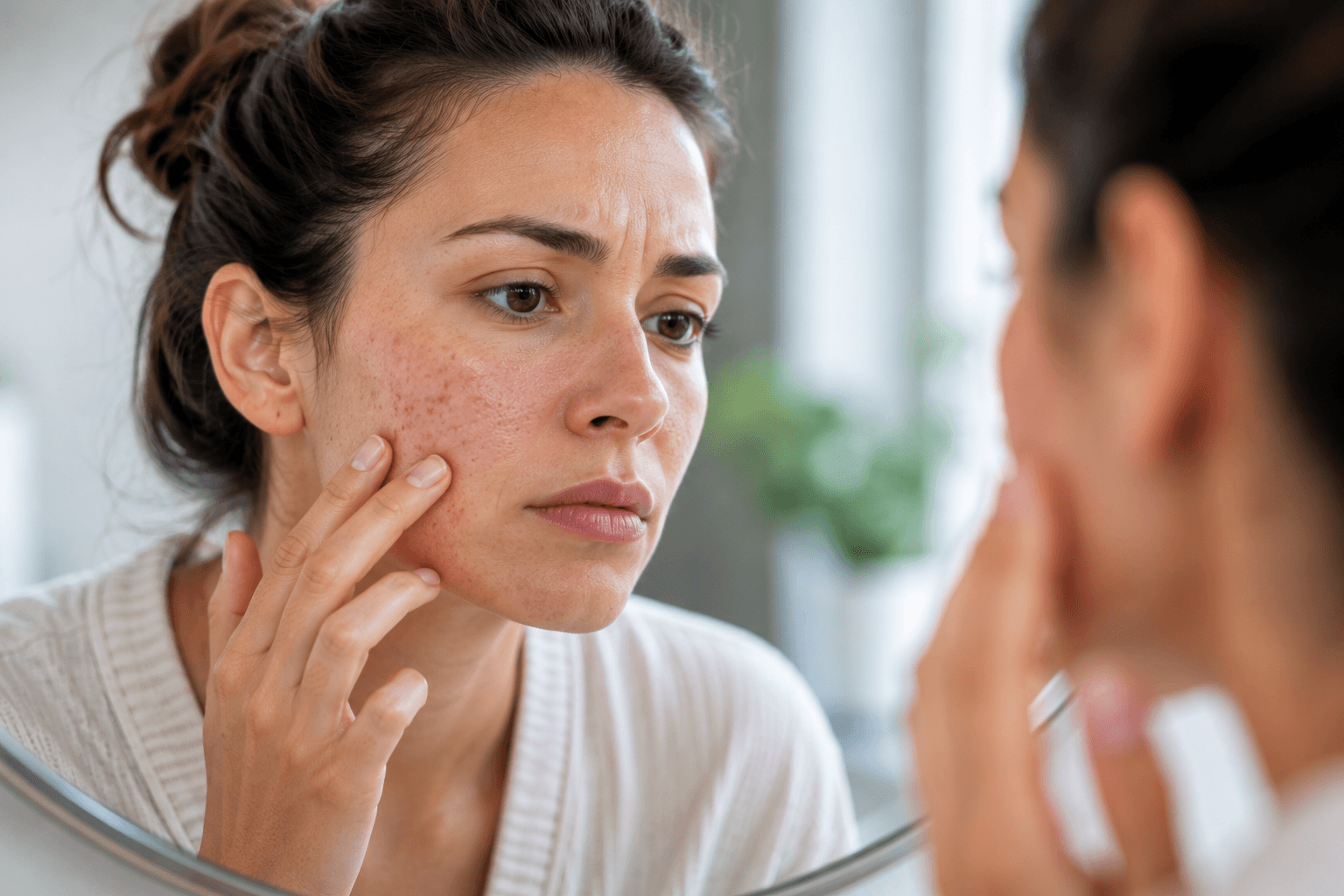
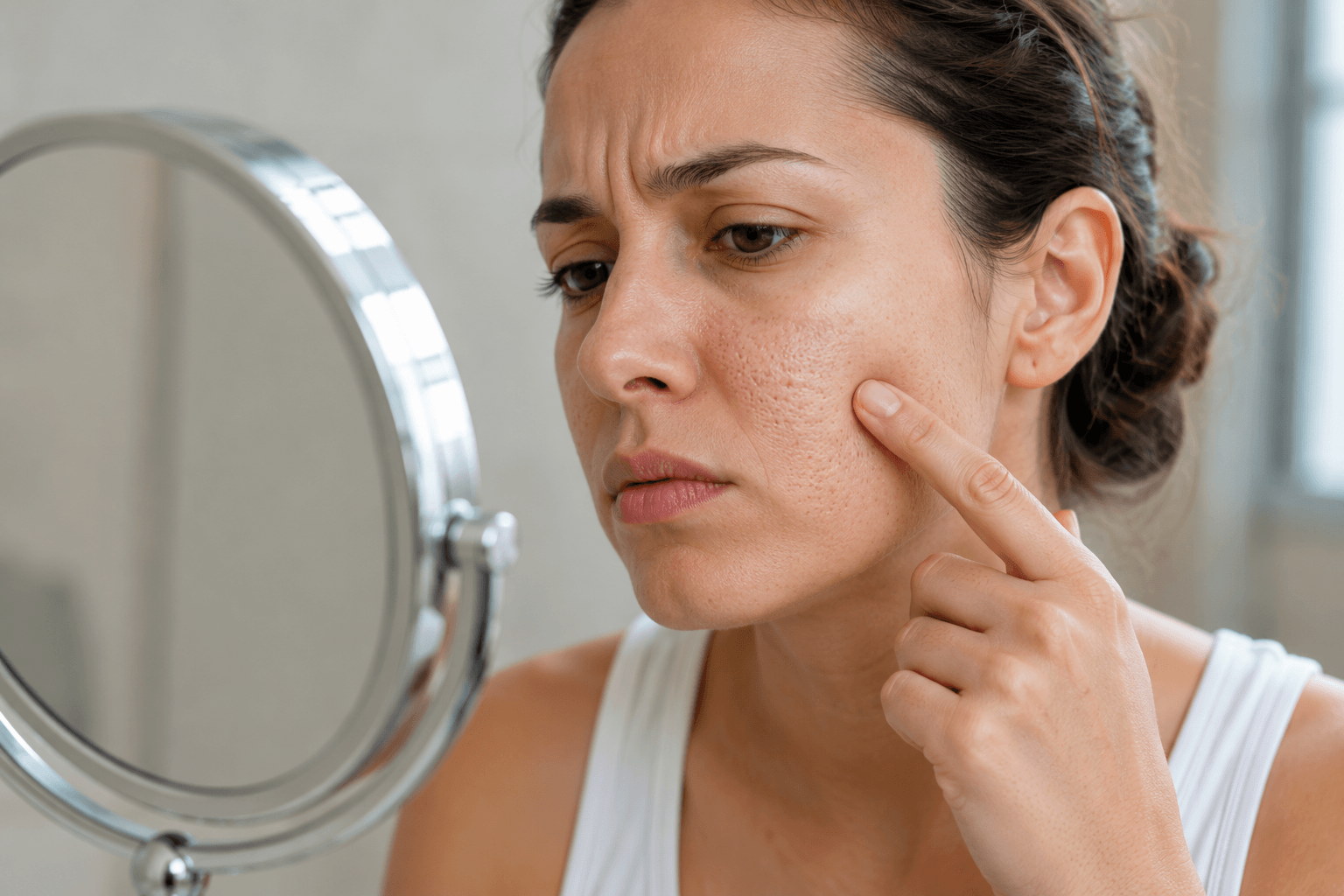
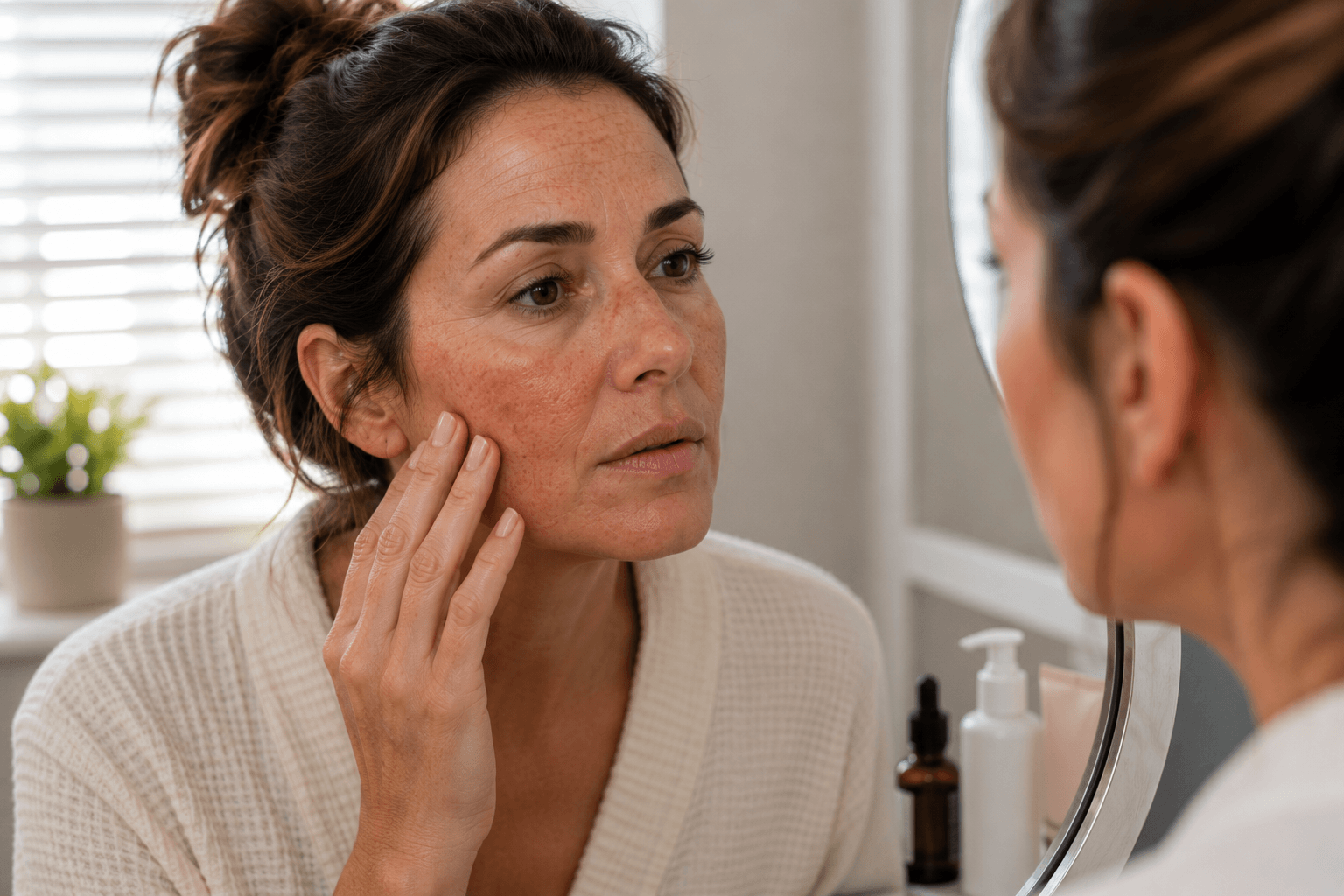
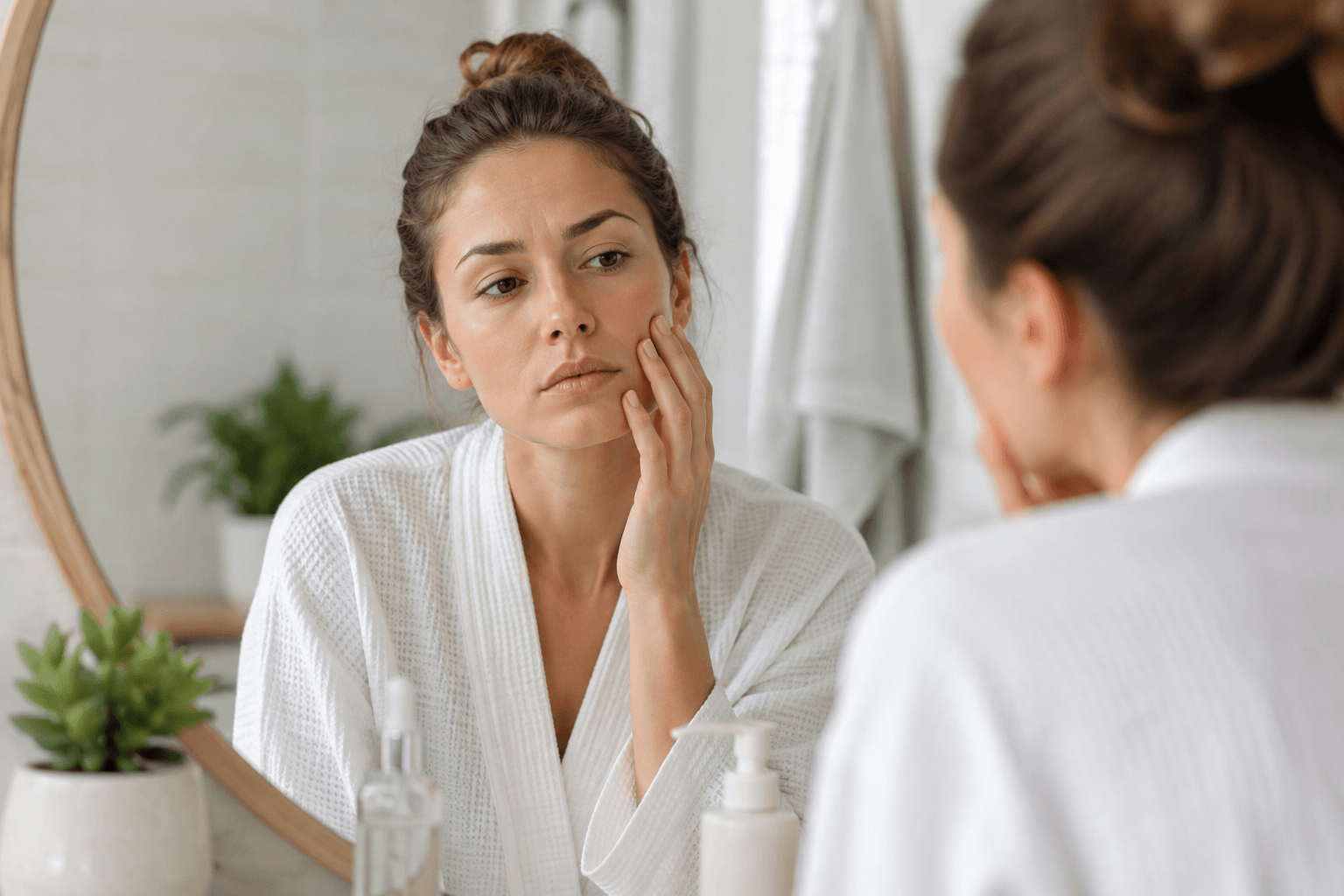
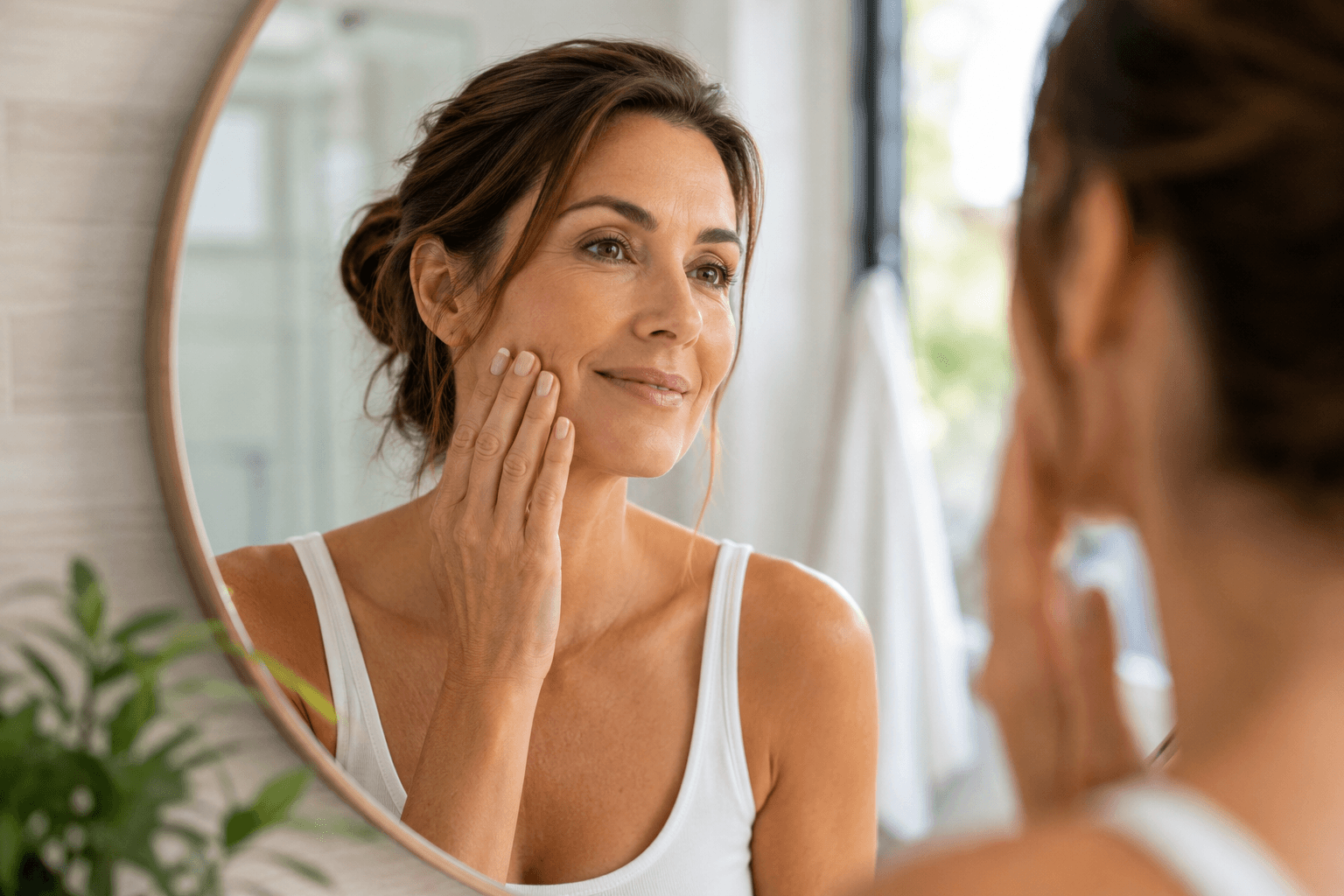
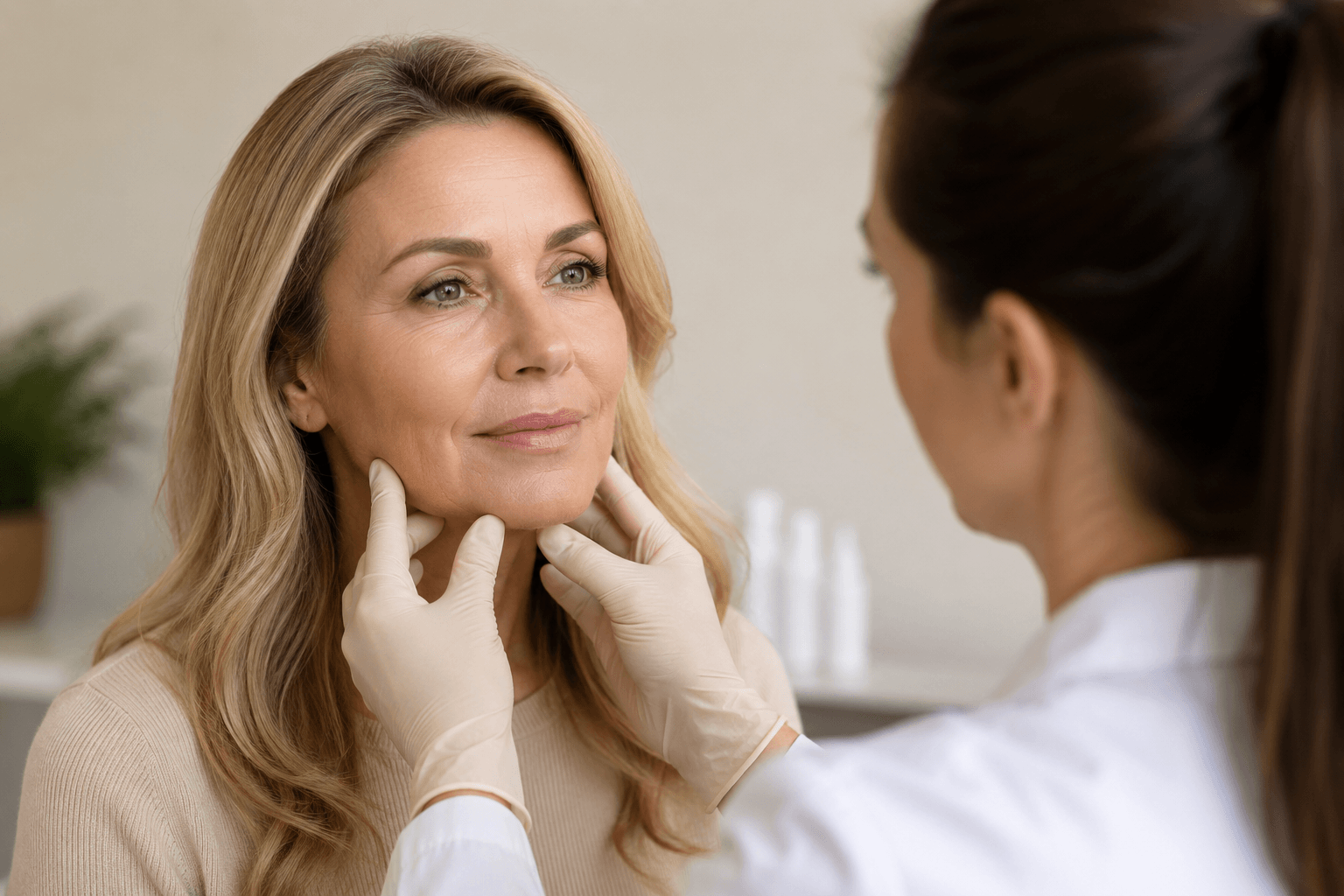
Somewhere around the early forties, a lot of people notice a change they cannot quite pin down. It is not a wrinkle, not a dark spot, just a general sense that the jawline is not as sharp as it used to be, or that the skin along the neck and lower face has started to soften and droop slightly. This is one of the most common concerns patients in McMurray and Canonsburg describe before they have even heard the term skin laxity.
This article covers what actually causes that change, why it tends to show up in this specific area first, and how Xerf Skin Treatment fits into addressing it. Updated August 2026.
Skin laxity refers to the gradual loss of firmness and elasticity that happens as collagen and elastin production slows down. The jaw and neck are often among the first places this becomes visible because the skin there is thinner and has less underlying fat and muscle support compared to areas like the cheeks. Gravity also plays a straightforward role, since loosened skin tends to settle downward over time.
According to research summarized by the National Institute on Aging, collagen production naturally declines by roughly one percent per year starting in the mid to late twenties, but the effects often become visually noticeable once enough cumulative loss has occurred, which tends to be in the late thirties to forties for a lot of people. Hormonal shifts, particularly the drop in estrogen during perimenopause and menopause, can speed this decline considerably, which is part of why many women notice more rapid changes to skin firmness during this life stage.
Beyond age and hormones, cumulative sun exposure is one of the biggest accelerators of skin laxity, since UV damage breaks down existing collagen fibers faster than the body can replace them. Smoking has a similar effect by restricting blood flow to the skin. Genetics also play a role in determining how much natural elasticity someone starts with, which is why two people the same age can have very different degrees of visible sagging.
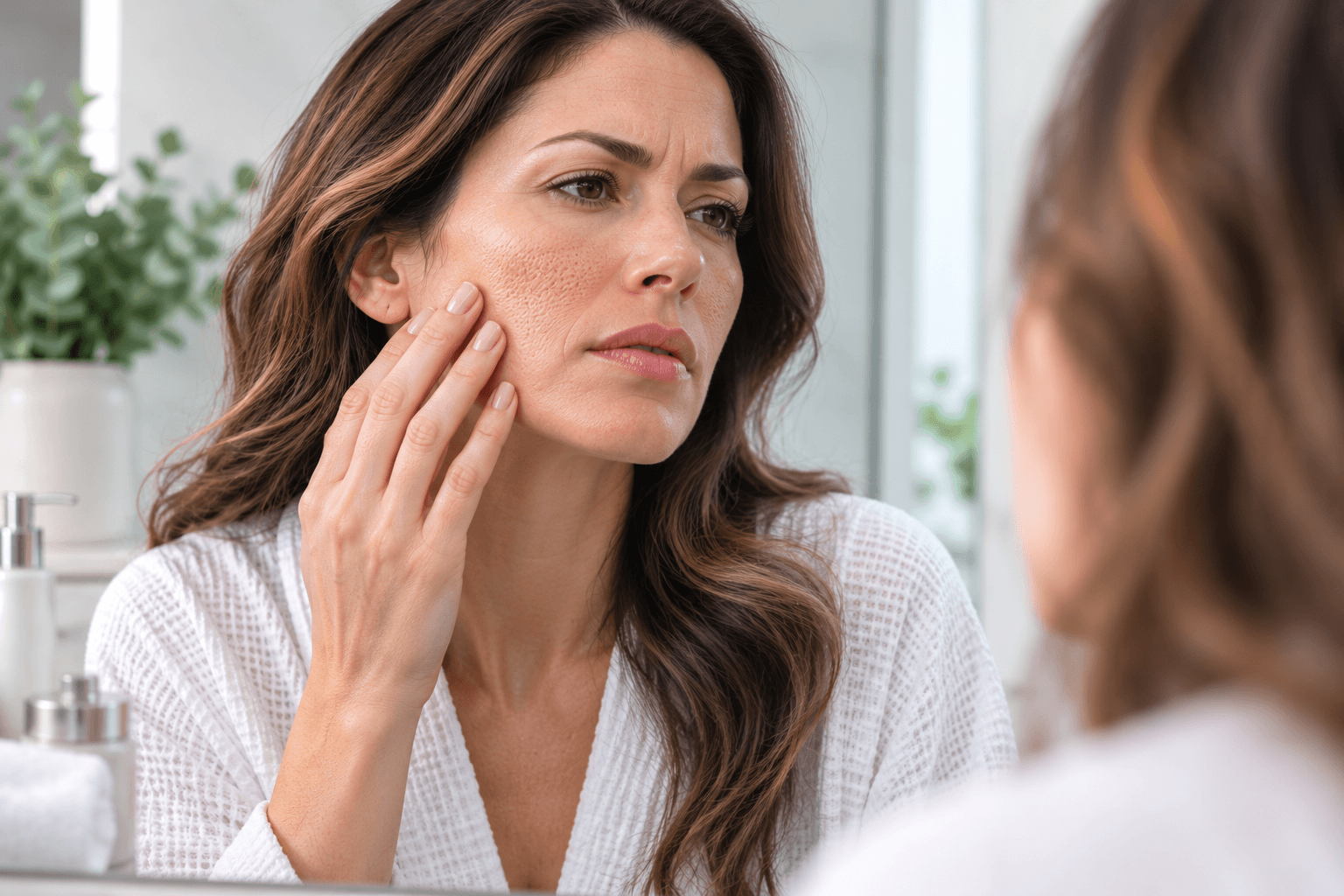
Early signs often include skin that looks fine when pressed but takes a moment to fully bounce back, a jawline that appears slightly less defined in photos taken from certain angles, or mild fullness under the chin that was not there a few years earlier. These changes tend to be gradual, which is why many people do not notice until they compare a recent photo to one from several years back.
Skin laxity does tend to progress without intervention, but that does not mean nothing can be done. Because the underlying issue is a loss of structural collagen, treatments that encourage the skin to rebuild its own collagen supply can meaningfully improve firmness, even though they cannot fully reverse the clock.
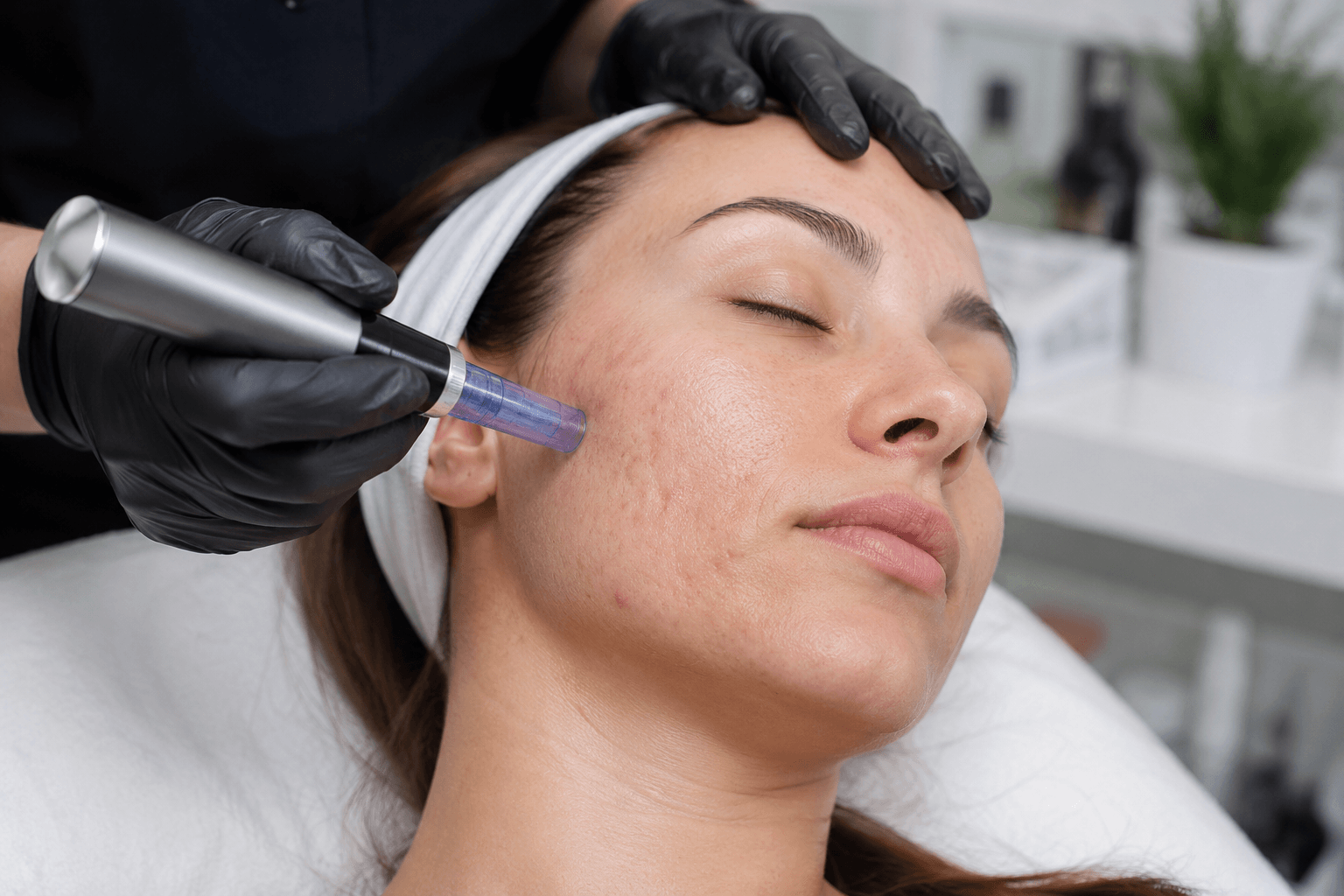
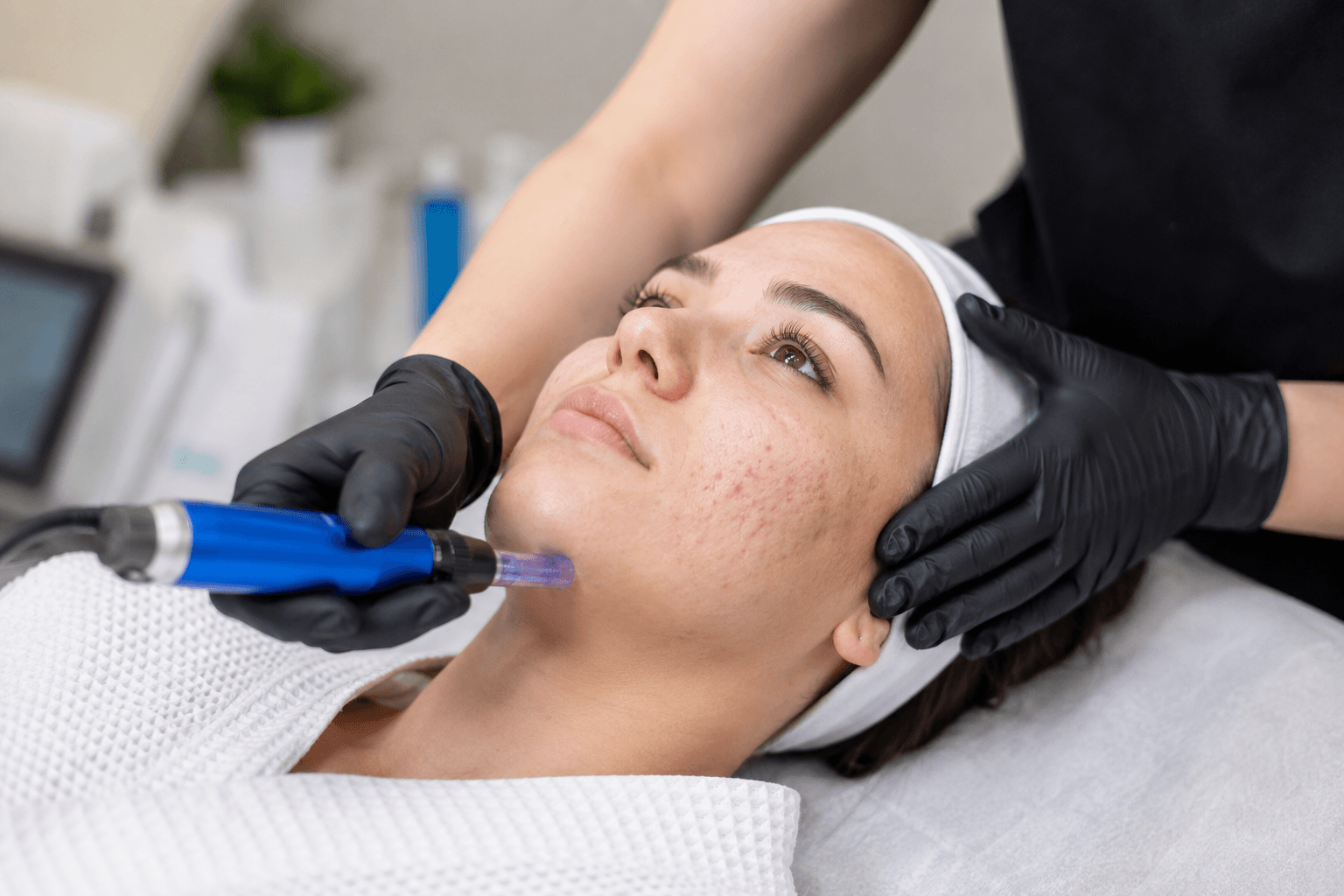
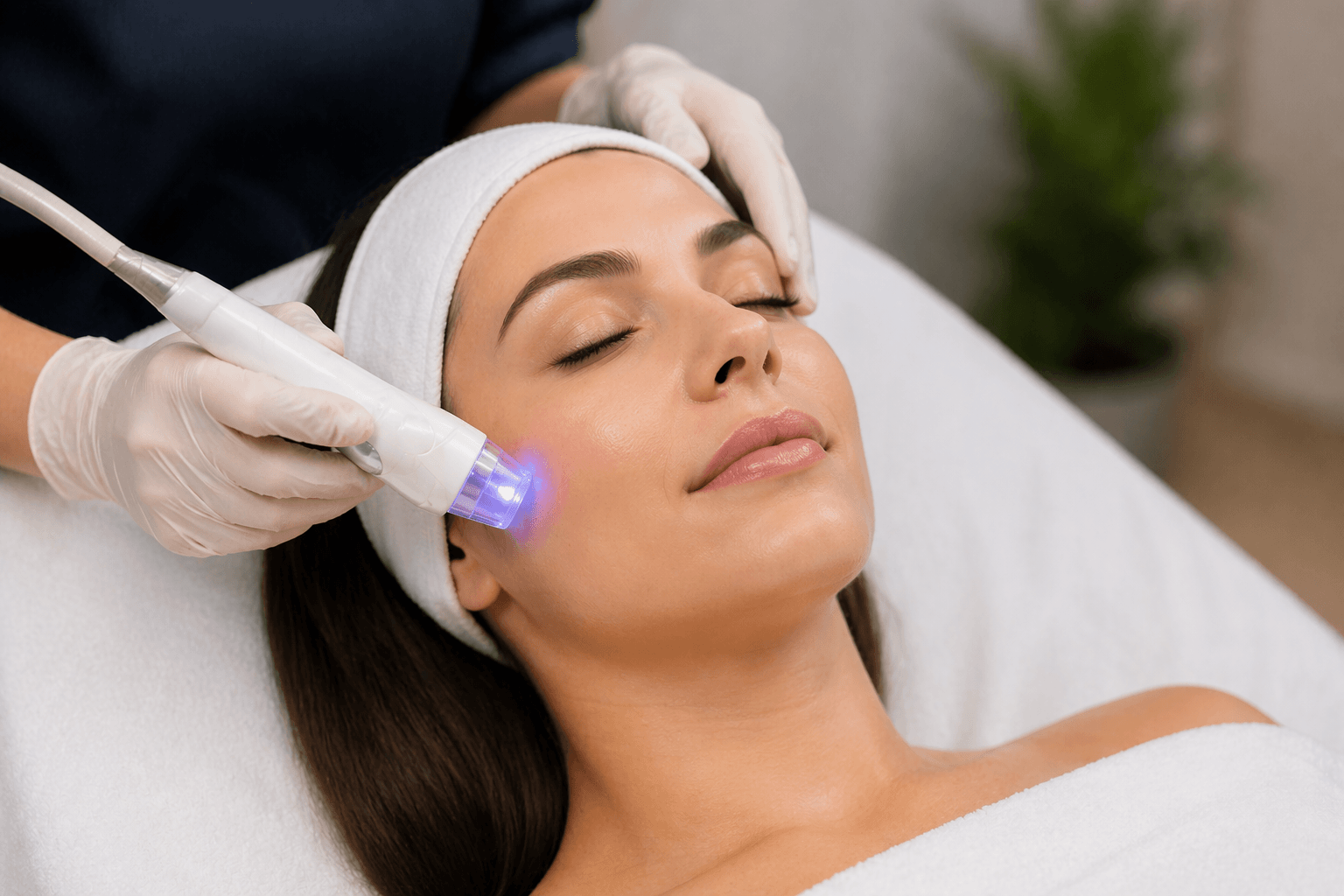
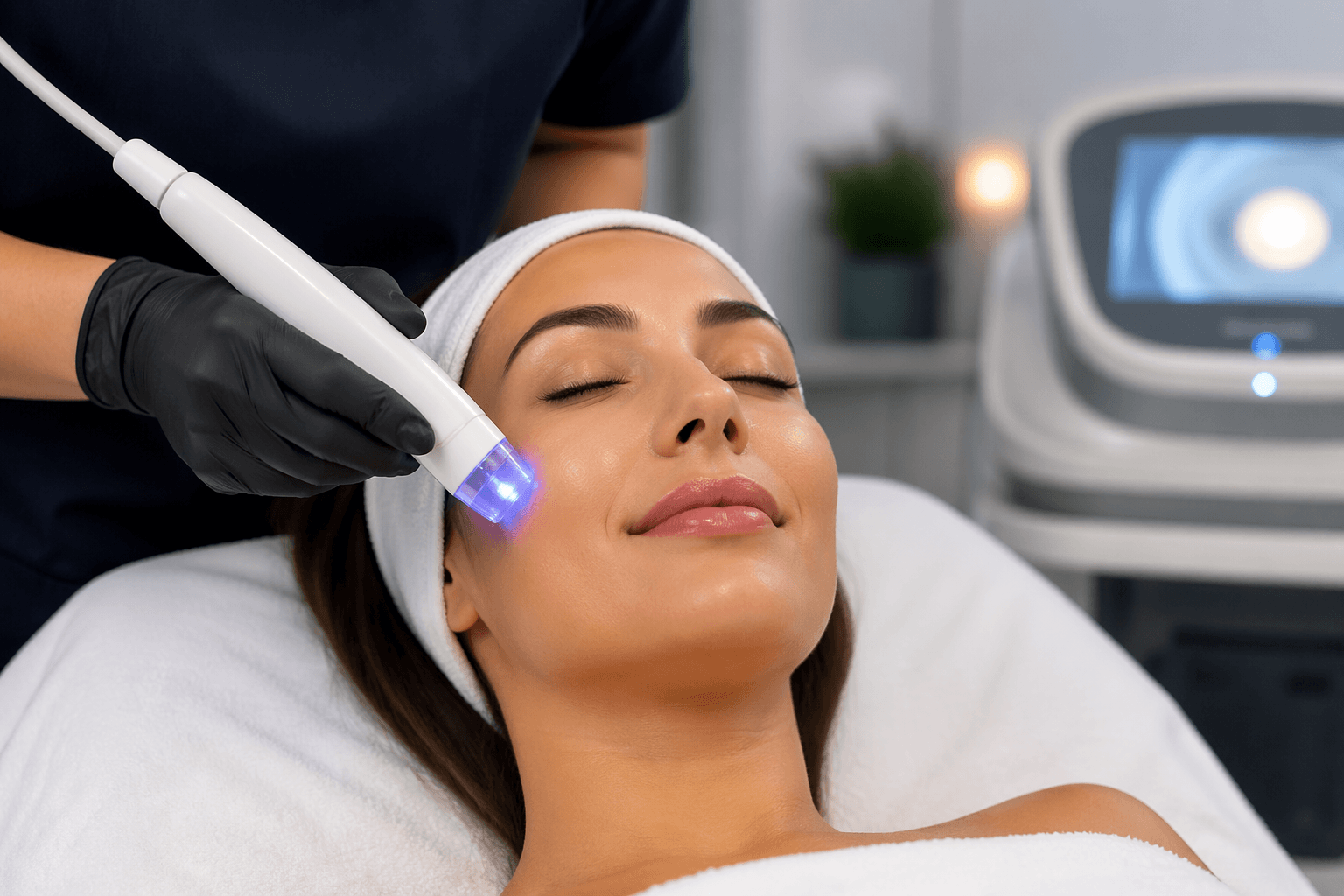
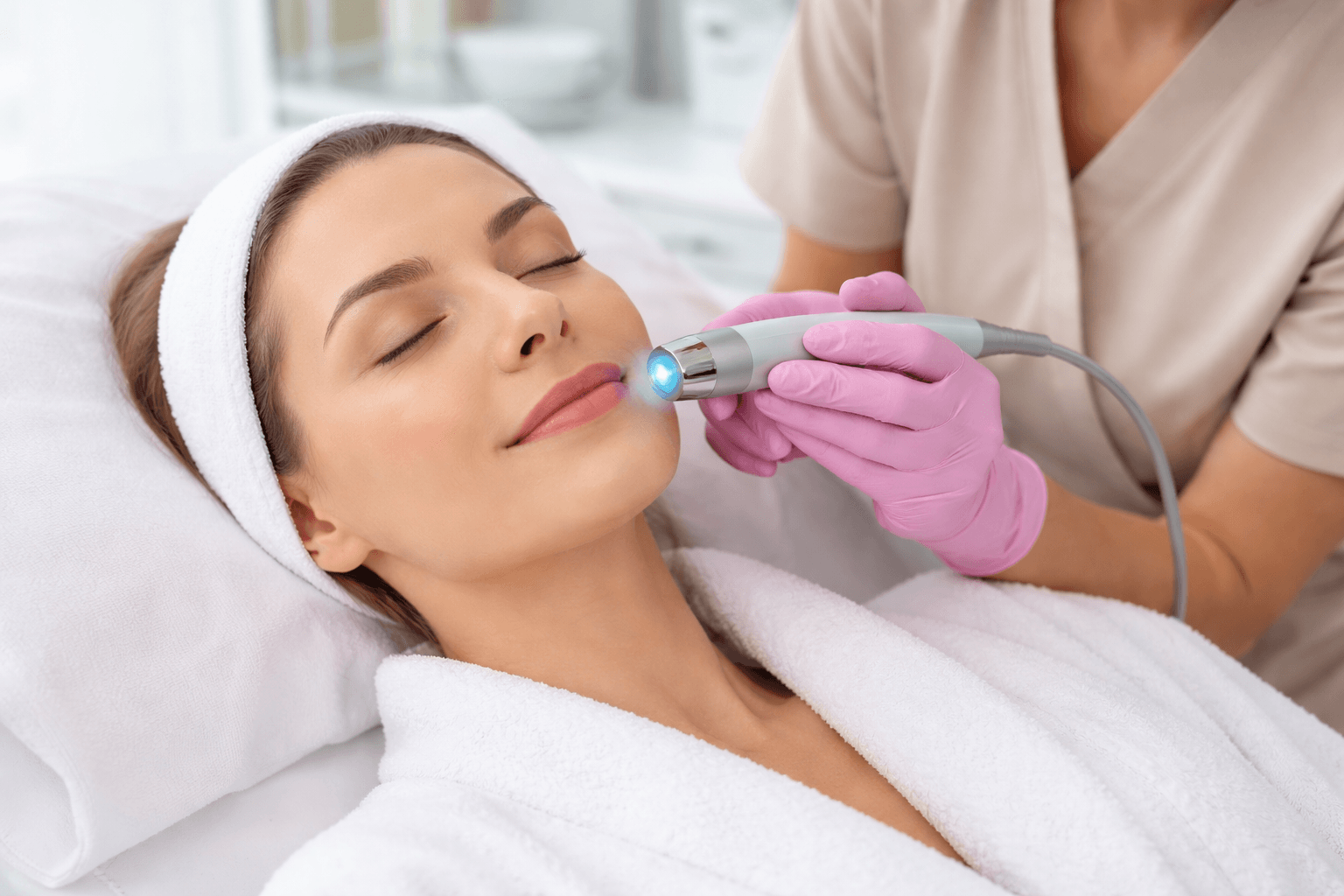
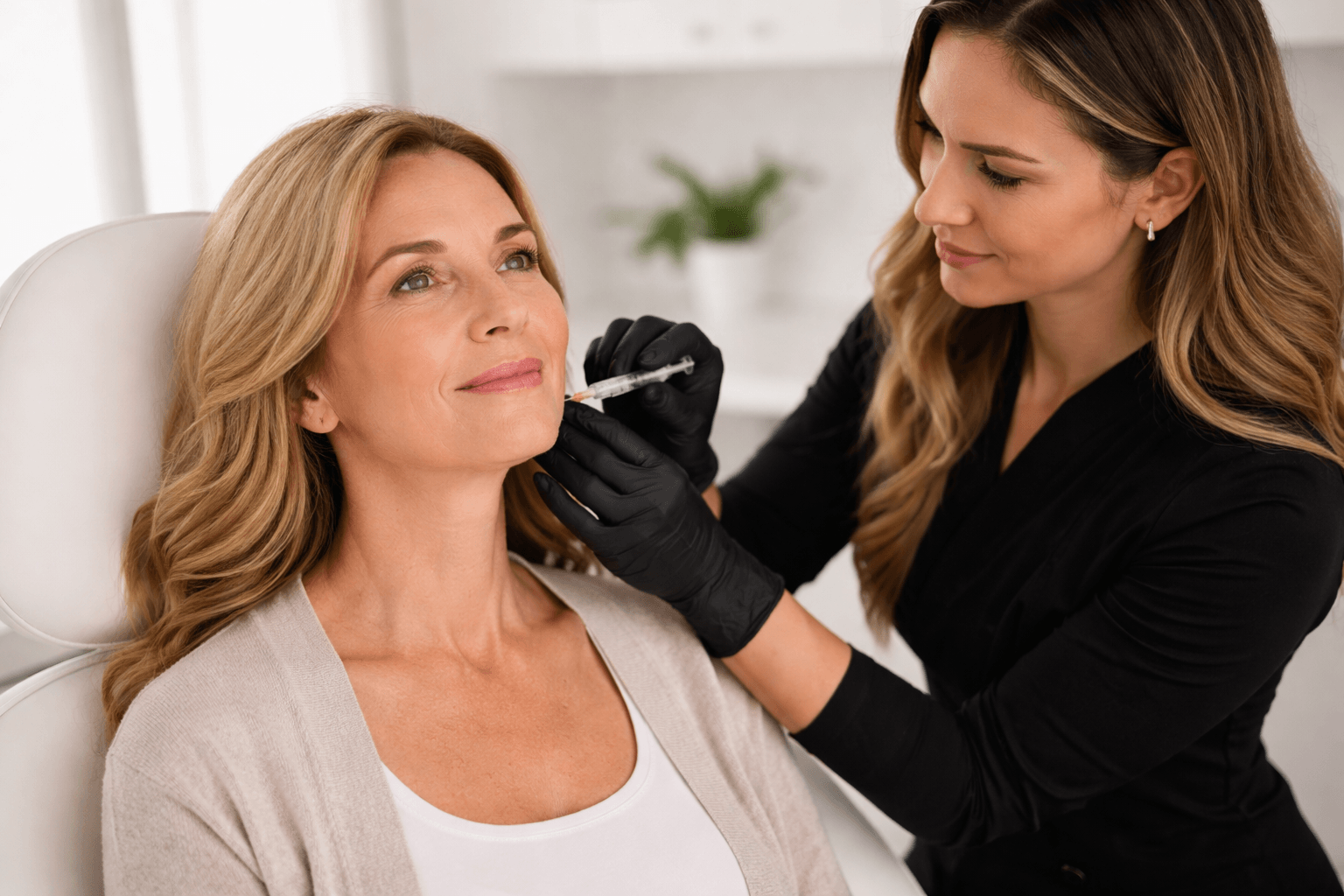
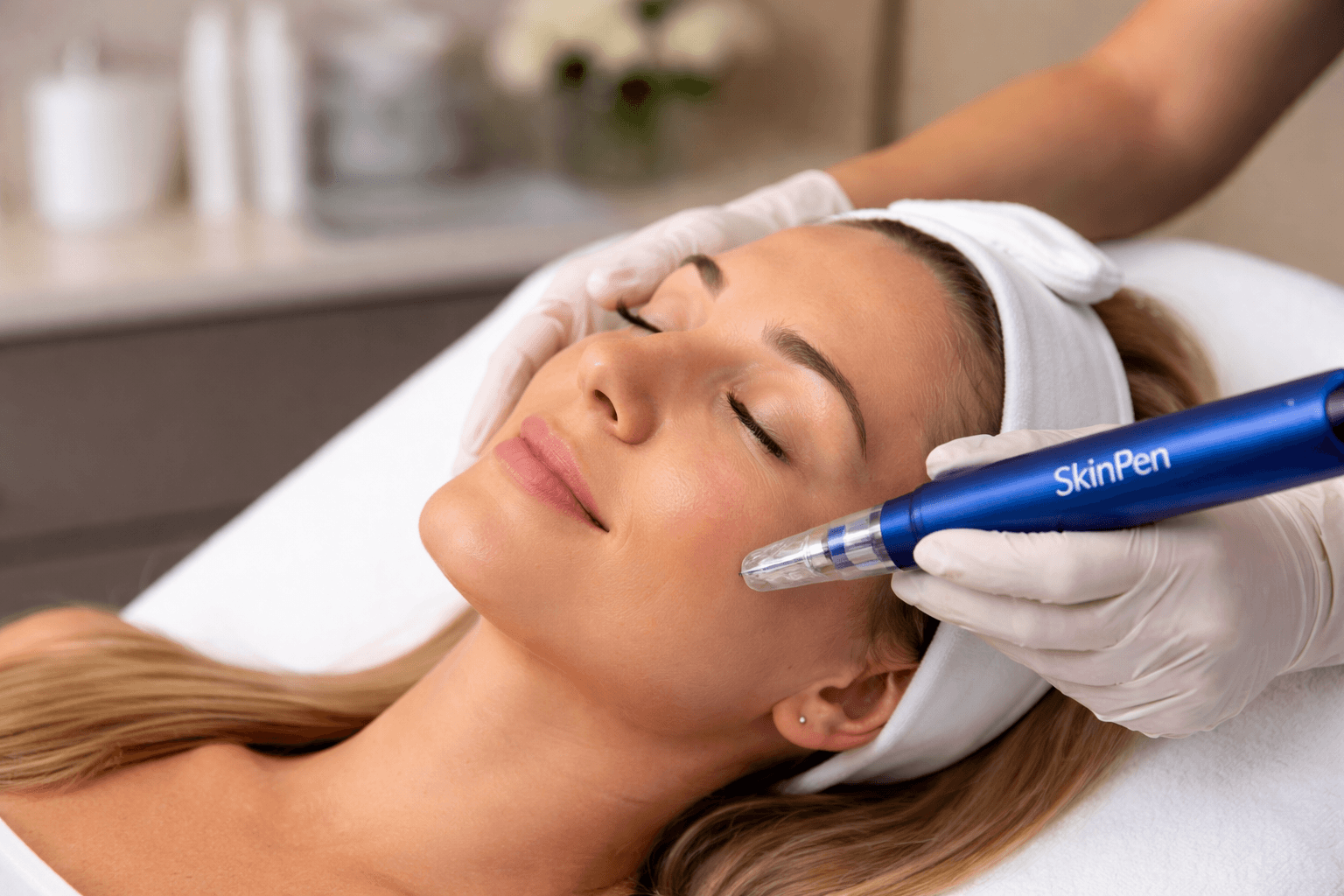
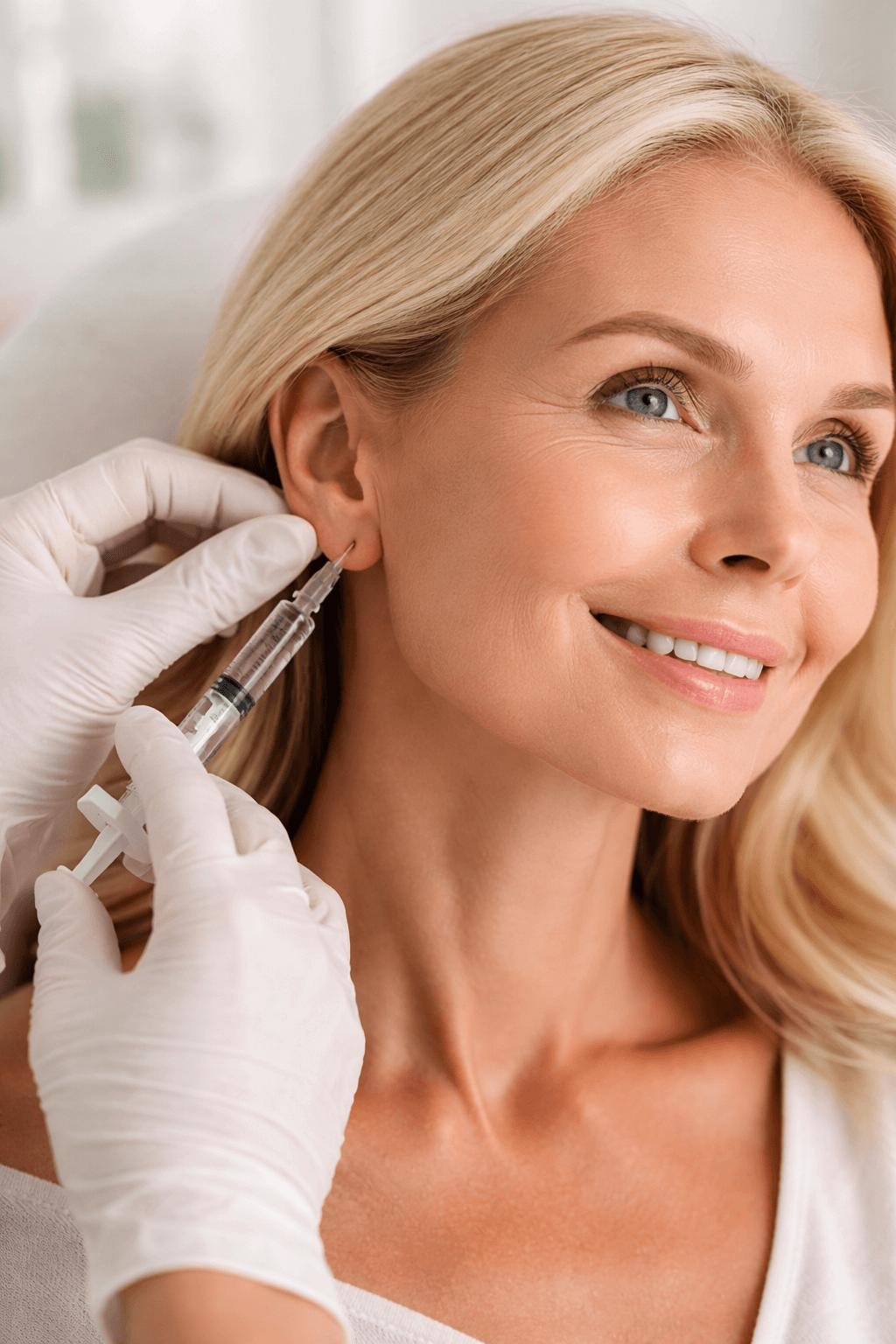
Xerf is designed to stimulate the skin's natural collagen production process, helping to restore some of the structural support that keeps skin looking firm and lifted. Rather than masking the appearance of laxity temporarily, it works with the skin's own repair mechanisms over a series of sessions, which is why patients often see gradual, cumulative improvement rather than an overnight change.
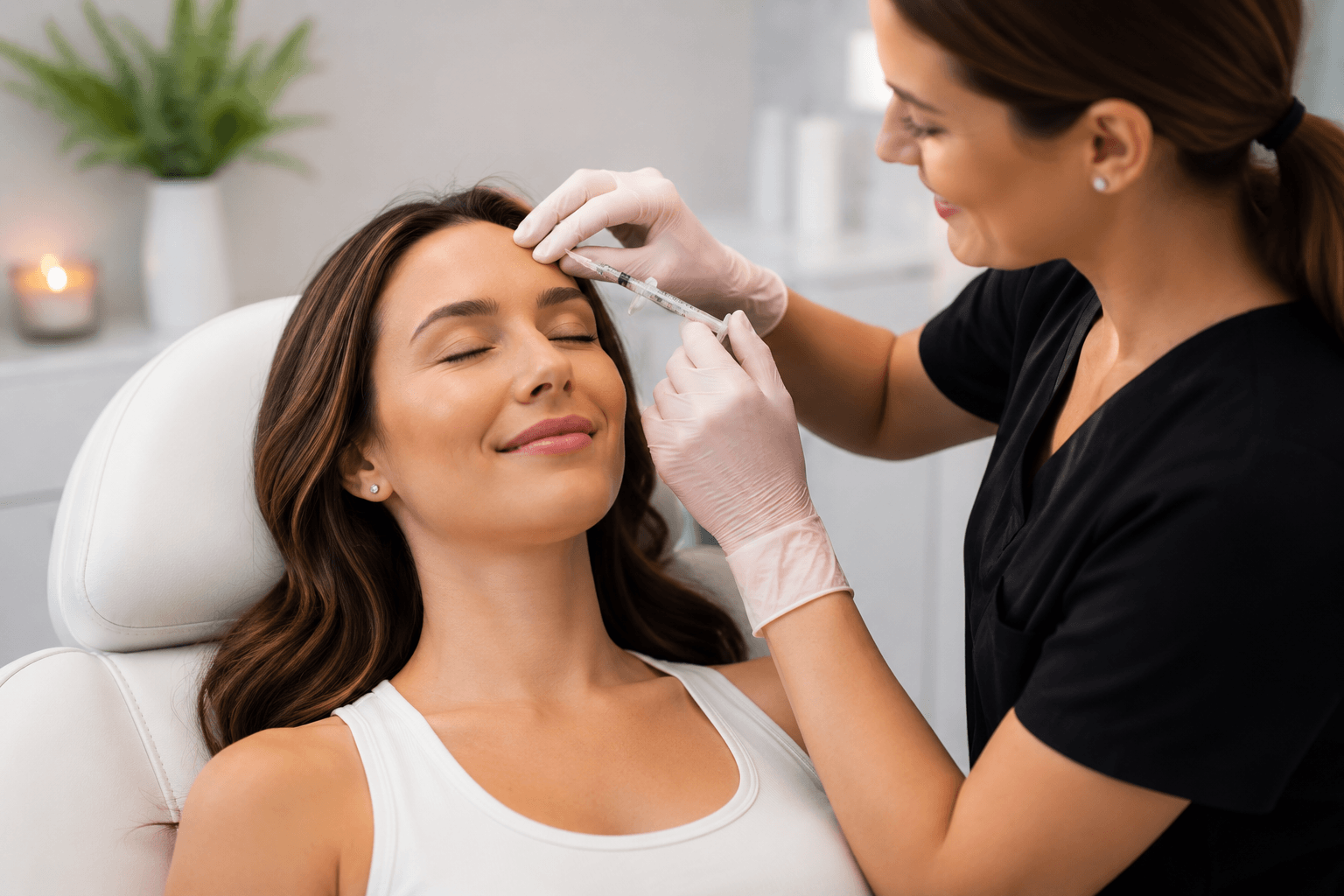
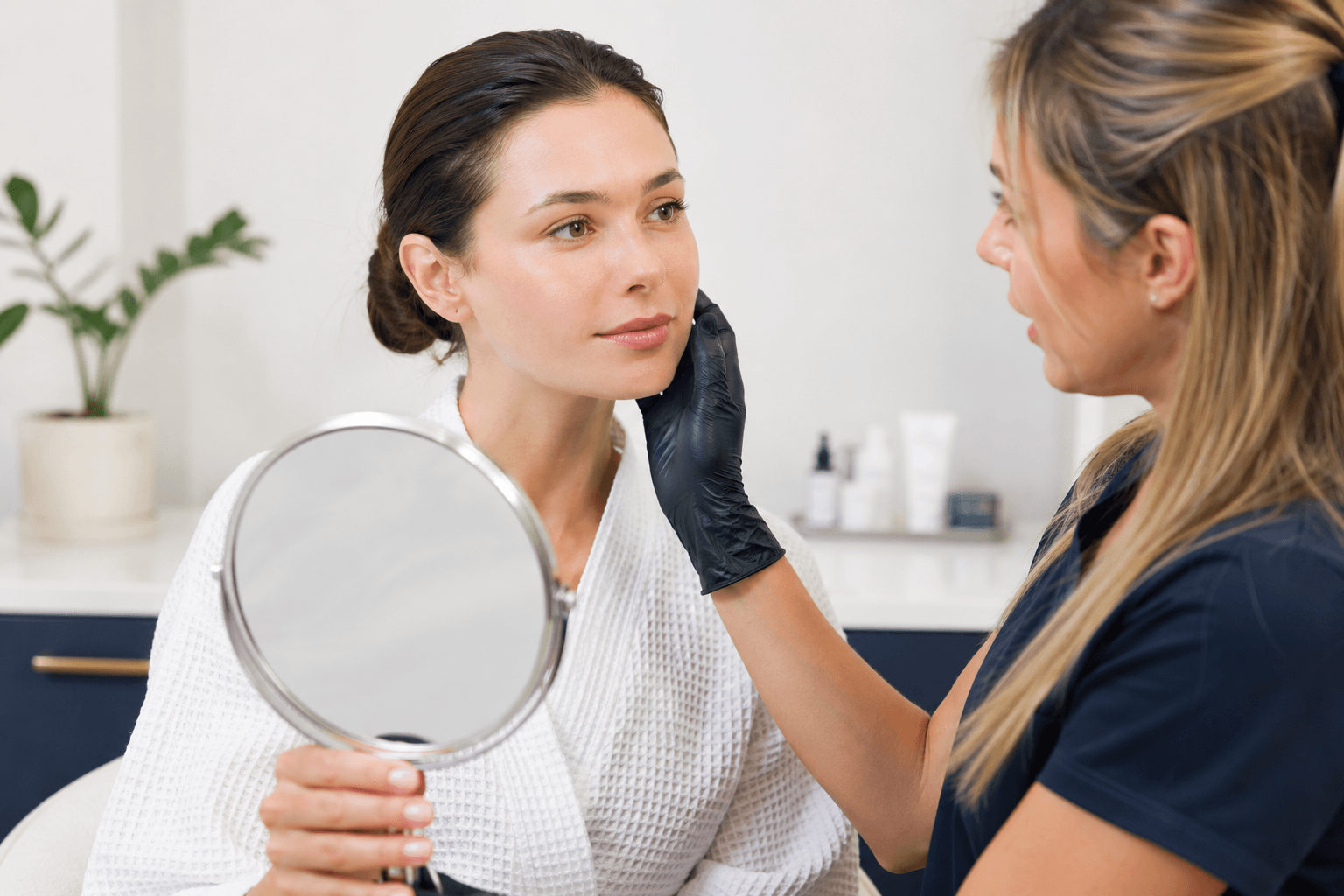
Sessions are generally well tolerated, and most patients can return to their normal routine shortly afterward. Results build over time as the body responds to the treatment, so a provider will typically map out a schedule of sessions based on the individual's skin condition and goals during the initial consultation.
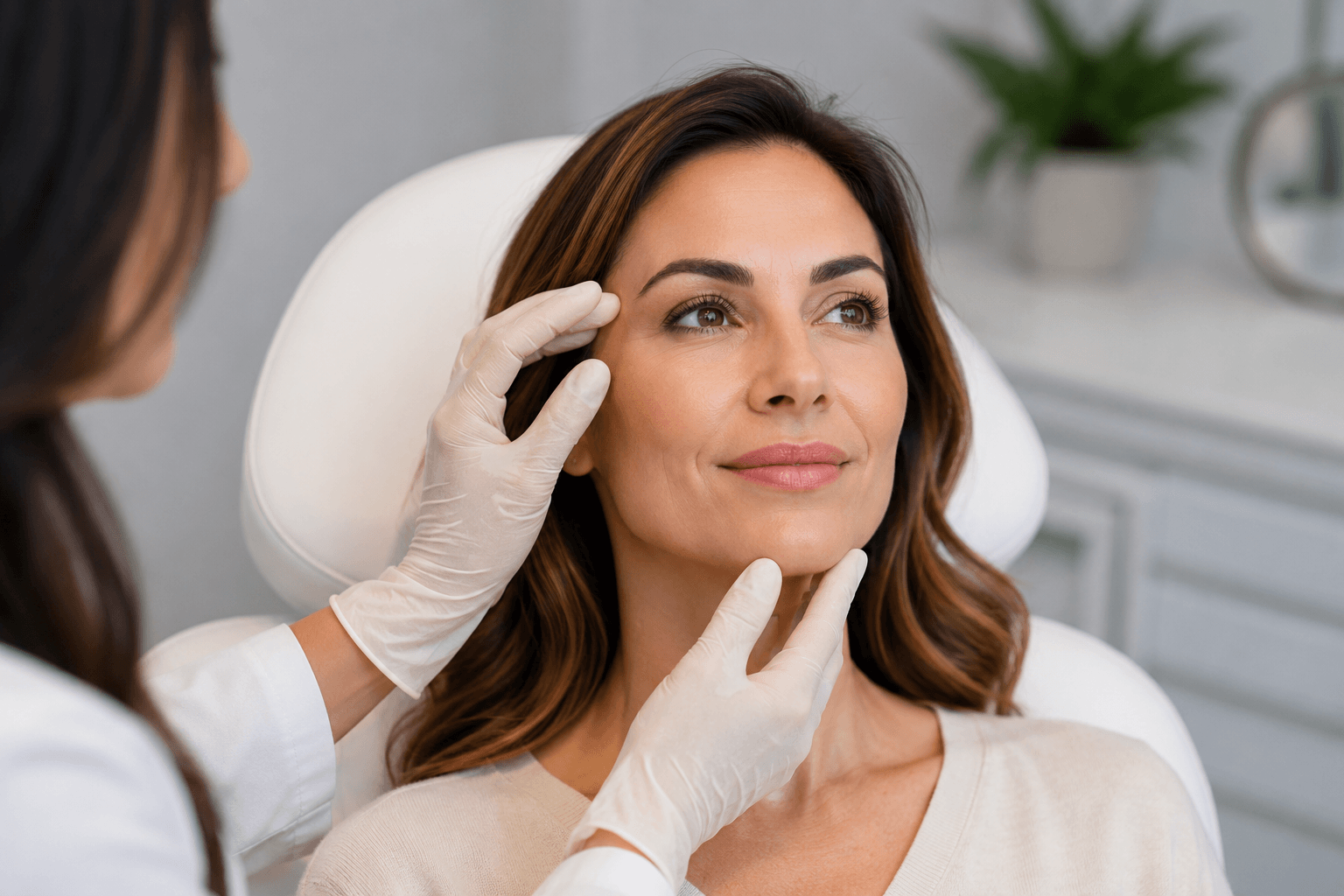
Patients noticing early to moderate skin laxity, particularly around the jawline, neck, or lower face, tend to be strong candidates. It is generally best suited for people looking to improve firmness and texture gradually rather than those seeking a dramatic, immediate lift, which is a distinction worth discussing openly during a consultation at Ageless Skin and Beauty.
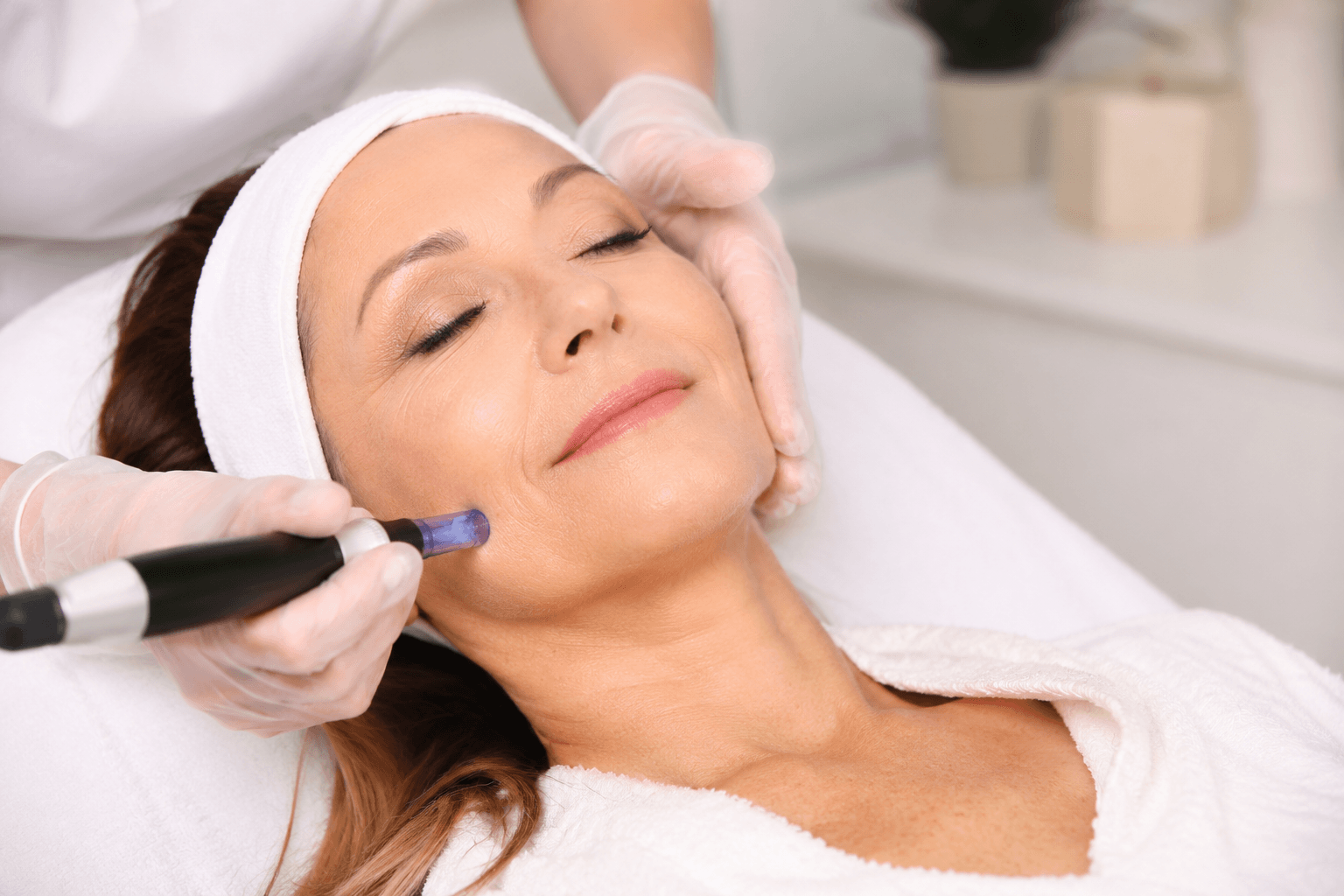
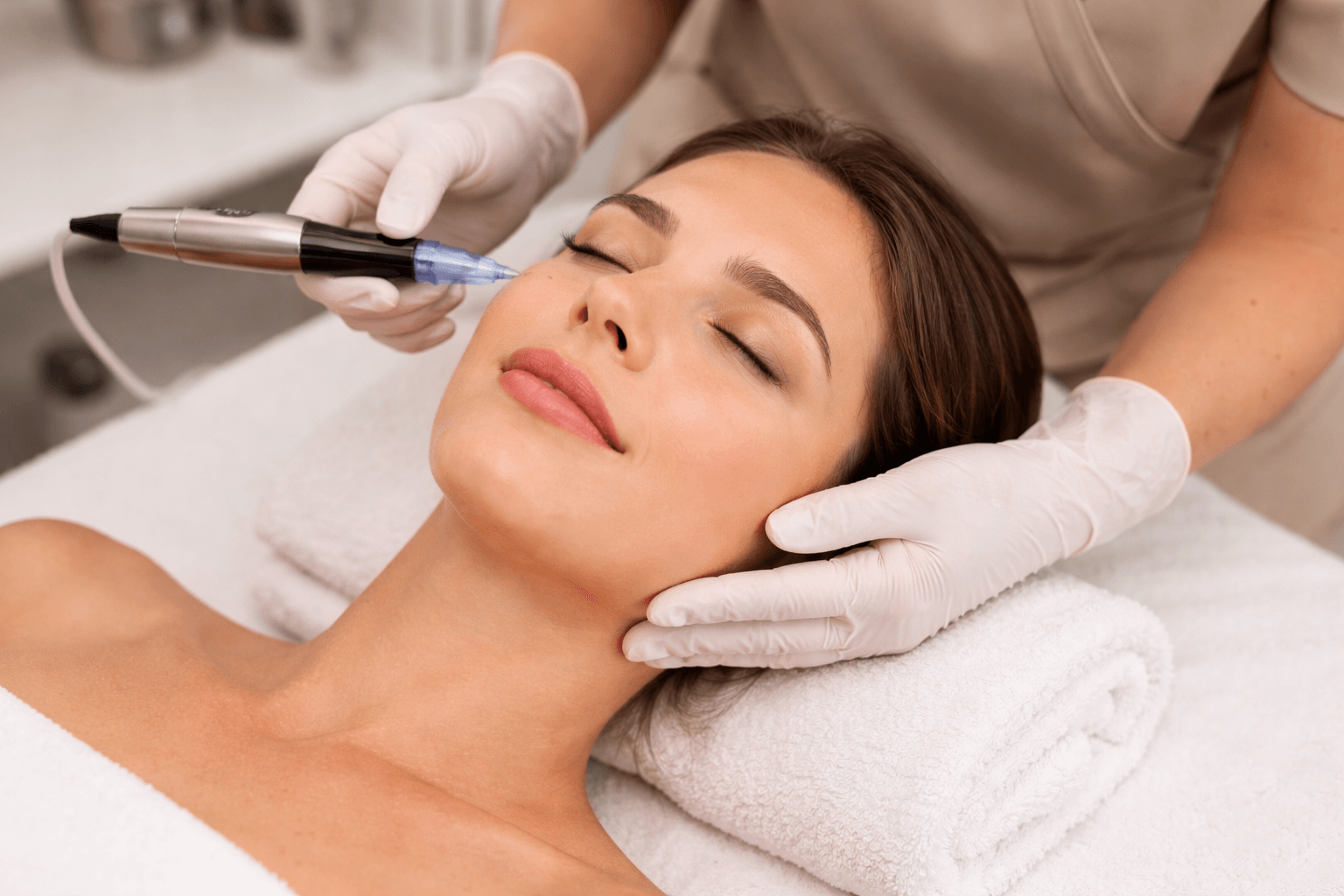
Ageless Skin and Beauty also offers Sculptra, another collagen stimulating treatment, along with RF Microneedling for patients dealing with texture and firmness concerns. The right choice often depends on the specific area of concern, how advanced the laxity is, and personal preference discussed during a consultation. Many patients in the South Hills combine treatments over time as part of a broader skin health plan.
How many Xerf sessions are typically needed to see results? This depends on the individual's skin condition, but most collagen building treatments require a series of sessions spaced several weeks apart for optimal, lasting results.
Is Xerf Skin Treatment painful? Most patients tolerate the treatment well, with minimal to mild discomfort that typically does not require significant downtime.
At what age should someone start thinking about treatments for skin laxity? There is no single correct age, but many patients begin exploring options in their late thirties to forties when early changes in firmness first become noticeable.
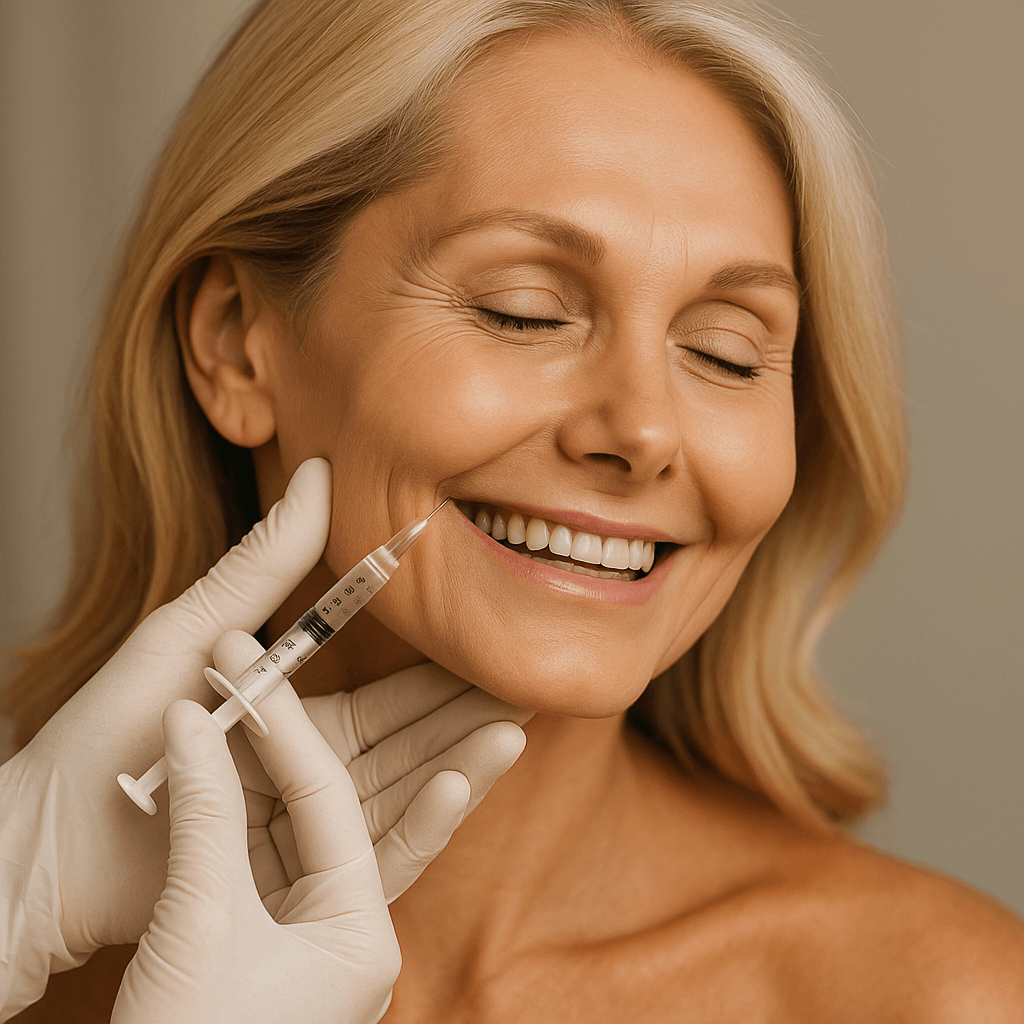
Can Xerf help with sagging skin under the chin specifically? Yes, the treatment is often used to address firmness concerns in the jawline, neck, and under chin area, though results vary based on individual skin condition.
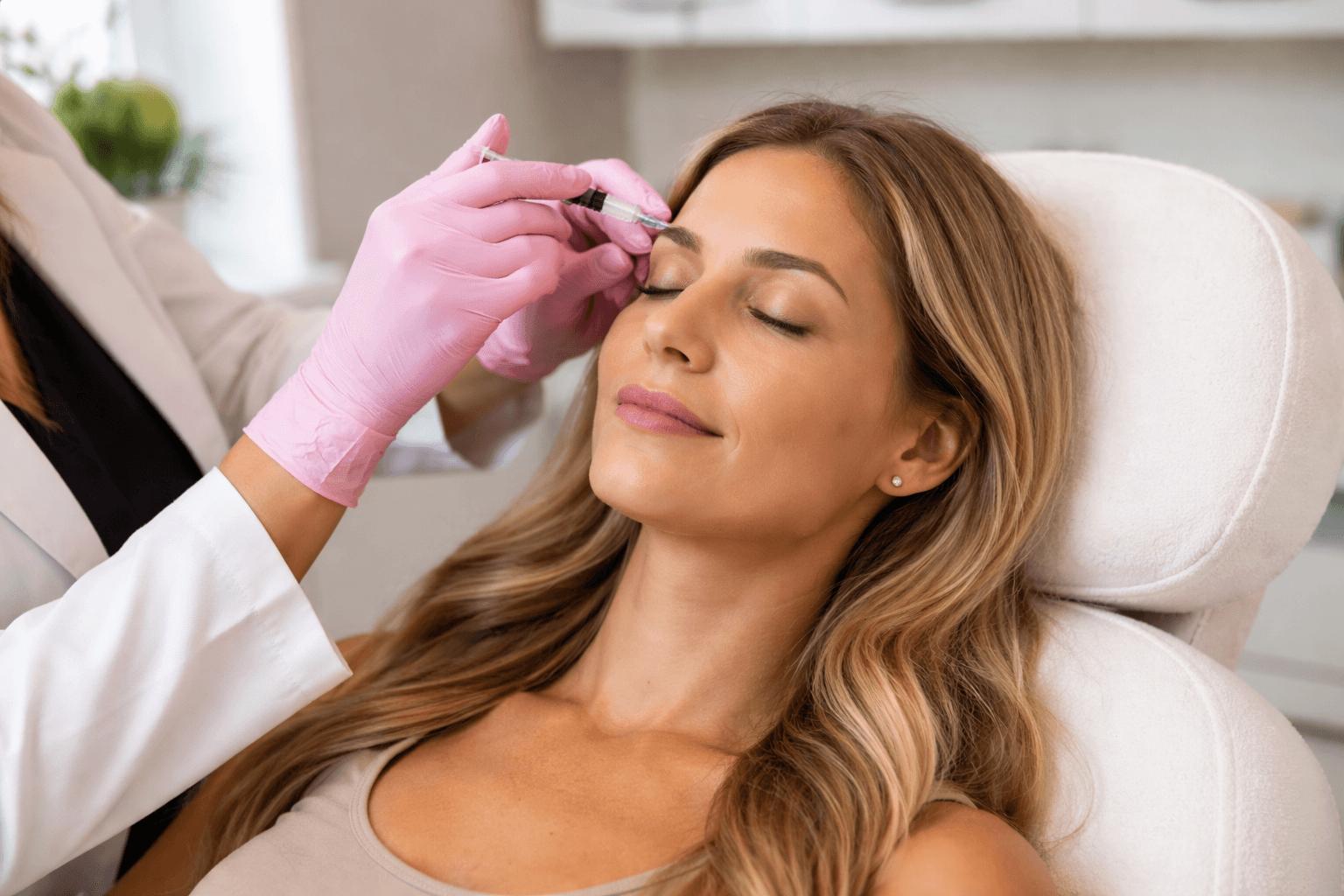
Does Xerf replace the need for injectables like filler? Not necessarily. Some patients use Xerf alongside filler or other treatments as part of a broader approach, which can be discussed during a personalized consultation.
Losing definition along the jaw is one of those changes that sneaks up quietly, but it does not have to be permanent. Understanding why collagen breaks down is the first step, and treatments like Xerf Skin Treatment give the skin a real chance to rebuild that structural support from the inside out. If you are noticing early signs of laxity around McMurray or Canonsburg, the team at Ageless Skin and Beauty can walk you through a personalized plan on the Xerf service page or during an in person consultation.

Start your skincare journey with $50 off your first visit when you spend $200 or more. From glowing facials to advanced laser treatments, our team is here to help you look and feel your best.
.png)
.png)
















.png)
.png)











.png)




.png)



.jpg)


