Sculptra works gradually, so most people see results develop over several months rather than overnight. It is usually given as a series of two to three treatments spaced about four to six weeks apart, and because it encourages your skin to build its own collagen, the improvement unfolds slowly and can last a year or longer.
That slow, steady pace is exactly why many people love Sculptra, and also why it can feel confusing at first. If you are considering Sculptra in McMurray and want to know what the months ahead actually look like, this timeline will help you plan with clear expectations and a lot less second-guessing.
Most dermal fillers are made from hyaluronic acid, which adds volume as soon as it is placed. Sculptra is different. It is made from poly-L-lactic acid, which the FDA describes as a biodegradable, synthetic material used in temporary fillers.
Rather than filling a space right away, Sculptra is designed to stimulate your body's own collagen production over time. Think of it less like pouring water into a glass and more like helping the glass rebuild its own walls.
That difference explains almost everything about the Sculptra timeline. If you want a deeper side-by-side look, our article comparing Sculptra and traditional fillers covers which approach suits different goals.
Every face responds differently, so think of this as a general guide rather than a promise.
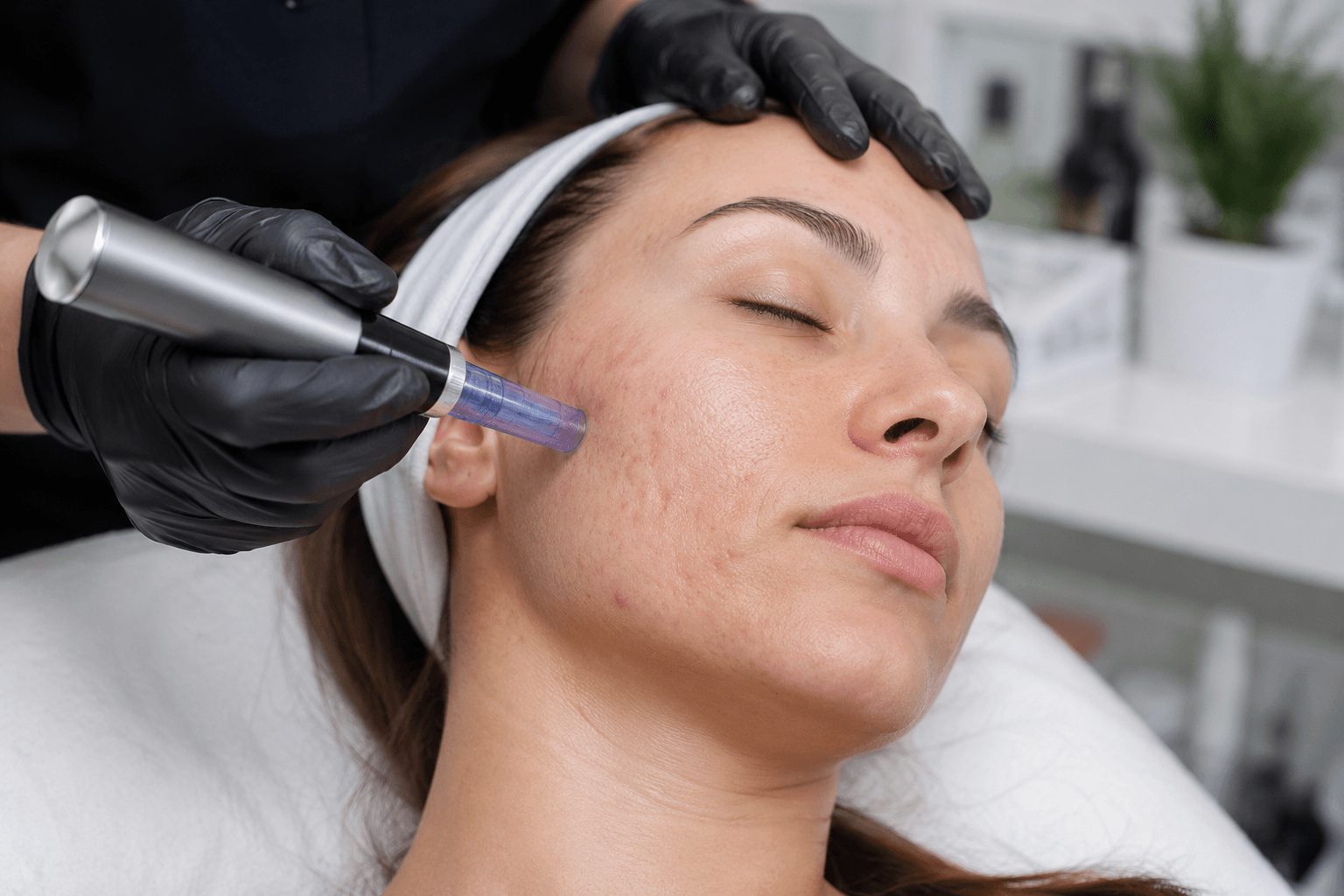
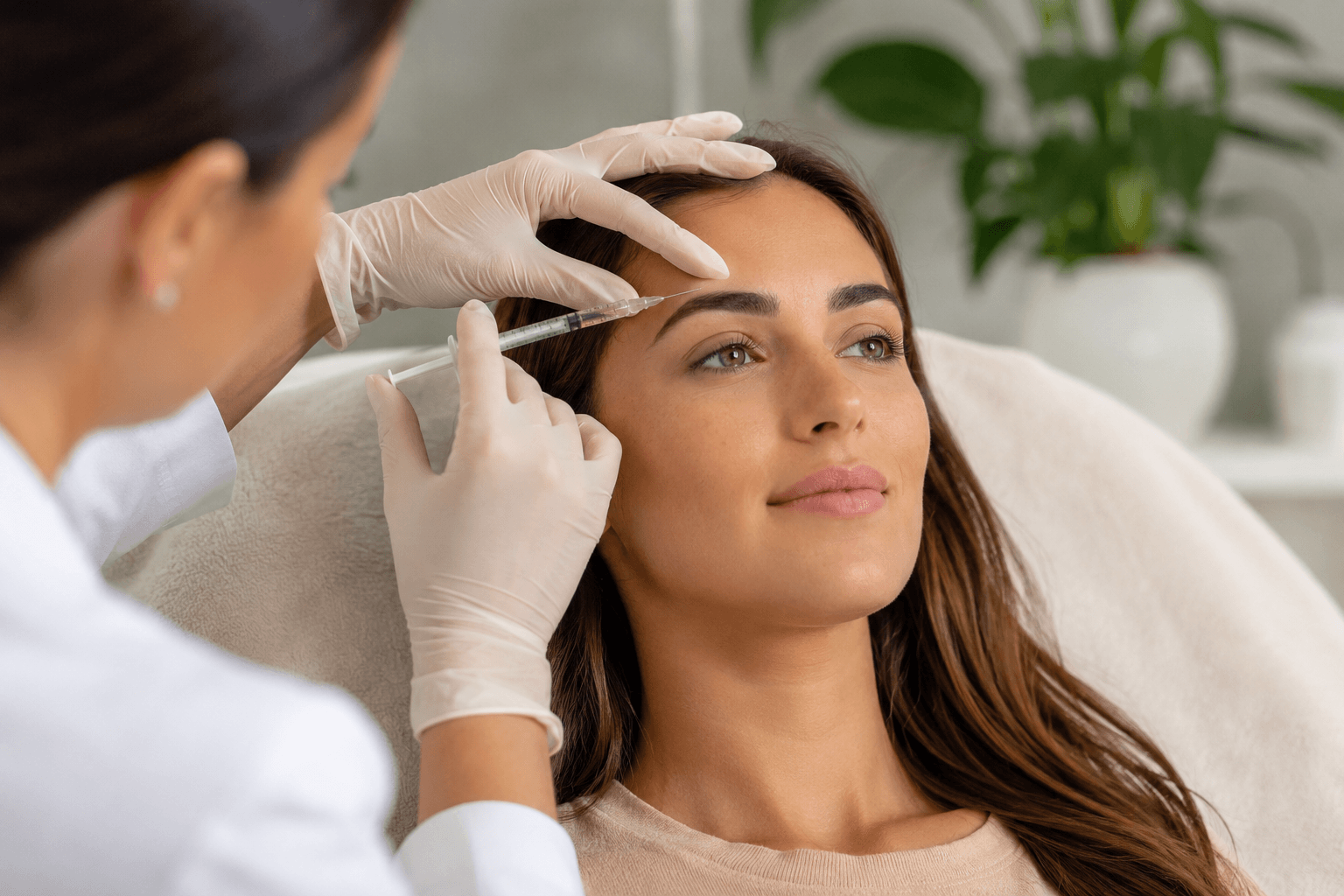
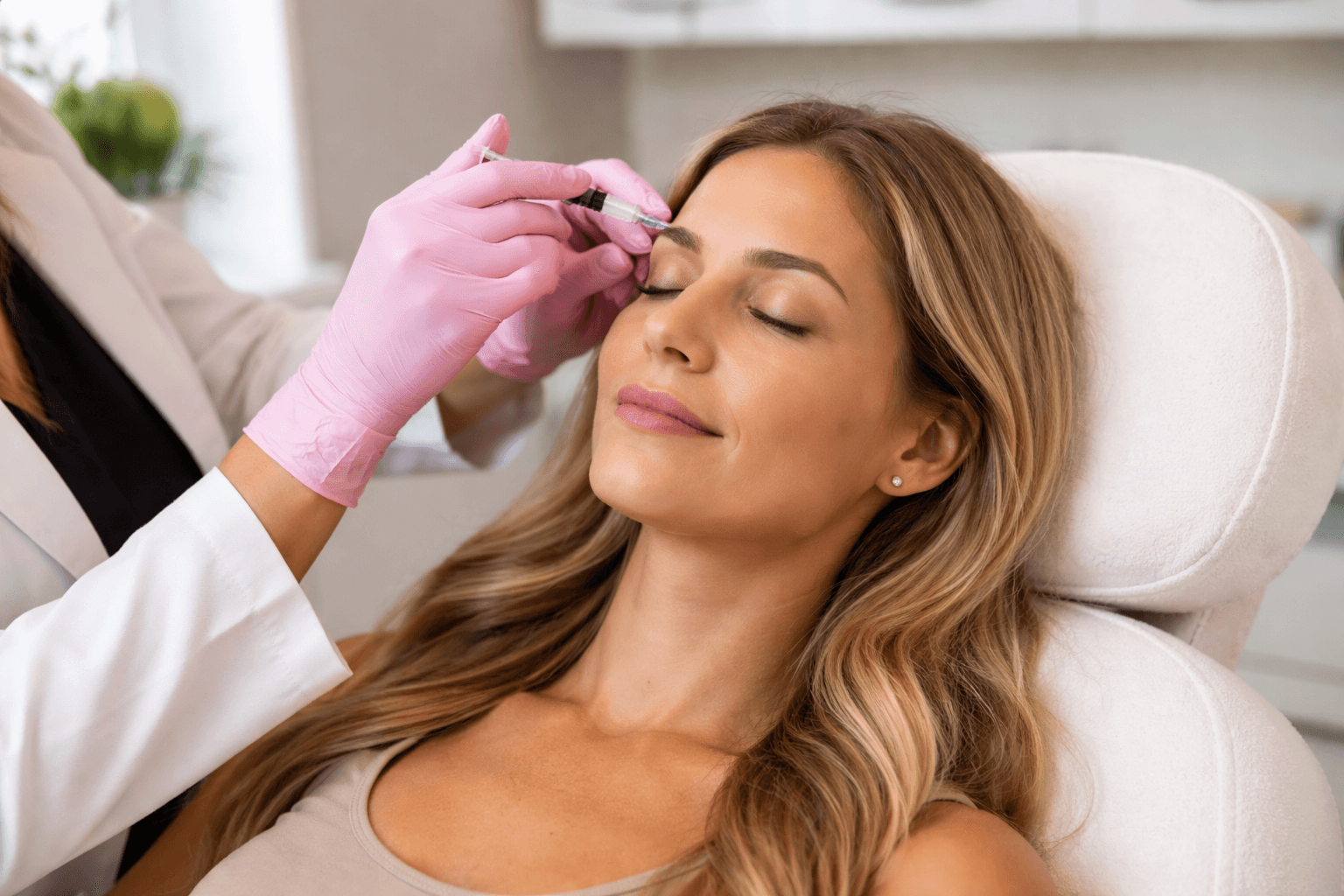
Your appointment typically takes 30 to 60 minutes. Your provider will review your goals, examine the areas of volume loss, and place the product in precise locations. Common treatment areas at Ageless Skin and Beauty include the cheeks, temples, nasolabial folds, and chin, depending on your anatomy and what your provider recommends.
Right after treatment, your face may look fuller. This early fullness is largely temporary swelling and the product itself settling in, not new collagen.
Mild swelling, redness, tenderness, or bruising are common and usually settle within a few days. Your provider will give you specific aftercare instructions. Follow them closely, since they are part of how the product settles evenly.
This is the stage that surprises people. As the swelling and liquid fade, your face can look much like it did before treatment. It is completely expected. The collagen-building process has not had enough time to show yet.
This is a great moment to remember why you chose Sculptra in the first place: gradual, natural-looking change.
Most treatment plans include two to three sessions spaced about four to six weeks apart. Each session adds to the foundation built by the last one. Your provider will look at how your skin is responding and adjust the plan accordingly.
Over the following months, many patients begin to notice that their skin looks a little firmer, their cheeks look more supported, and their face looks more rested. Friends may say you look well without being able to say why. That is often the best compliment a Sculptra patient can receive.
The American Academy of Dermatology notes that poly-L-lactic acid results can last about one to three years. Longevity varies with age, lifestyle, metabolism, and how your body responds. Many people choose occasional maintenance treatments to sustain their results.
A gradual change can be a real advantage, especially for these patients.
If you lead meetings, present to clients, or simply do not want to explain a sudden change at the office, Sculptra's pace is reassuring. Downtime is typically minimal, with possible mild swelling or bruising, and the improvement builds so slowly that colleagues are unlikely to notice a dramatic before and after.
For patients who approach their skin the way they approach anything else of value, Sculptra fits a thoughtful, planned strategy. Instead of chasing quick fixes before every event, you build a foundation and maintain it. This approach pairs well with a consistent skin care routine and professional treatments designed for skin quality.
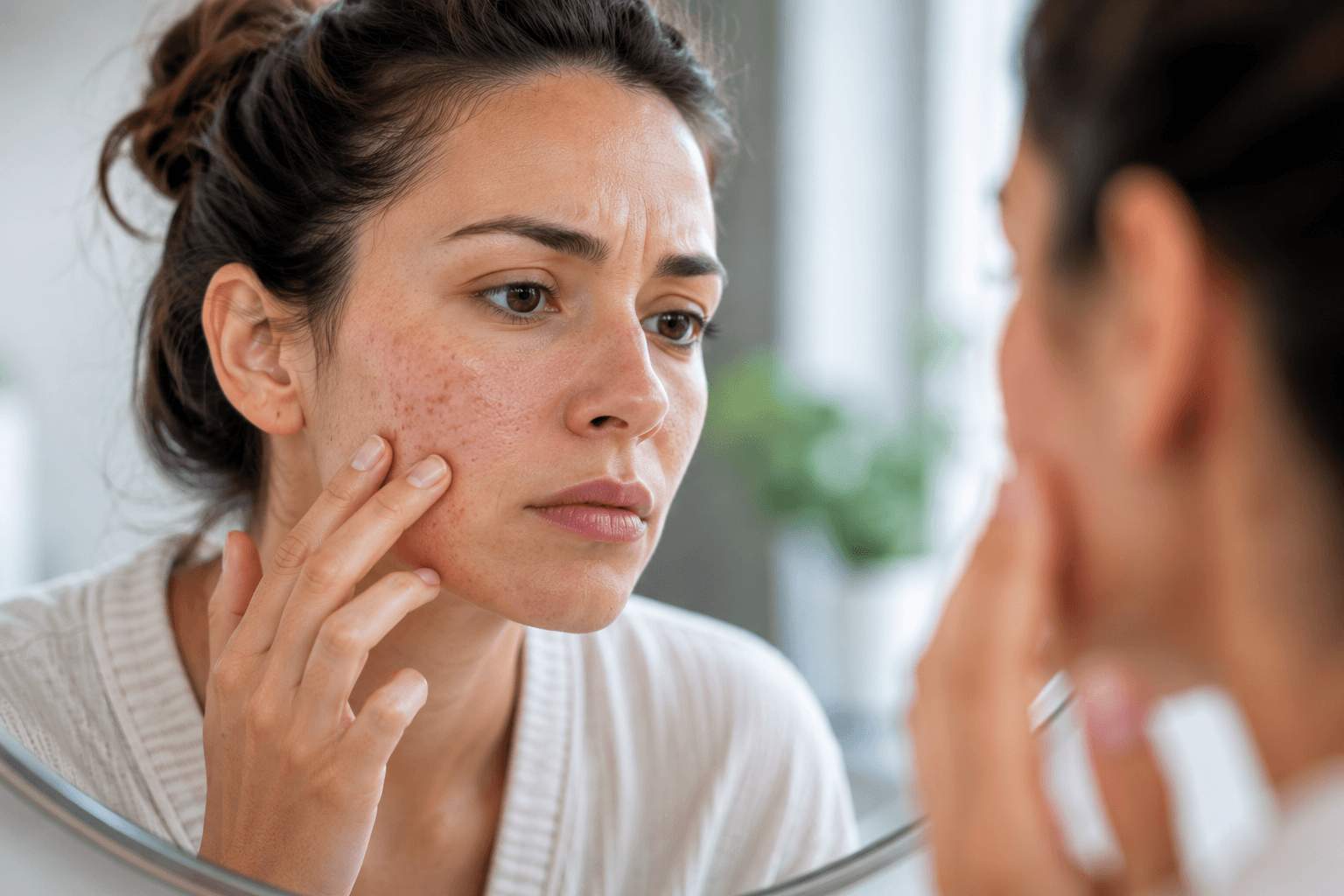
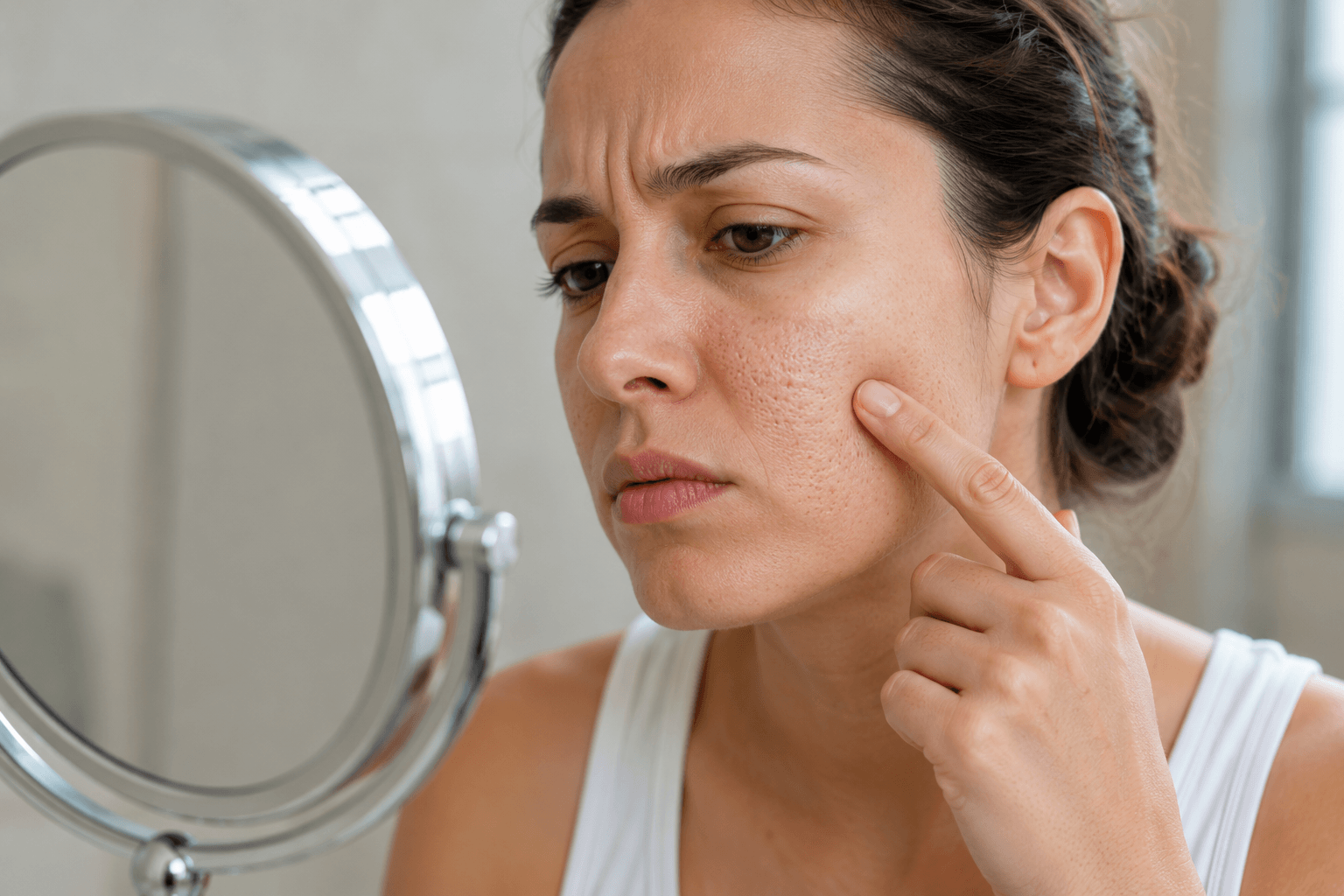
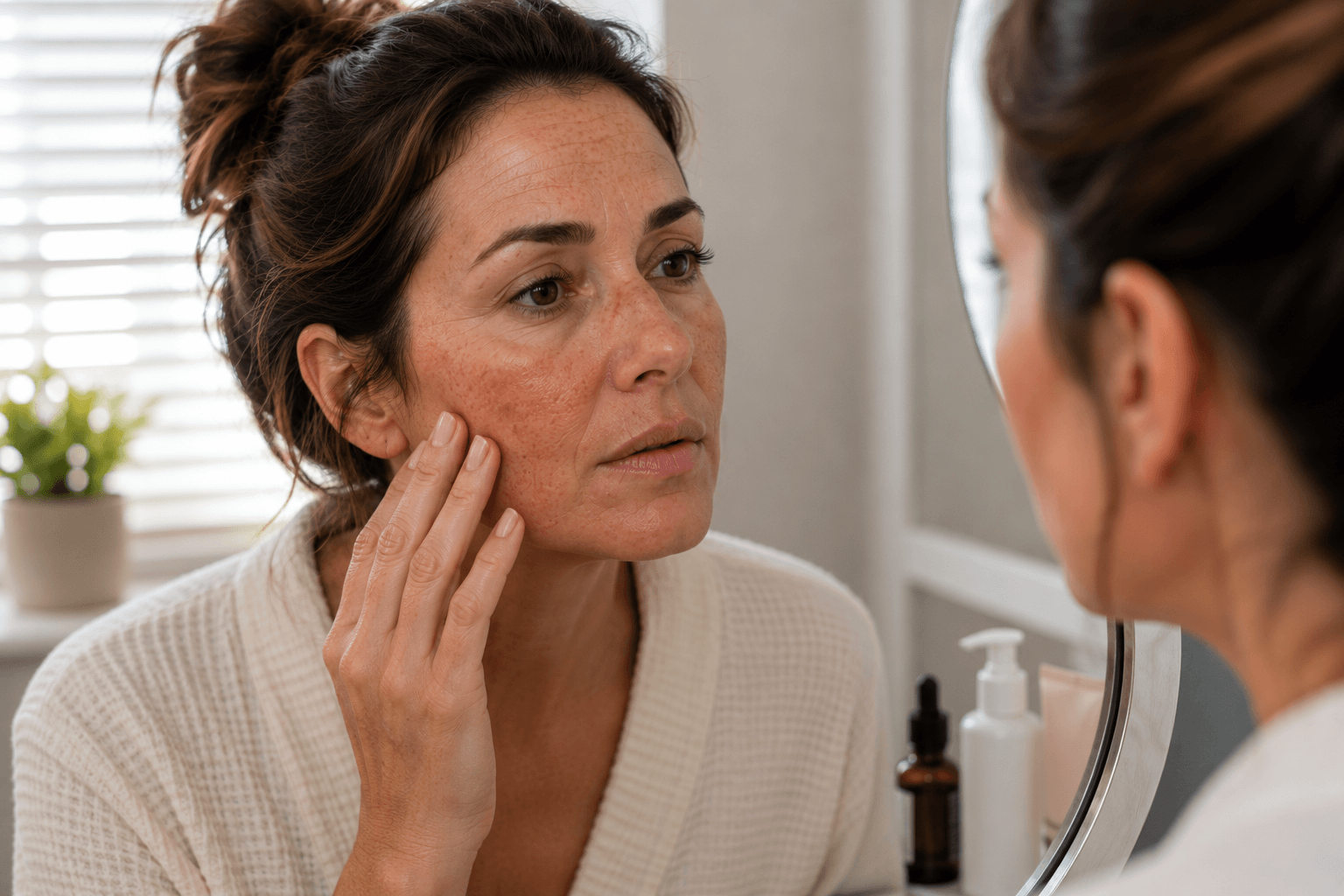
Many women first notice a hollow or tired look in their cheeks or temples during their 40s and 50s. Our article on why the face can look hollow or tired explains the changes behind this, including collagen loss and shifts in facial fat. Sculptra can be a good fit when the goal is gradual restoration rather than an instant change.
Because Sculptra takes time, planning matters. A few practical tips:
Sculptra works with your body's natural collagen, so the way you care for your skin can influence how well results hold up over time. A few habits make a real difference:
Because Sculptra changes are gradual, your follow-up visits are also a good time to review progress with your provider and fine-tune the plan.
Sculptra is not right for everyone. Share your full medical history with your provider, including any allergies, skin conditions in the treatment area, past reactions to injectables, pregnancy, or breastfeeding. Mention any blood-thinning medications or supplements as well, so your provider can decide whether Sculptra is a safe fit.
Like any injectable, Sculptra carries risks. Possible effects include swelling, bruising, tenderness, and small bumps or nodules under the skin. The FDA notes that accidental injection into a blood vessel is the most serious risk associated with injectable fillers, which is why experience and technique matter so much.
Sculptra is FDA-approved for specific facial uses, and some areas may be treated off-label based on a provider's clinical judgment. Your provider should explain which applies to your treatment plan.
Early fullness after treatment is mostly temporary swelling. Visible improvement from new collagen typically develops gradually over several months, with results continuing to build after your final session.
Many patients need two to three sessions spaced about four to six weeks apart. The exact number depends on the degree of volume loss and your goals, which your provider will assess during your consultation.
Most people tolerate it well. You may feel pressure and brief stinging. Your provider can discuss comfort options before treatment.
Often, yes. Sculptra focuses on gradual volume and support, while neuromodulators address movement-related lines and hyaluronic acid fillers offer more immediate shaping. Your provider can create a combined plan if it suits your goals.
Because it works with your body's own collagen over time, Sculptra is known for gradual, subtle-looking results. The final outcome depends on your anatomy, the treatment plan, and your provider's technique.
Sculptra rewards patience. The weeks right after treatment may feel uneventful, but the real work is happening beneath the surface, and the result is a refreshed look that develops on your own timeline.
Patients from McMurray and nearby communities visit us at 3515 Washington Road, Suite 554, in Canonsburg. Learn more about our Sculptra treatments, or contact our team to schedule a consultation and map out a timeline that fits your life.

Start your skincare journey with $50 off your first visit when you spend $200 or more. From glowing facials to advanced laser treatments, our team is here to help you look and feel your best.