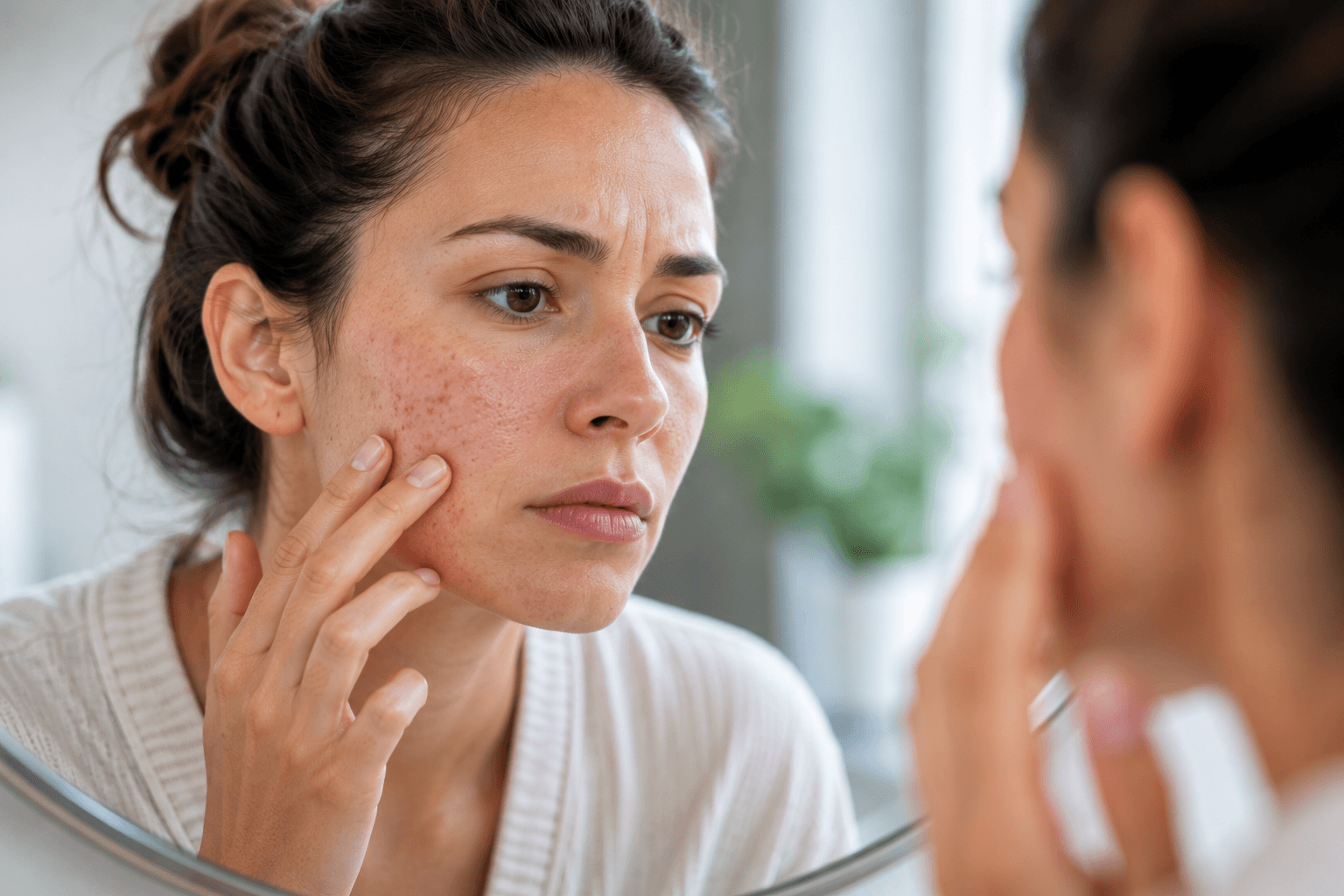
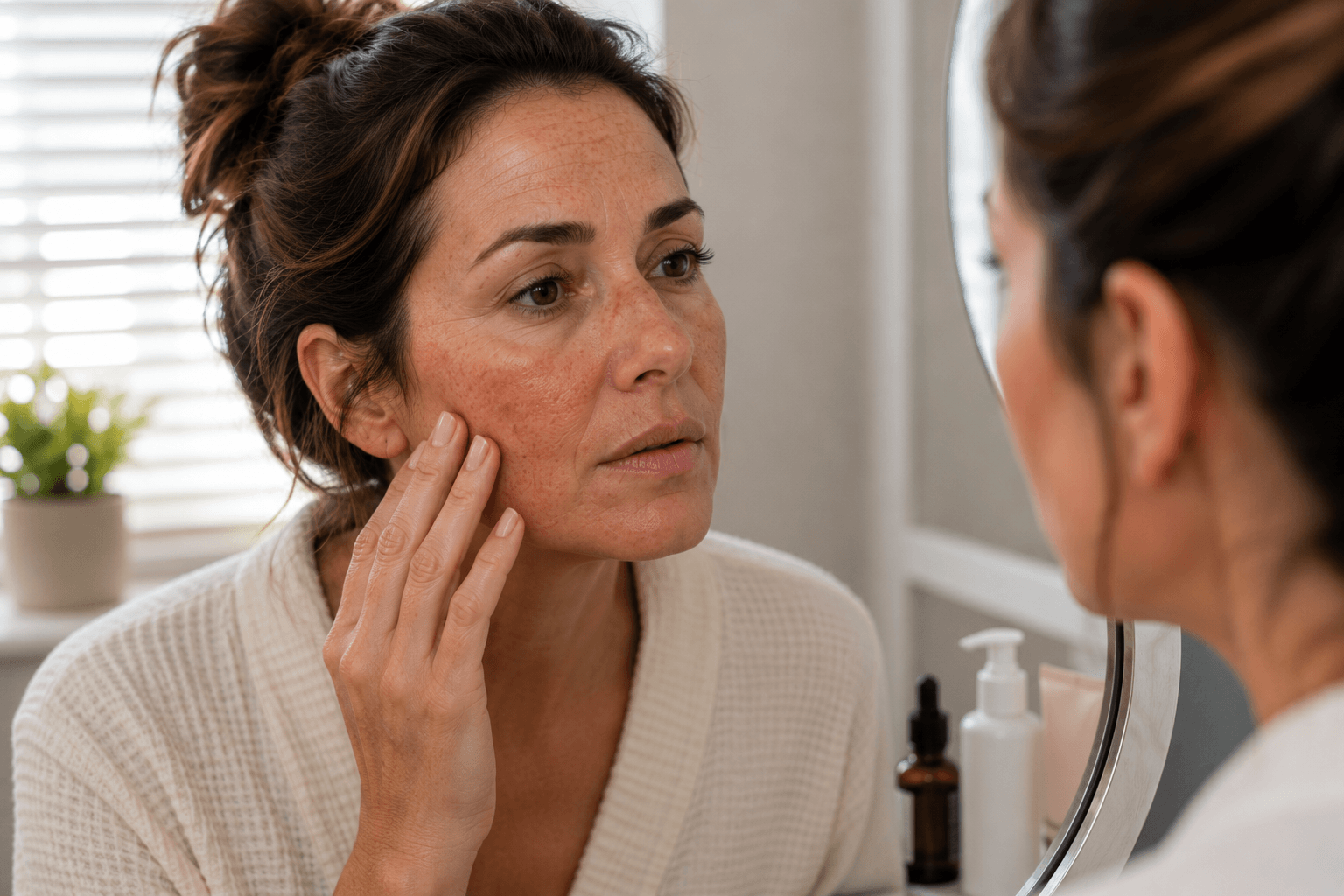
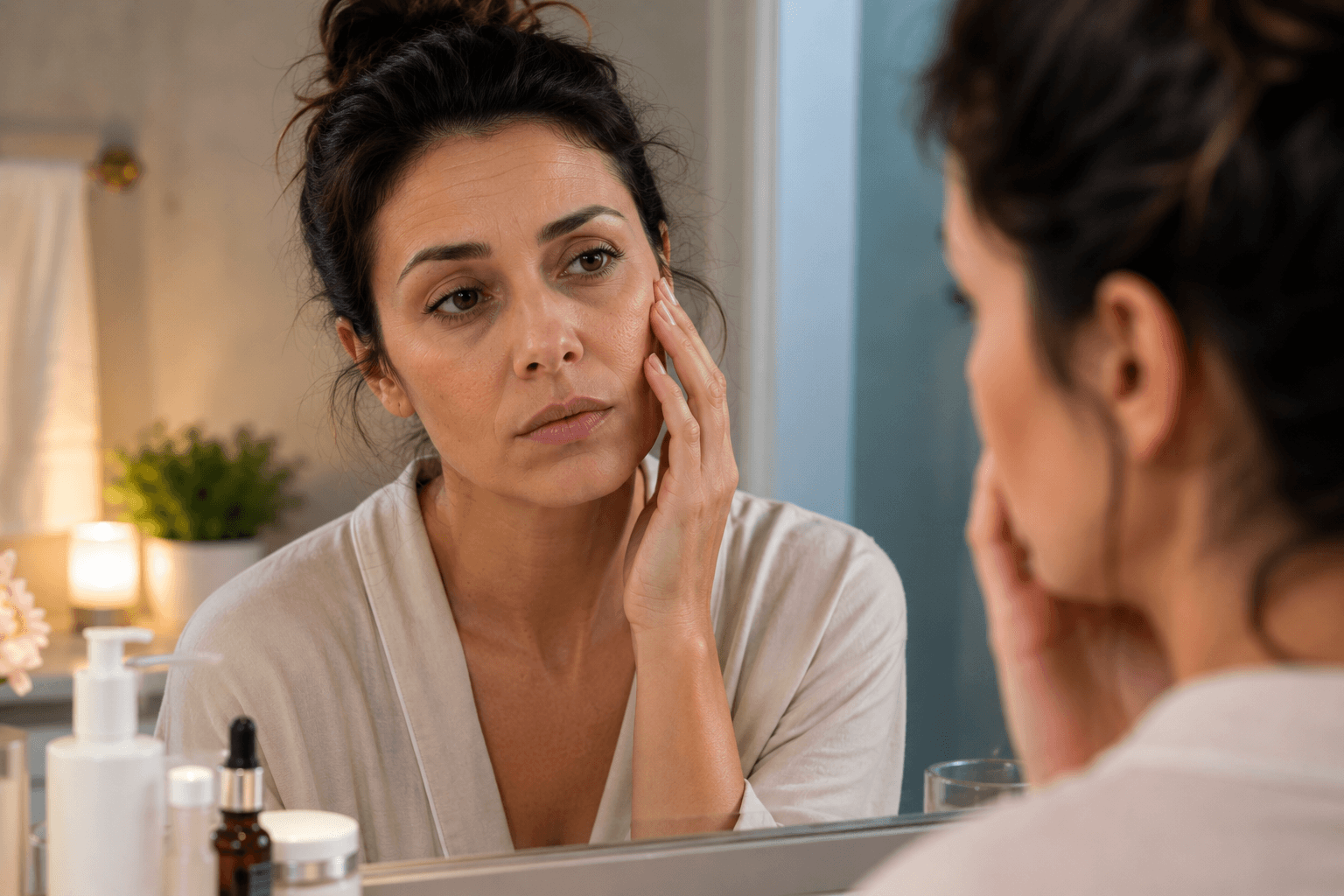
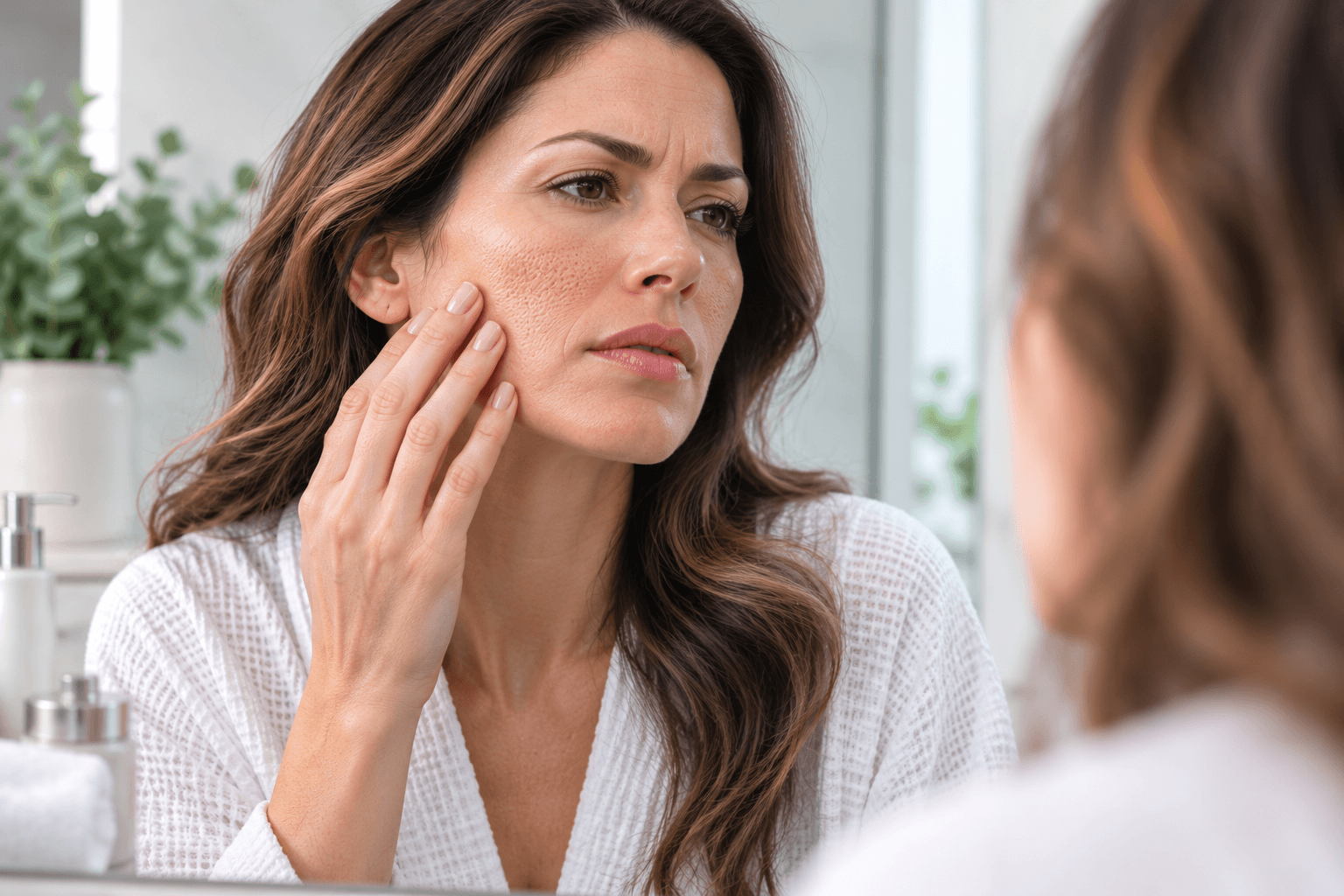
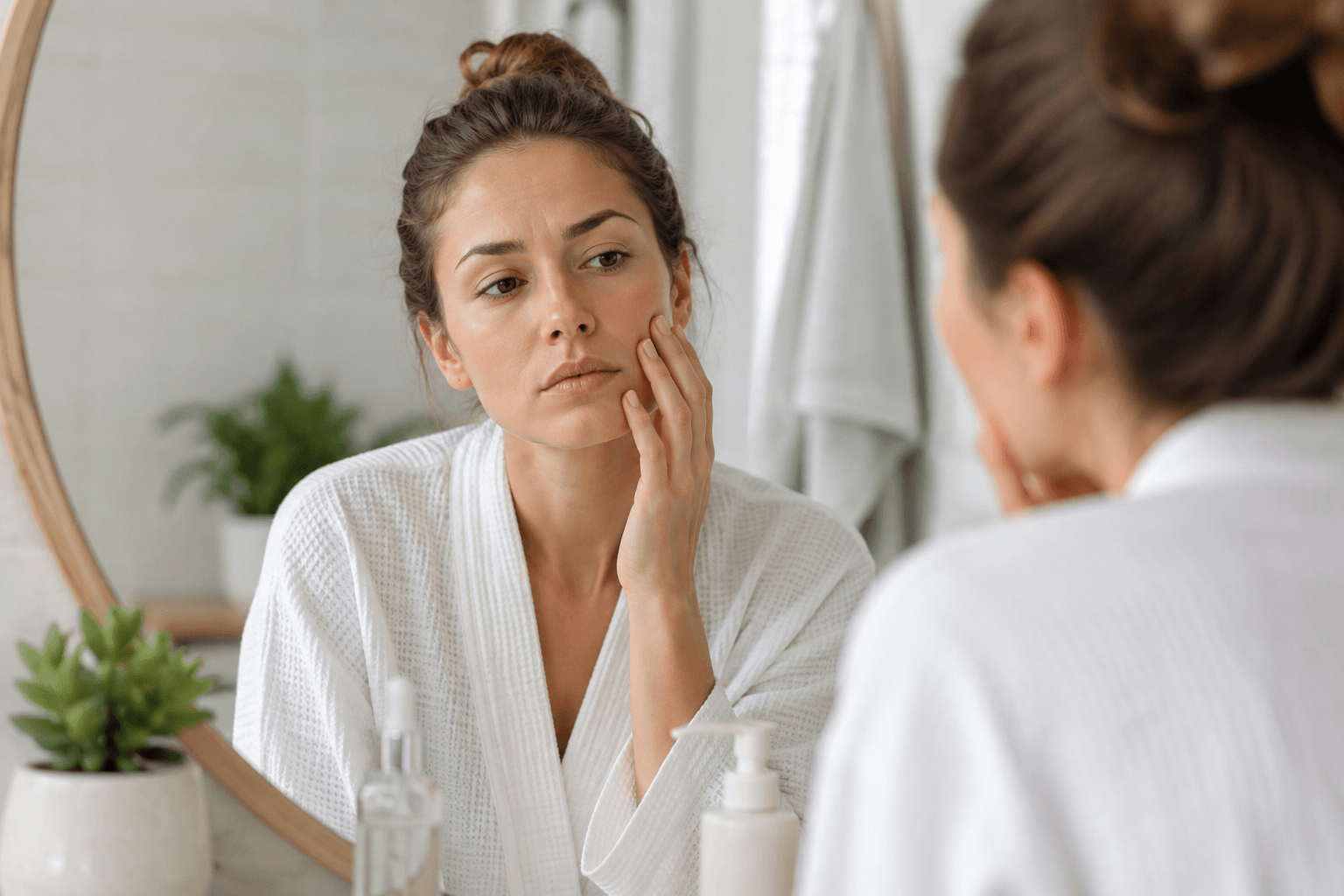
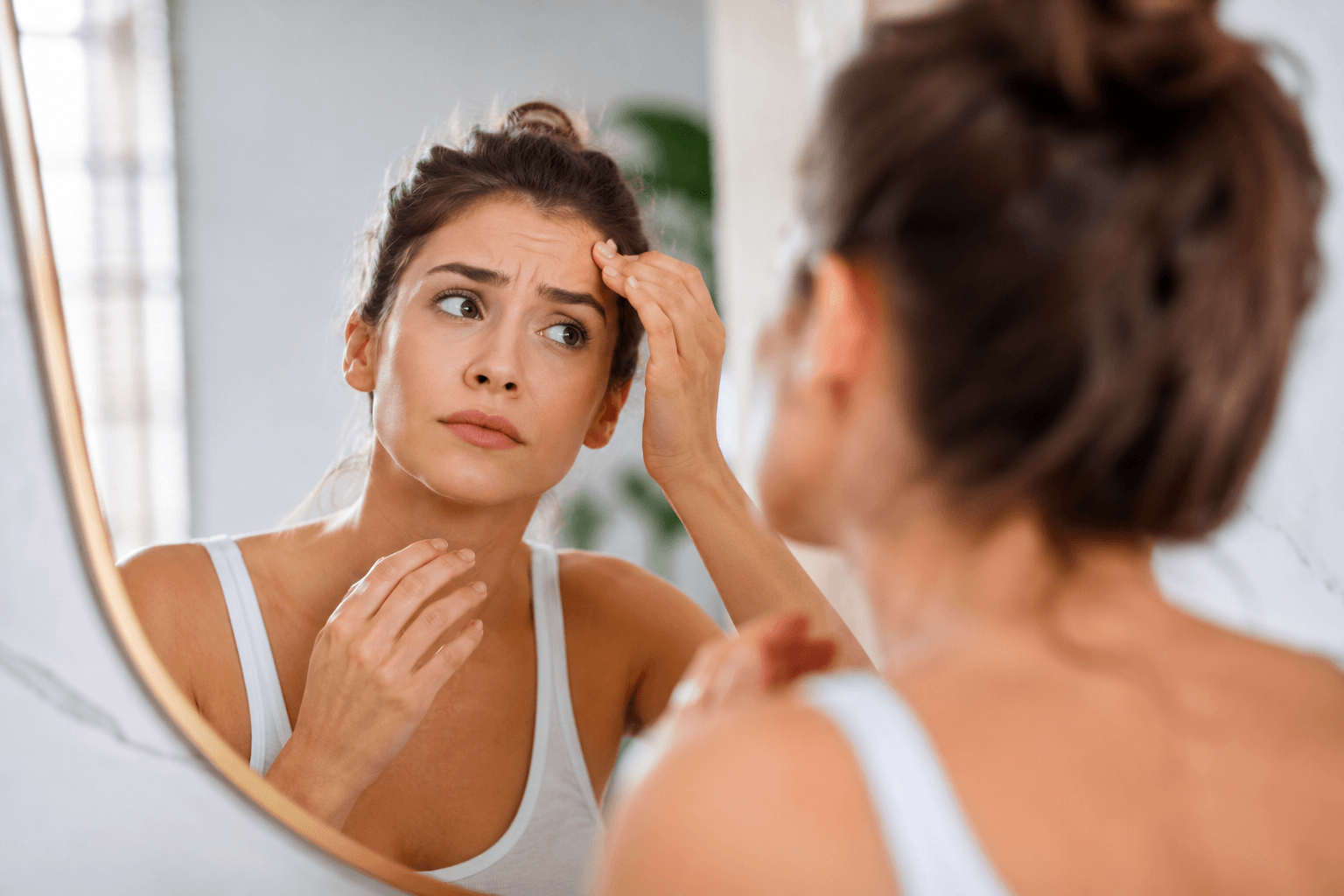
You wash your face, moisturize, wear your SPF, and do everything right, yet the photos still tell a different story. Patches of redness here, a dull, uneven cast there, maybe a faint brown mark left behind from a pimple that healed months ago. It is one of the most common and most frustrating skin concerns we hear about at our McMurray med spa, and it has nothing to do with how well you are caring for your skin. It has everything to do with what is happening underneath it.
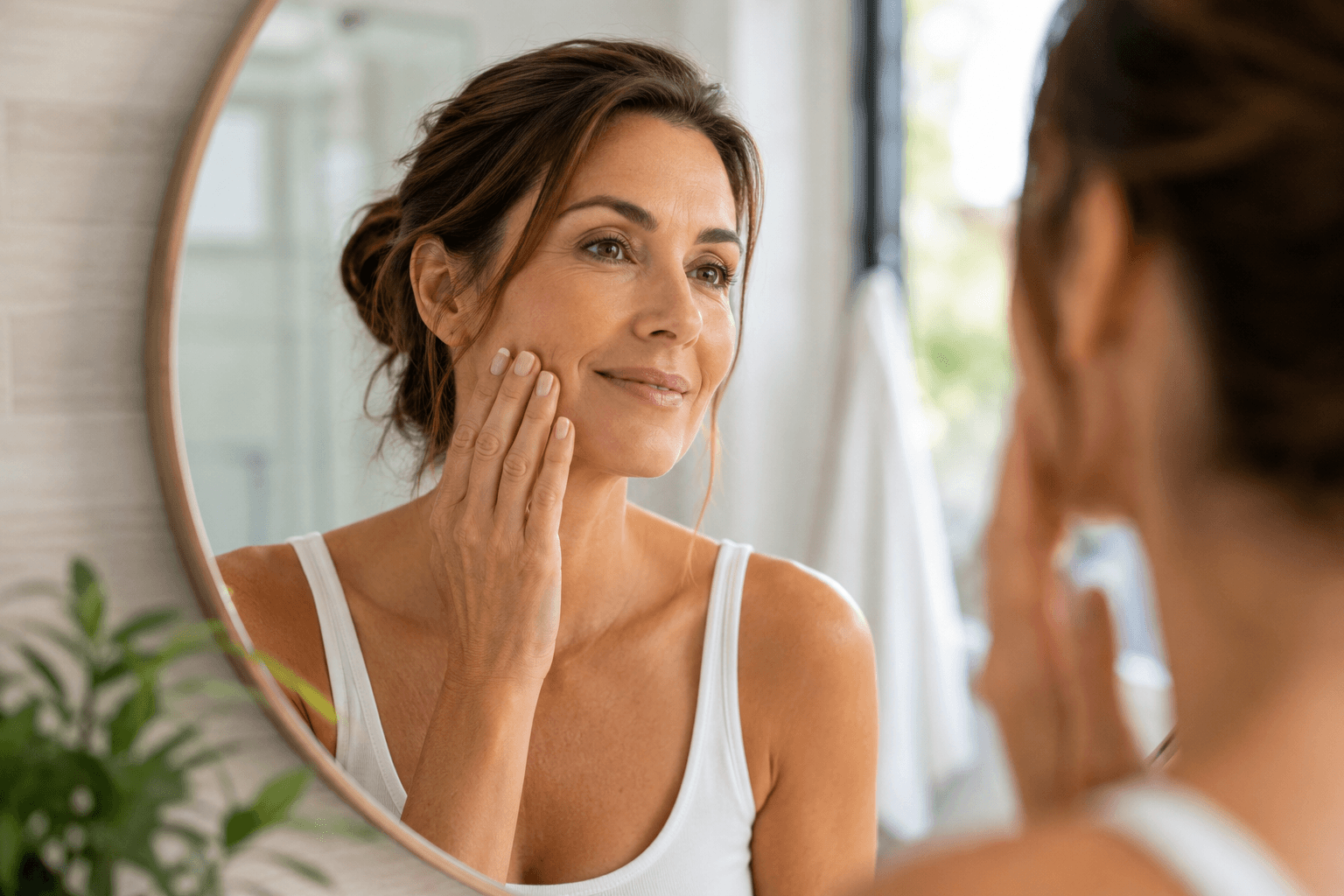
If you have ever looked in the mirror in good lighting and thought "why does my skin look patchy instead of smooth and even," you are not alone, and you are not imagining it. This is one of the most searched skin concerns among adults in their 30s, 40s, and beyond, and it is also one of the most misunderstood. Updated for August 2026, this guide breaks down what causes uneven skin tone and blotchiness, and how SkinPen in McMurray is helping local clients get their skin looking clearer, brighter, and more consistent from one area of the face to the next.
Uneven skin tone is not one single thing. It is really an umbrella term for several overlapping issues that all show up the same way: a complexion that looks inconsistent from one spot to the next, even when your skin feels smooth to the touch.
Some areas of the face appear pink or red while others look sallow or dull. This kind of unevenness often becomes more noticeable in natural light or on camera, which is exactly why so many people in McMurray and Canonsburg start researching solutions after seeing themselves in photos or on video calls.
That reddish or brownish mark that stays behind after a pimple, bug bite, or bit of irritation has healed is called post-inflammatory pigmentation. It is not a scar in the textural sense (no bumps, no indentations), but it absolutely affects how even your skin tone looks.
This is the one that confuses people the most. Your skin does not feel rough, you do not have visible bumps or acne, yet it still looks tired, flat, or uneven. That disconnect between how your skin feels and how it looks is a strong clue that the issue is happening at a deeper, cellular level rather than on the surface.
Understanding the "why" helps explain why so many surface-level products fall short of fixing the problem.
Melanin is the pigment responsible for your skin's color. When it is produced evenly, skin tone looks consistent. When certain areas produce more melanin than others (often triggered by inflammation, hormonal shifts, or simply the natural aging process) you end up with patches that appear darker or more pronounced than the surrounding skin.
Any time skin experiences inflammation, whether from a breakout, a scratch, an insect bite, or even aggressive extractions, the skin can respond by producing extra pigment in that exact spot as part of its healing process. This is especially common in skin that tends to run more reactive or sensitive, and the marks can linger for months if nothing is done to encourage healthier turnover.
In your 20s, skin cells turn over roughly every three to four weeks, constantly shedding older, discolored cells and replacing them with fresh ones. As we move into our 30s, 40s, and beyond, that cycle slows down significantly. Older, pigmented cells stick around longer, dead skin builds up, and the result is a complexion that looks duller and less uniform, even in the absence of any new irritation.
Inconsistent SPF use, over-exfoliating, hormonal fluctuations, and even stress can all contribute to how your skin manages pigment and repair. None of these are anyone's "fault," but they help explain why uneven tone tends to build gradually rather than appear overnight.
Brightening serums, vitamin C, and gentle exfoliants absolutely have a place in a good skincare routine, and we always encourage clients to keep up with a solid at-home regimen. But topical products work only on the surface layer of skin. They cannot reach the deeper layers where new collagen is built and where the skin's renewal cycle truly resets.
This is where a professional, in-office treatment can make a meaningful difference, especially for tone concerns that have been building for a while.
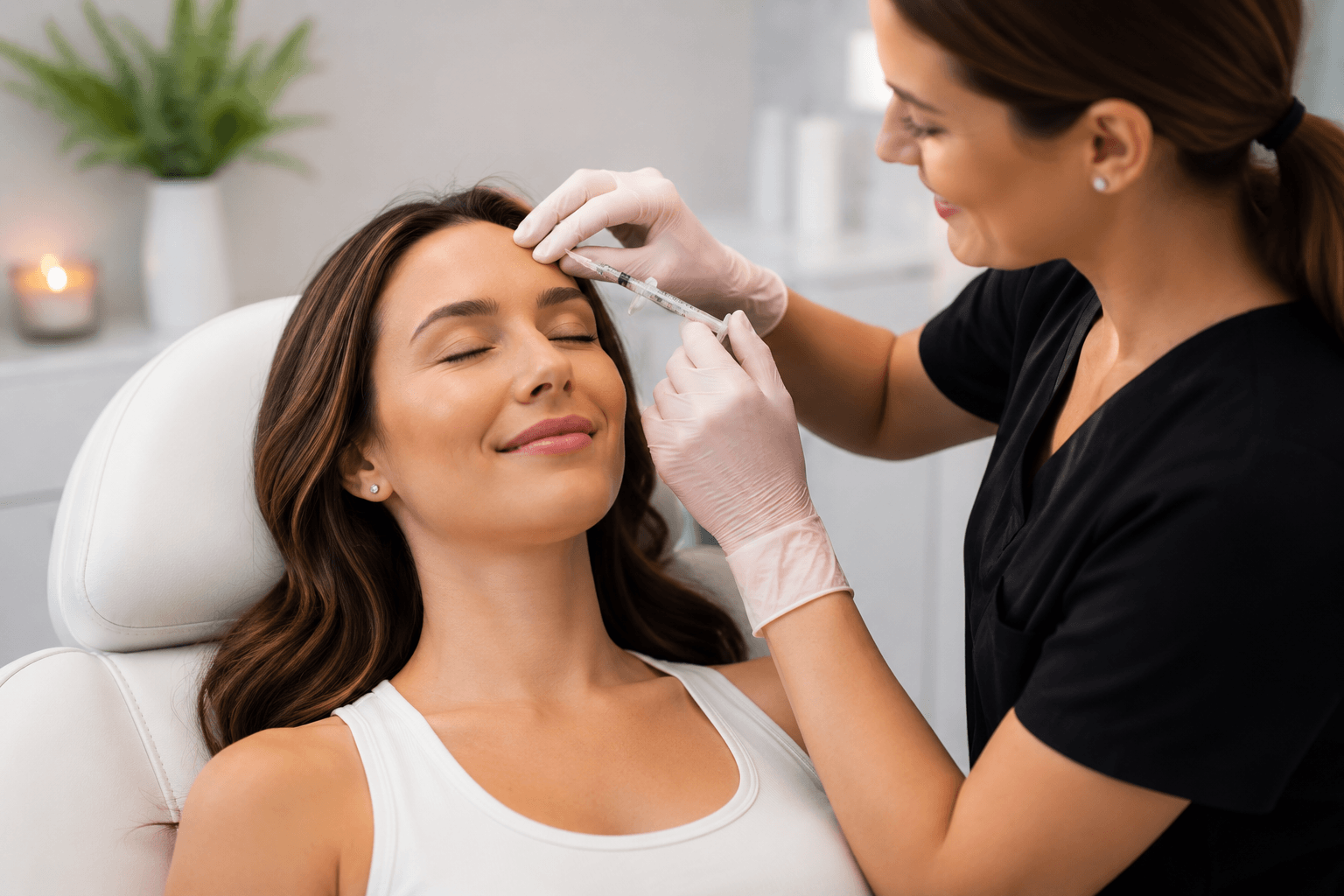
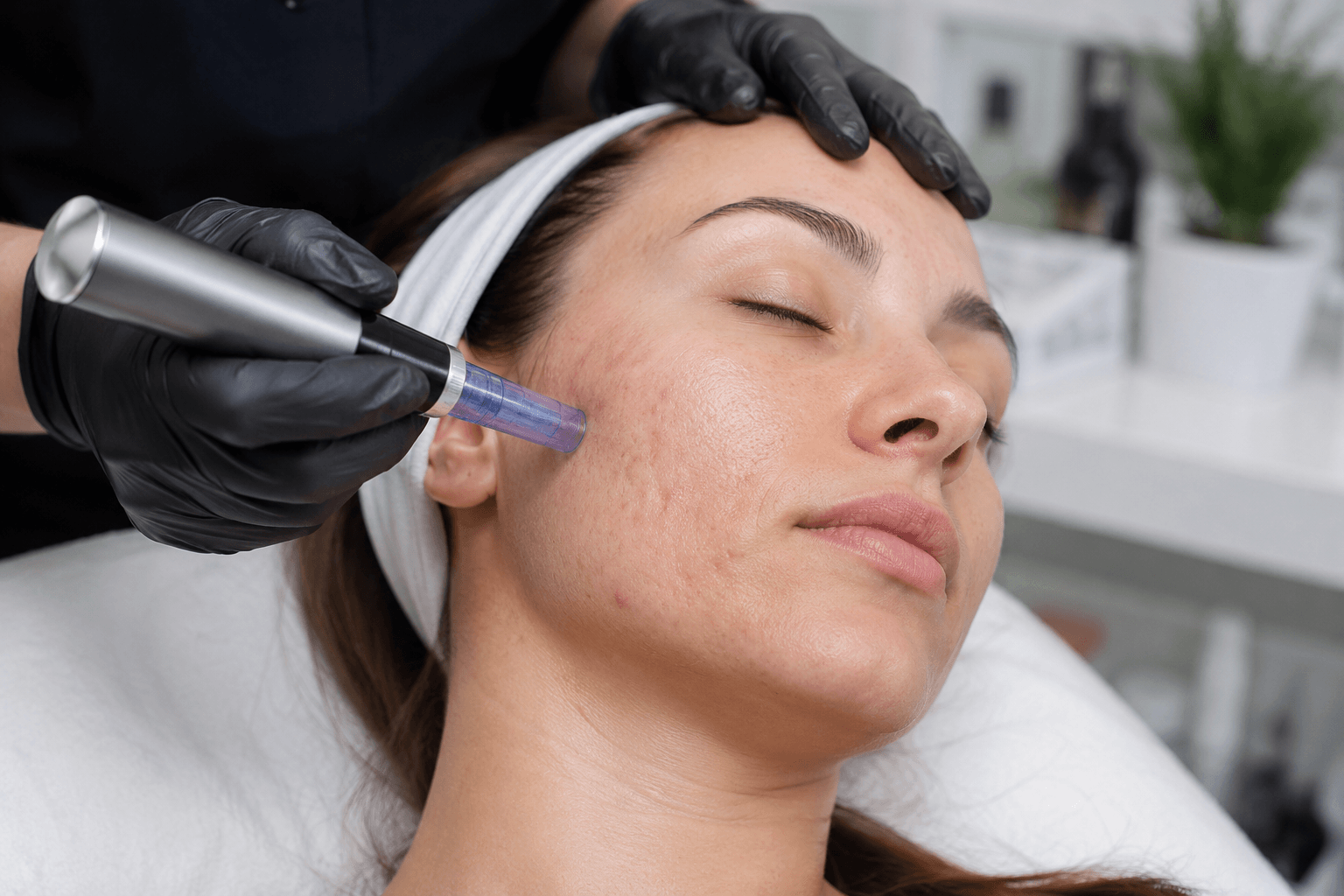
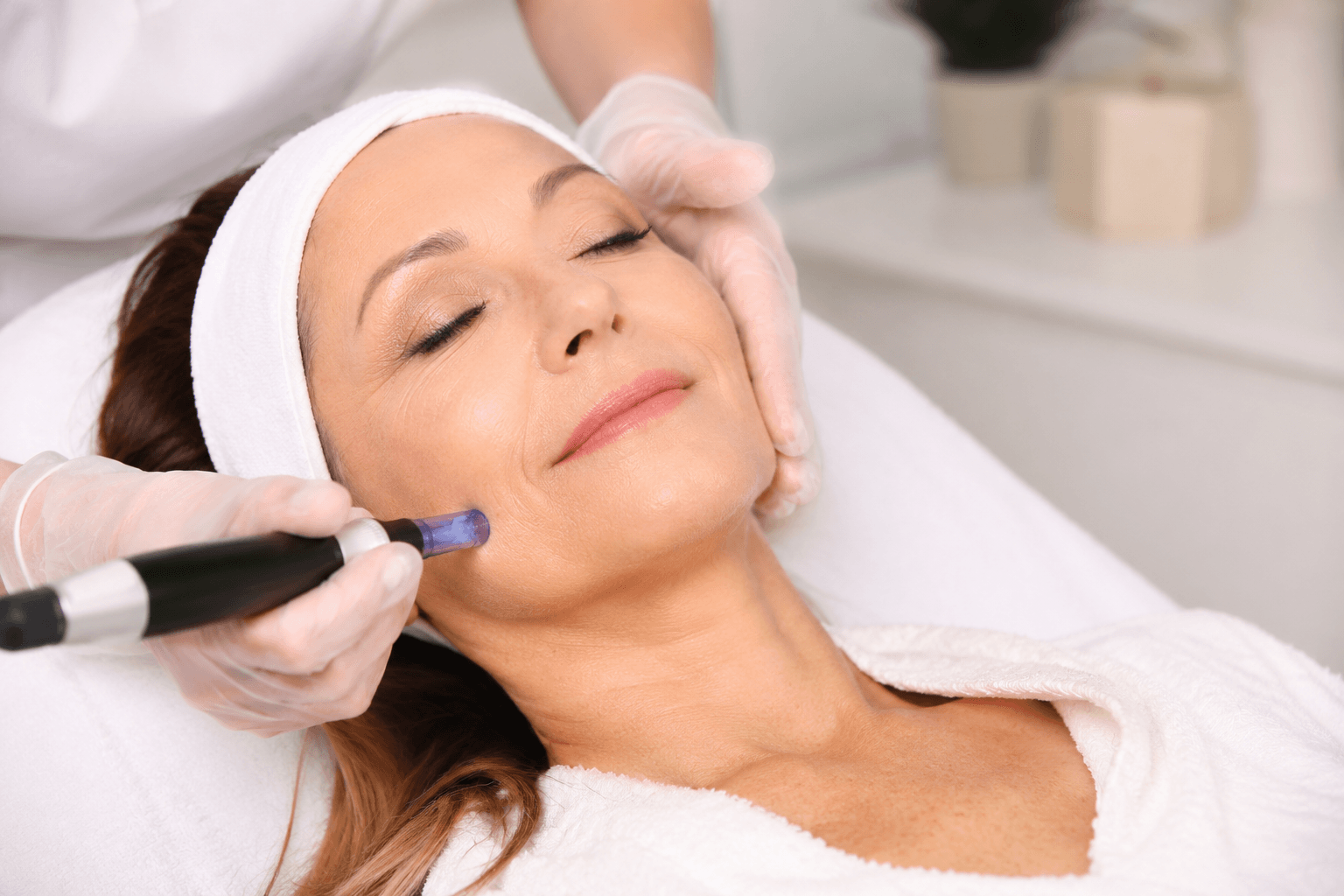
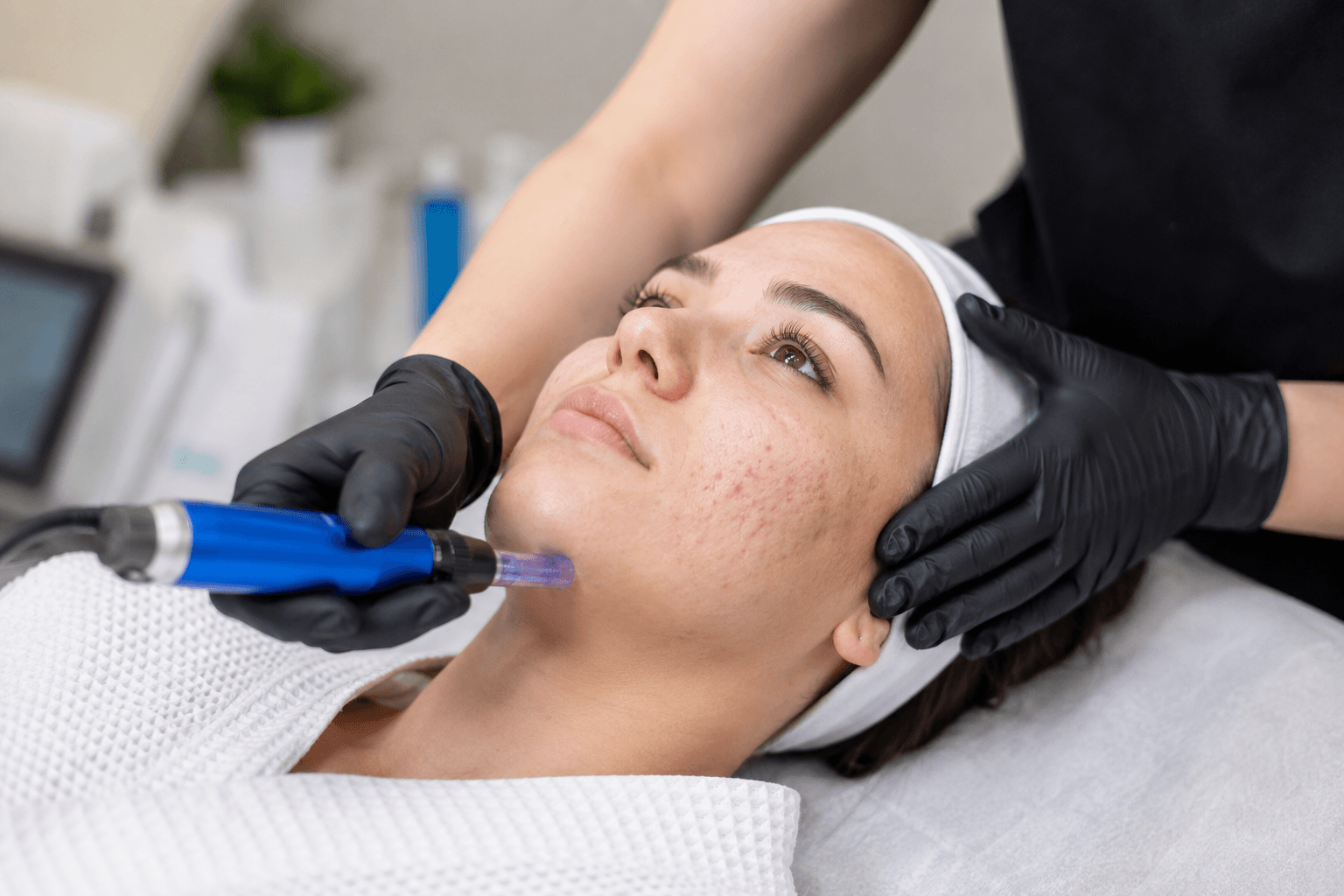
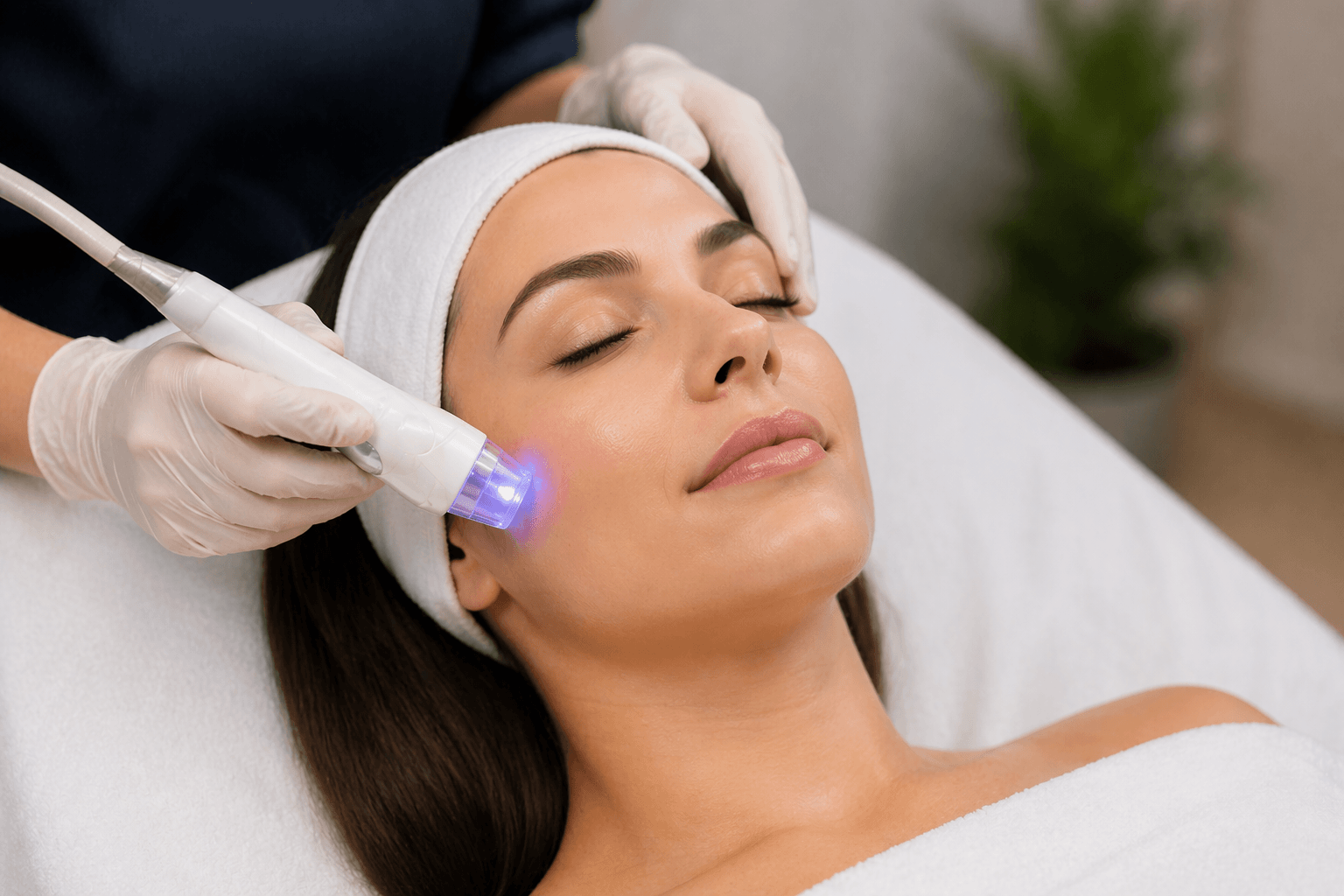
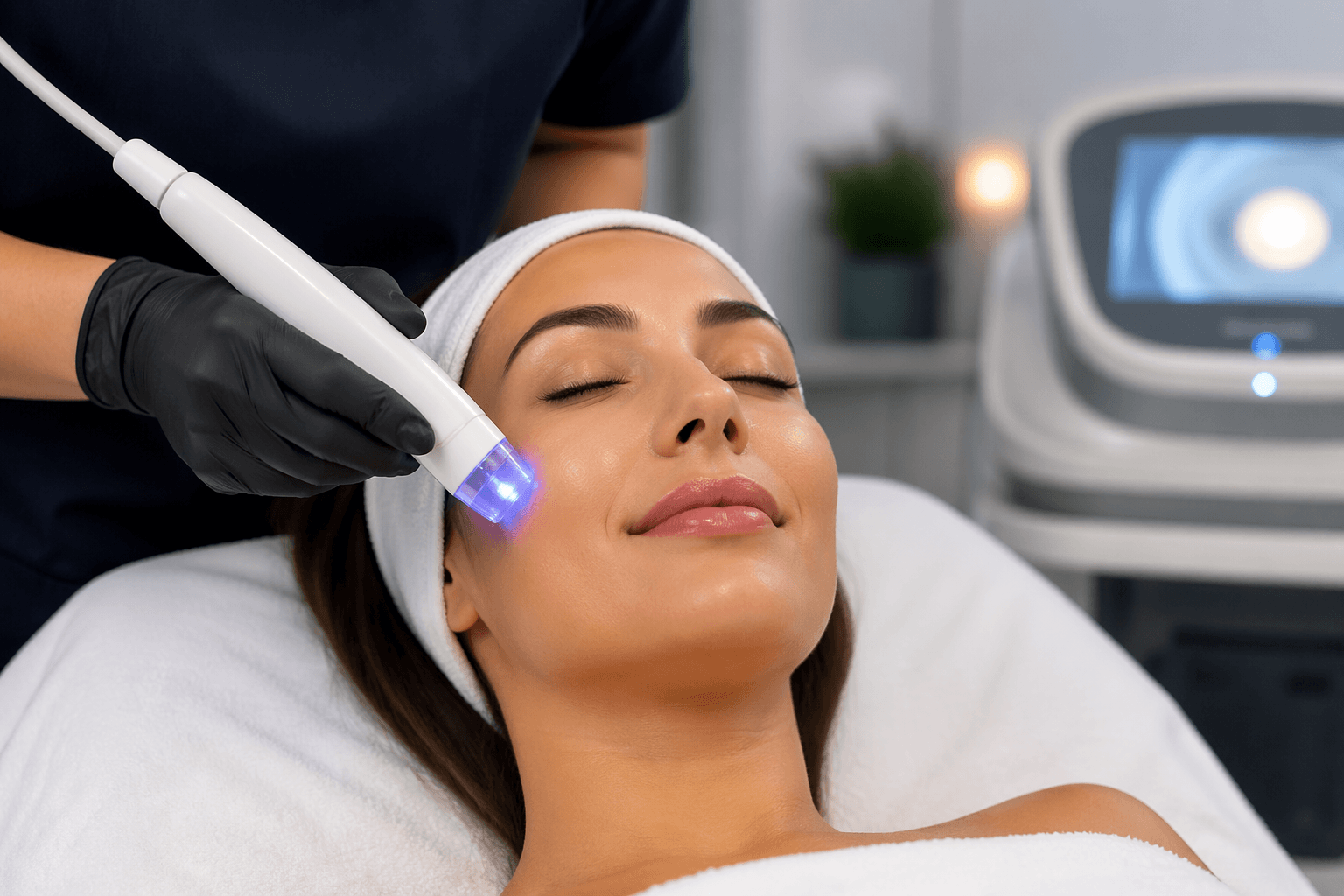
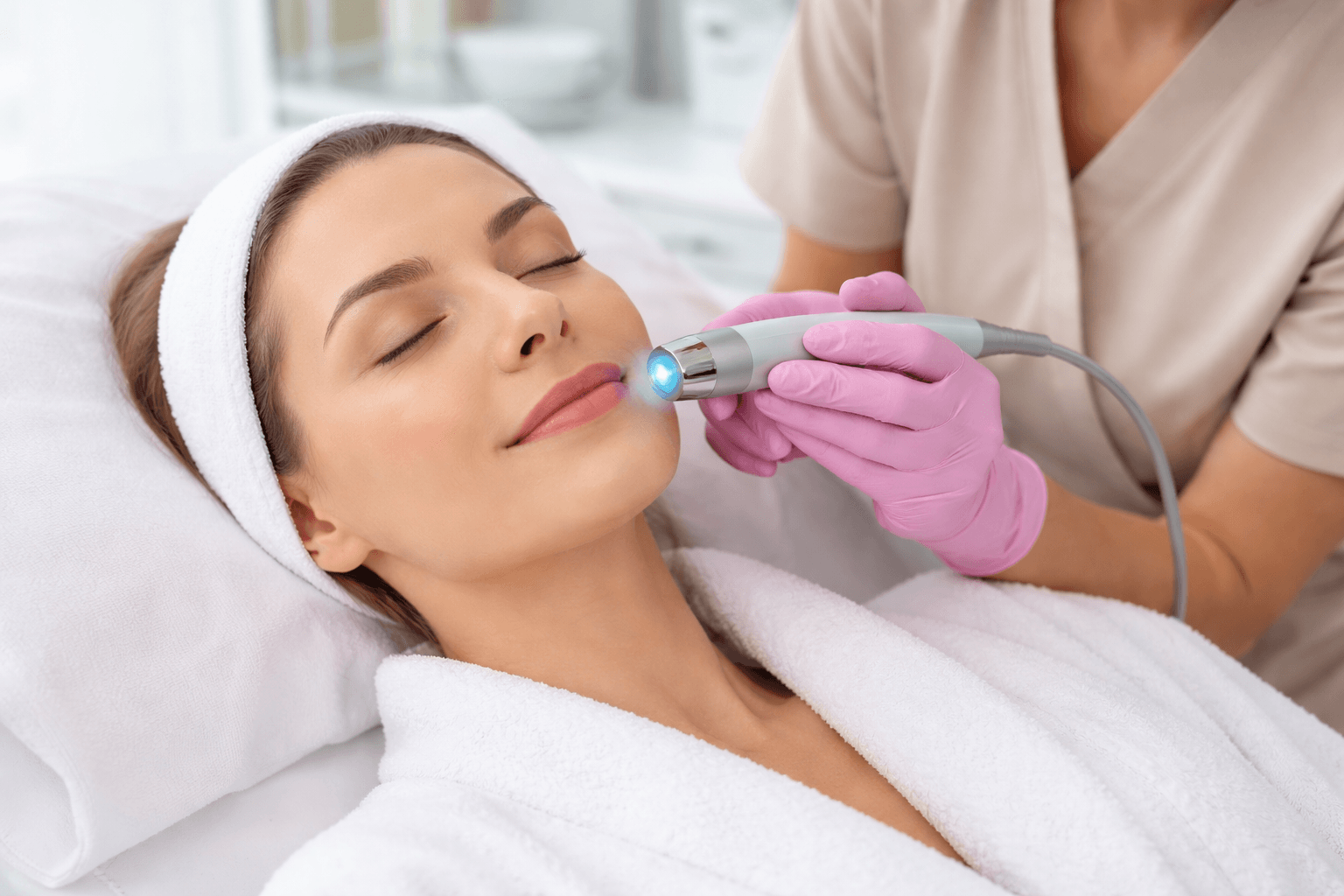
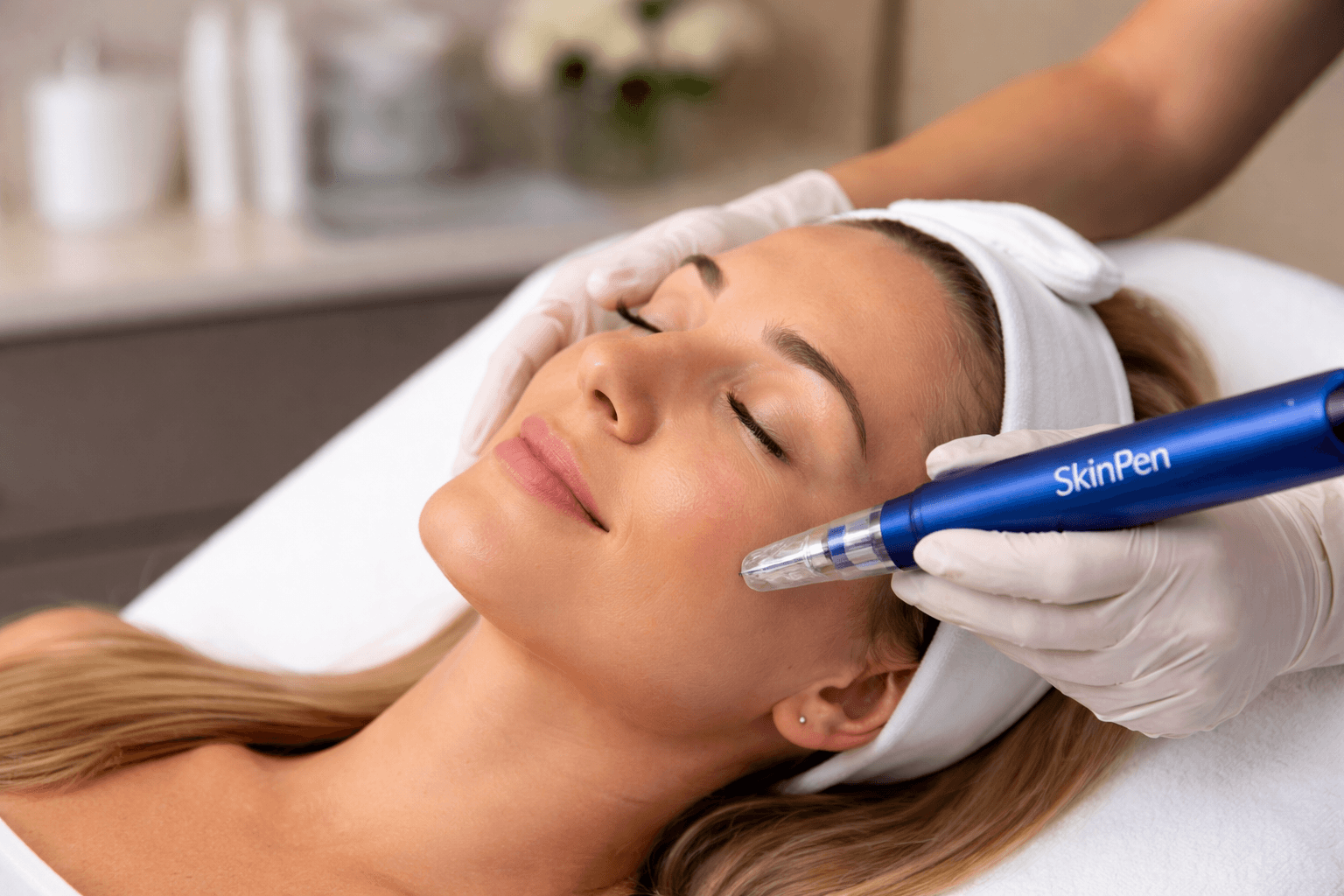
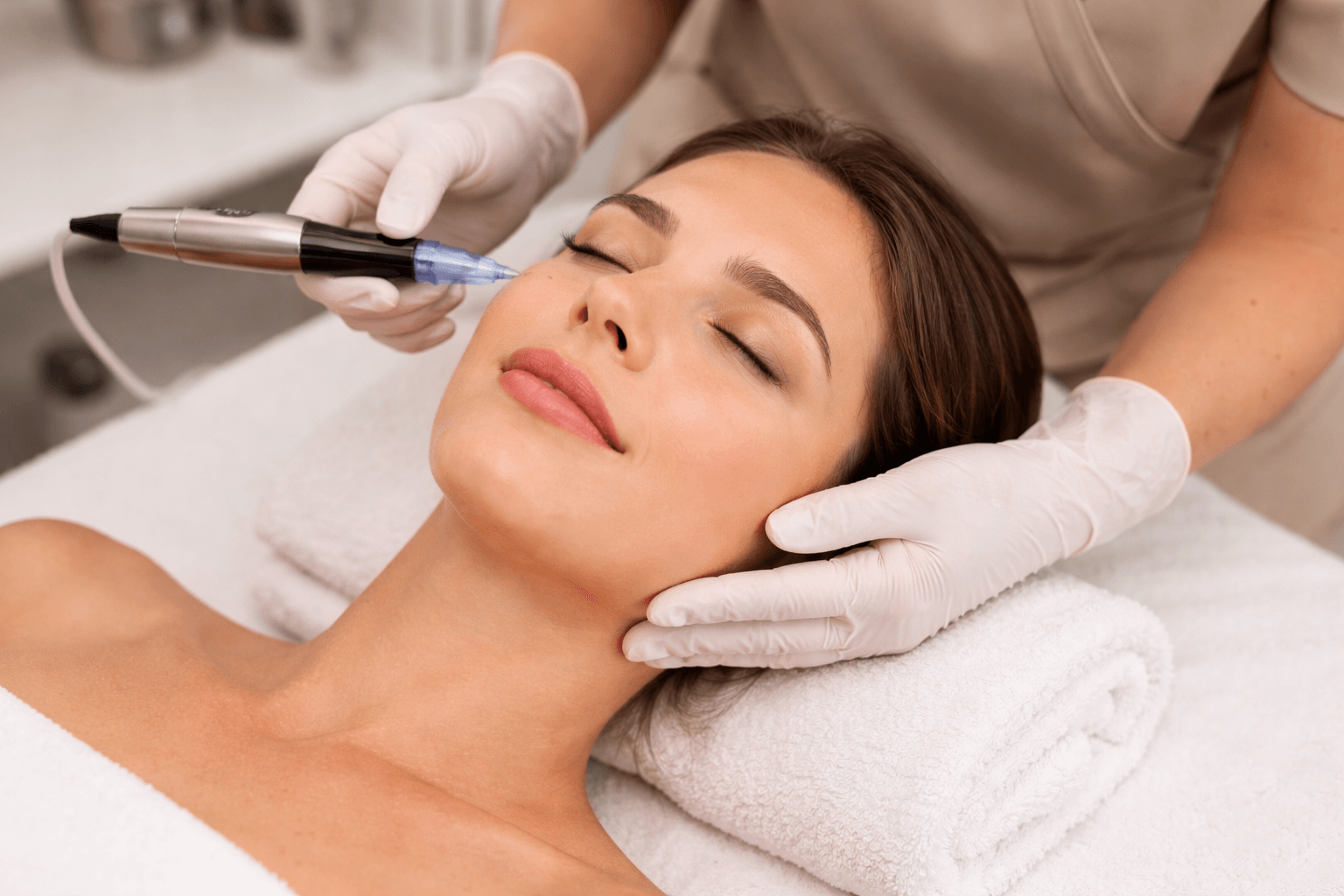
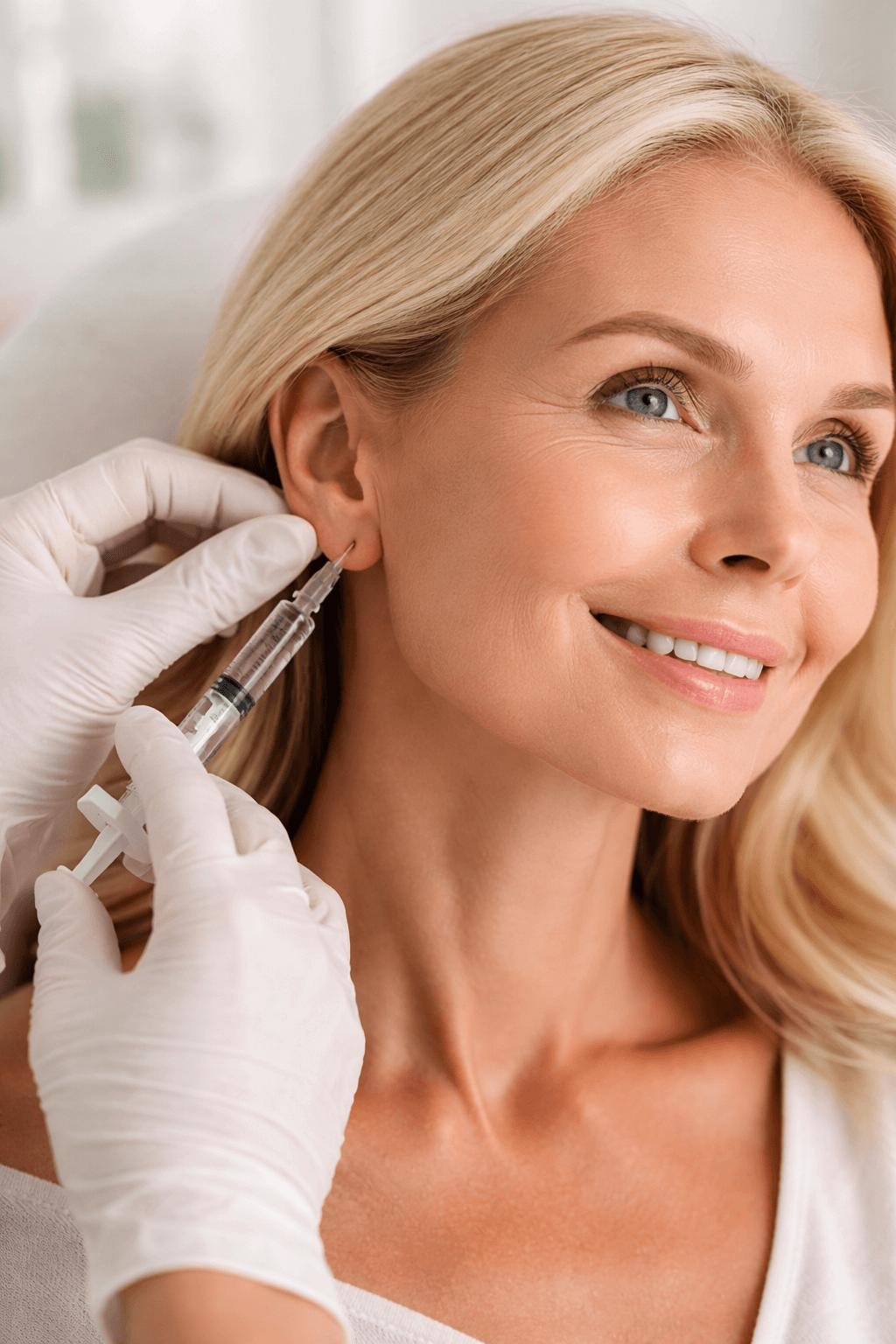
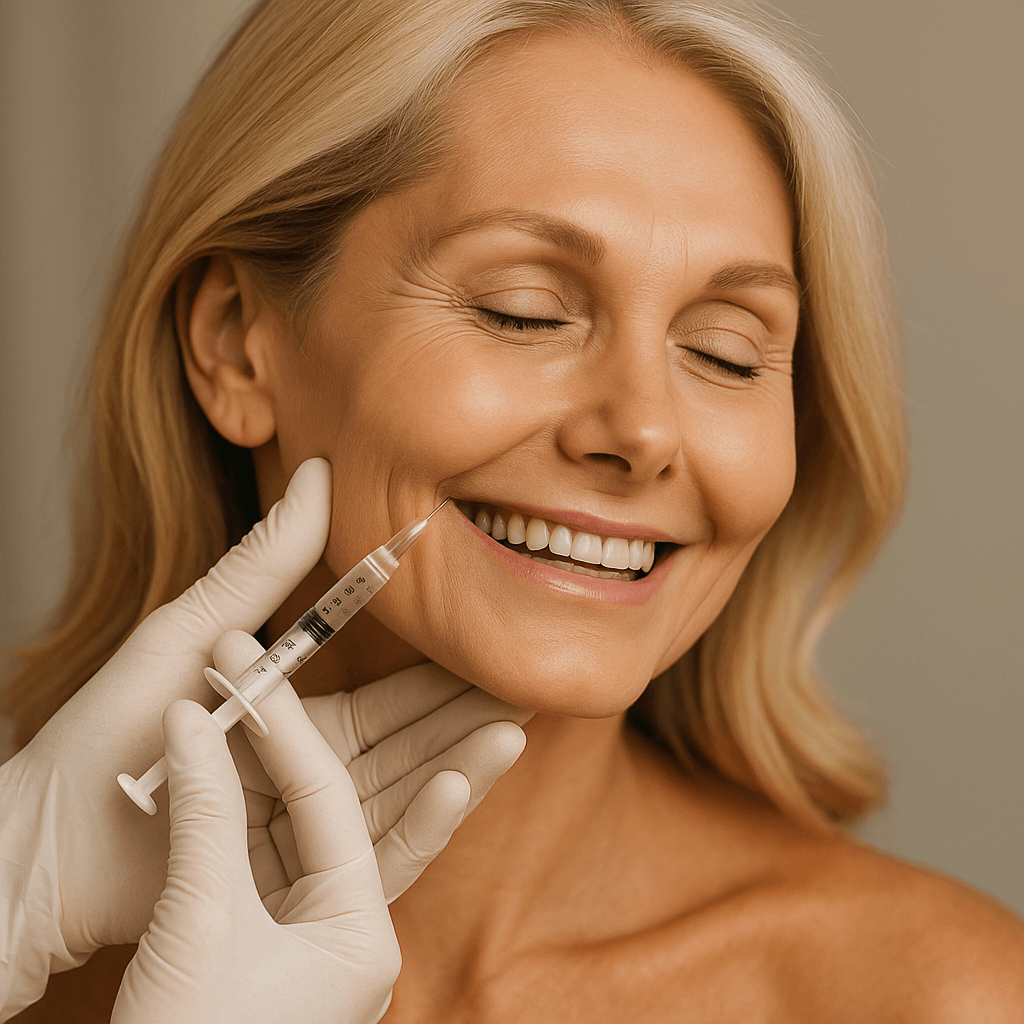
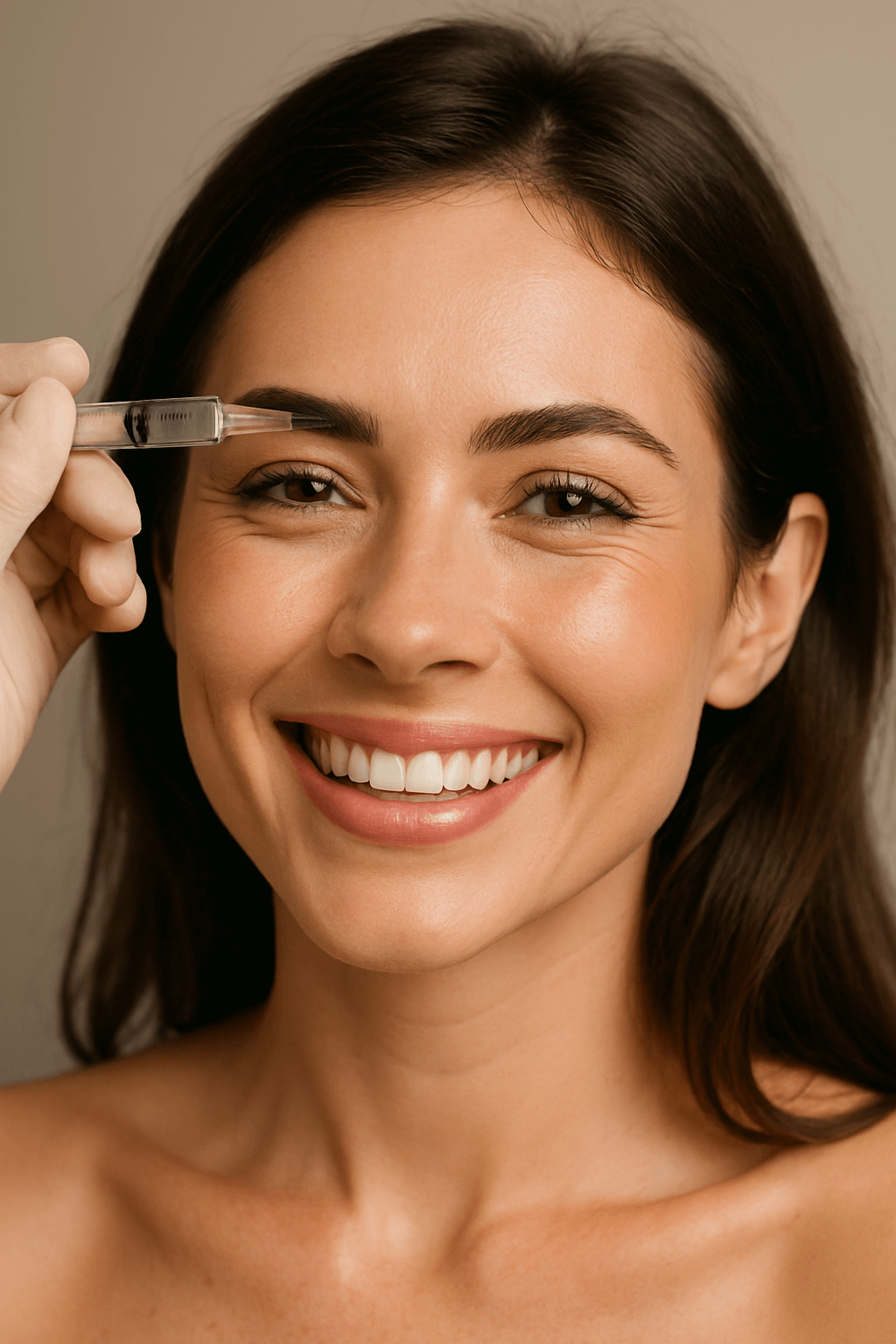
SkinPen is an FDA-cleared microneedling device that creates a series of extremely fine, controlled micro-channels in the skin. Rather than removing layers of skin the way some resurfacing treatments do, SkinPen works by prompting your body to do what it naturally does best: repair and rebuild.
That controlled response encourages:
Many clients tell us that what they notice first is not a single dramatic transformation, but a gradual sense that their skin looks "clearer" and "more like itself" again, with fewer patches pulling focus away from an otherwise healthy complexion. Because SkinPen microneedling works with your skin's own repair process rather than against it, the results tend to look natural rather than overdone.
If you are curious about the treatment itself, our full SkinPen page walks through what a session looks like from start to finish.
We are often asked about this at our McMurray practice, since we offer both. Traditional microneedling with SkinPen focuses purely on the mechanical micro-channel process to trigger collagen and support even renewal, which makes it a great fit for tone and mild texture concerns. Our RF microneedling service adds radiofrequency energy into the mix, which is typically better suited for firmness and deeper textural concerns. During a consultation, we will help you decide which approach lines up best with your specific goals, since the two treatments, while related, are not interchangeable.
Clients who are good candidates typically:
A quick conversation with our team is the easiest way to find out if SkinPen is the right next step for your skin.
Uneven skin tone is deeply personal, and it deserves a treatment plan that is just as individualized. At our McMurray, Pennsylvania location, we take the time to understand what is actually driving your specific concern before recommending a path forward. Whether you are coming to us from McMurray itself or driving over from Canonsburg, our goal is the same: help you feel confident in your skin again, without gimmicks or one-size-fits-all promises.
You can browse our full menu of services or head to our homepage to learn more about who we are and how we approach skin health in the South Hills community.
How many SkinPen sessions does it take to see an improvement in skin tone? Most clients begin noticing changes after two to three sessions, though a full series is often recommended for the most noticeable and lasting improvement in tone and texture.
Does SkinPen hurt? A topical numbing agent is applied before treatment, so most clients describe the sensation as mild pressure or vibration rather than pain.
Is SkinPen safe for darker skin tones that are prone to post-inflammatory marks? Yes, SkinPen is generally considered a safe option across a wide range of skin tones since it works mechanically rather than relying on heat or light, which can be a concern for pigment-prone skin with some other treatments.
How long is recovery after SkinPen microneedling? Most people experience redness similar to a mild sunburn for one to three days, with makeup typically safe to resume within a day or two depending on your skin's sensitivity.
Can SkinPen in McMurray help with both tone and texture at the same time? Yes, many clients see improvements in both areas since the collagen stimulation and improved cell turnover that even out tone also tend to support smoother overall texture.
Is SkinPen microneedling only for the face? While facial treatment is the most common request, SkinPen can also be used on other areas of the body where tone or texture concerns are present, which we can discuss during a consultation.
Uneven skin tone is not about willpower, and it is definitely not about using the wrong cleanser. It is about giving your skin the support it needs to renew itself the way it used to. If you have been staring at blotchy patches or lingering marks and wondering what will actually move the needle (figuratively, and in this case, quite literally), SkinPen in McMurray may be exactly the reset your complexion has been asking for. Reach out to our team and let's map out a plan that fits your skin, your goals, and your schedule.

Start your skincare journey with $50 off your first visit when you spend $200 or more. From glowing facials to advanced laser treatments, our team is here to help you look and feel your best.
.png)
.png)





.png)
.png)











.png)



.png)


.jpg)


